

15 Hidden Kitchen Remodel Costs That Derail Budgets
A survey by the National Kitchen and Bath Association indicates that only 37 percent of kitchen remodels conclude within the initial budget. The primary culprits are not extravagant finishes but overlooked indirect expenses that emerge during the project. These costs can elevate a $40,000 renovation by 15 to 25 percent without prior planning. Early awareness of these factors safeguards finances and preserves project schedules.
1. Structural Adjustments Behind Walls
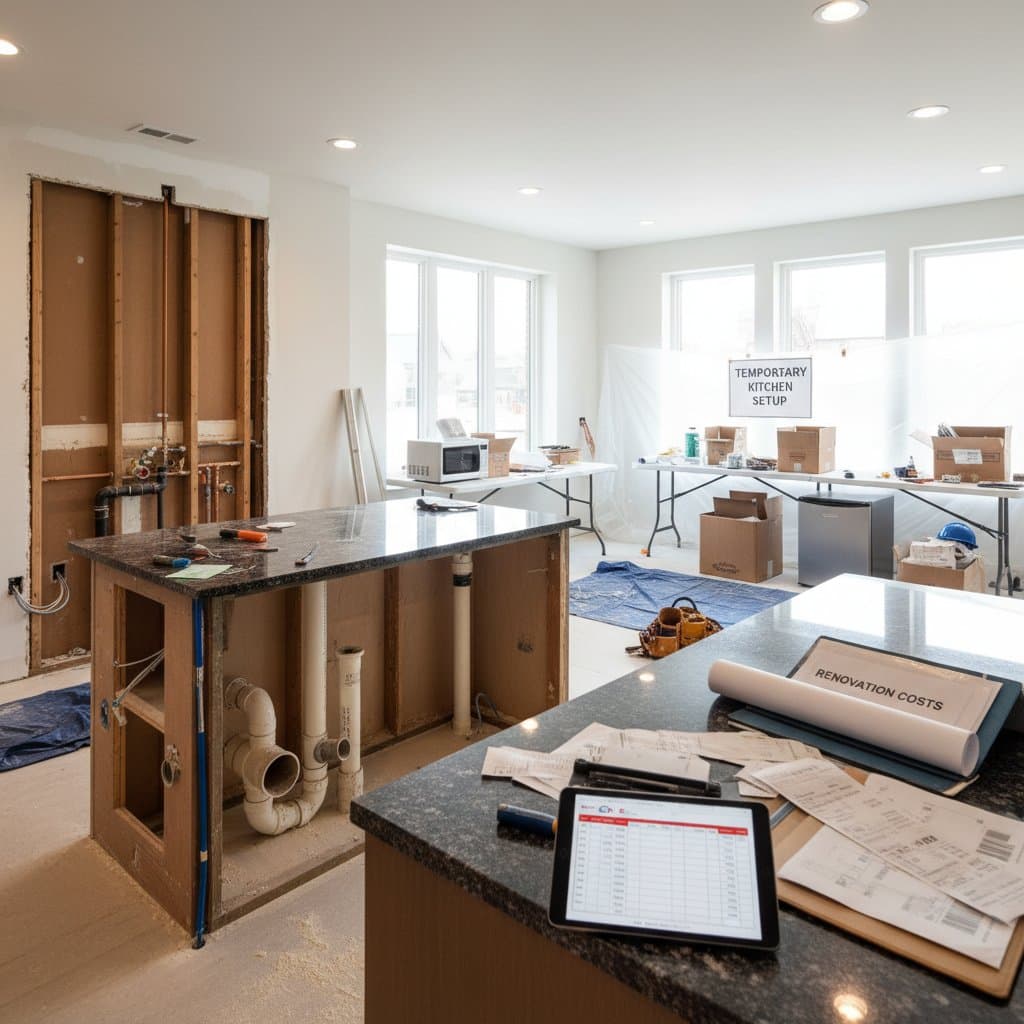
Demolition frequently reveals unexpected structural issues. Load-bearing beams, water damage, or obsolete framing demand immediate attention, with costs ranging from $3,000 to $8,000. Structural engineer Michael Tran of Pacific Renovation Consulting notes, "Every time you open a wall in an older home, expect to reinforce something. It is not a question of if but how much." Allocate a 15 percent contingency fund specifically for structural work to mitigate surprises.
2. Electrical Upgrades for Contemporary Appliances
Many older kitchens possess insufficient wiring for modern, energy-efficient appliances and LED lighting. Upgrading circuits, outlets, or electrical panels typically costs $1,200 to $4,000. Licensed electrician Carla Ruiz from BrightWire Systems highlights that homeowners often overlook code-mandated GFCI outlets near sinks and islands, which incur additional hundreds of dollars.
3. Plumbing Relocation and Pipe Upgrades
Relocating a sink, dishwasher, or gas range necessitates new plumbing lines or venting systems, priced at $800 to $2,500 per fixture. Even slight rerouting may require permits and inspections. To minimize expenses, adhere closely to the existing layout unless significant efficiency improvements warrant the investment.
4. Permit and Inspection Fees
Building permits differ by location but generally account for 2 to 5 percent of the total budget. Fees for electrical, plumbing, and structural inspections can accumulate to $1,000 or more. Consult the local building department prior to commencing demolition to prevent delays and fines that surpass permit expenses.
5. Disposal and Debris Removal
Contractors seldom incorporate comprehensive disposal in their standard bids. Expenses for dumpster rentals, haul-away services, and landfill fees range from $500 to $1,000. Verify if the contractor manages waste removal or if a separate provider is necessary. Plan for several dumpster loads rather than relying on a single one.
6. Temporary Kitchen Arrangements
With the main kitchen unavailable for weeks, reliance on eating out or a makeshift setup becomes essential. Portable cooktops, mini-fridges, and frequent takeout can contribute $600 to $1,500 to overall costs. Establish a simple temporary kitchen in a garage or utility space to curb these expenditures.
7. Cabinet Installation Modifications
Custom or semi-custom cabinets may need on-site alterations due to uneven or misaligned walls. Labor for such adjustments adds $500 to $2,000. Cabinet installer James Holloway of Precision Fit Carpentry explains, "Even a one-inch deviation in wall alignment can cascade into multiple adjustments. Precision takes time, and time is money."
8. Countertop Fabrication and Finishing Details
Initial countertop quotes typically omit sink cutouts, edge treatments, and backsplash integrations. These additions can raise material and labor costs by 15 percent. Materials like quartz and natural stone demand exact fabrication, where errors prove costly. Examine each detail in the countertop proposal before approval.
9. Flooring Transitions and Subfloor Leveling
Disparities in height between new kitchen flooring and adjacent rooms require transition strips or subfloor corrections. Leveling compounds or underlayment expenses fall between $400 and $1,200. Assess elevation differences during the planning stage to prevent inconsistencies.
10. Appliance Delivery and Hookup Charges
Appliance retailers commonly impose distinct fees for delivery and installation, separate from the purchase price. Connections for hookups, gas lines, or venting add $300 to $800. Clarify included services at the point of sale and incorporate remaining costs into the installation allocation.
11. Lighting Design and Fixture Expenses
Homeowners tend to undervalue the intricacies of lighting plans. Emphasis on visual appeal often ignores wiring demands and fixture prices. A comprehensive scheme featuring recessed, task, and accent lighting incurs $1,000 to $3,000. Opt for standard, energy-efficient fixtures to control spending.
12. Painting and Surface Repairs
Following cabinet and trim installation, walls require patching and repainting. Supplies and professional labor range from $400 to $1,500. Integrate this into the finishing budget as a core element, not a minor afterthought.
13. Hardware, Accessories, and Finishing Elements
Items such as knobs, pulls, drawer dividers, and shelf supports accumulate to $300 to $1,000. These selections multiply across cabinets, escalating rapidly. Select and price hardware during early design to avoid unexpected charges.
14. Change Orders and Mid-Project Alterations
Modifications after construction commences result in change orders with a 10 to 20 percent surcharge for rescheduling labor and restocking materials. Finalize designs prior to ordering. Record all alterations in written agreements to resolve potential conflicts.
15. Post-Construction Cleaning and Sealing
Professional cleaning after completion costs $200 to $600, while sealing stone surfaces or grout adds $100 to $300. Although tempting to omit for savings, this process preserves finishes and ensures usability. Overlooking it may reduce the durability of installed materials.
Assessing Total Budget Impacts
Aggregating these hidden costs leads to an average overrun of 20 to 30 percent for homeowners. On a $45,000 mid-range remodel, this translates to $9,000 to $13,500 in additional spending. Develop a comprehensive budget spreadsheet with dedicated contingency lines for each category to provide robust protection.
Value engineering offers a practical approach to optimization. This method evaluates design choices for cost-effectiveness while upholding functionality. For example, opting for resilient laminate countertops instead of quartz saves $2,000 without sacrificing practicality. Collaborate with seasoned contractors or managers for transparent guidance on these decisions.
Securing Expert Guidance for Success
Engaging qualified professionals facilitates the identification of potential budget threats early. Certified kitchen designers or project managers charge 10 to 15 percent of the project total, yet their foresight averts substantial losses. Request references, confirm credentials, and examine recent portfolios.
Obtain detailed, itemized bids from a minimum of three contractors for precise estimates. The lowest quote may not deliver the best value if it excludes essentials like debris handling or permits. Scrutinize contracts thoroughly prior to commitment. Contractor Emily Rhodes of ClearPath Remodeling emphasizes, "Transparency is not optional in renovation work. If a quote feels vague, it probably hides future costs."
Protecting Your Renovation Long-Term
To maximize the longevity of your kitchen investment, implement routine maintenance from the outset. Schedule annual inspections for appliances and plumbing to catch issues early. Clean surfaces with appropriate products to prevent wear, and address minor repairs promptly. These habits extend the life of your remodel, ensuring sustained value and enjoyment for years ahead.