Why Cabinet Refacing Outperforms Full Replacement in 2026
Imagine sitting in your kitchen with a cup of coffee, gazing at cabinets that open smoothly yet show signs of wear. The wood finish appears dull, and the design feels outdated. While a complete overhaul tempts, the associated expense often discourages action.
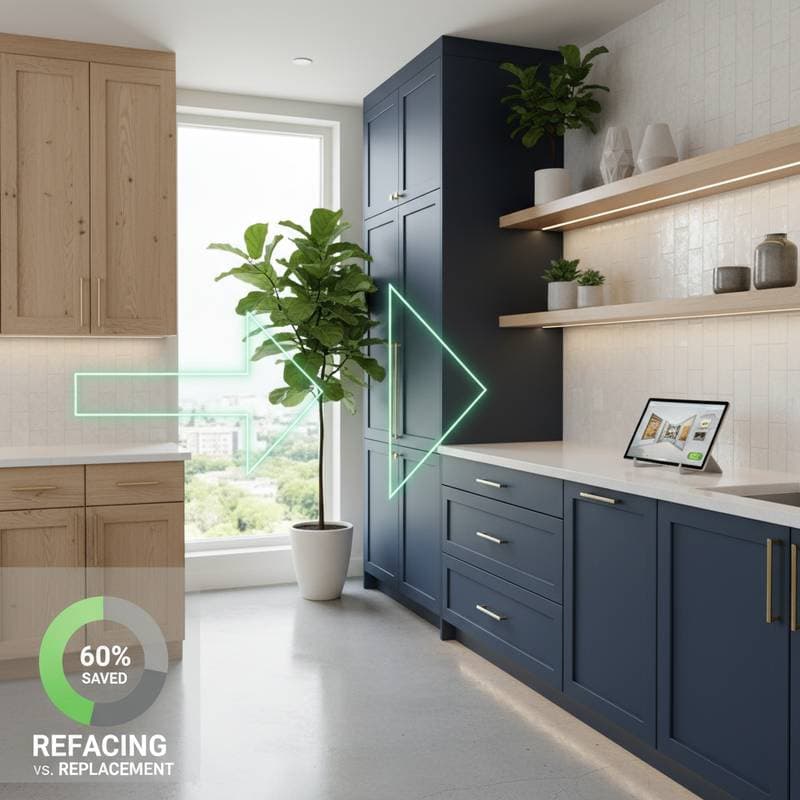
Home improvement studies indicate that comprehensive kitchen renovations range from $15,000 to $60,000, based on kitchen size and selected materials. Cabinets typically account for 30 to 40 percent of this budget. Homeowners find refacing appealing because it achieves a similar aesthetic upgrade at a much lower price point.
Refacing extends beyond a temporary solution. It represents a smart financial choice that integrates visual appeal, environmental responsibility, and functionality. The following sections explore the advantages of refacing over replacement and provide guidance to implement it effectively in your home.
Cost Comparison: Identifying Key Savings
Cost management stands as the primary advantage of refacing. Full replacement involves demolition, installation of new units, and potential modifications to plumbing or electrical components. Refacing targets only the visible surfaces and hardware, which substantially lowers labor and material expenses.
- Average cost for refacing: $5,000 to $12,000 for a medium-sized kitchen
- Average cost for full replacement: $15,000 to $50,000 for a comparable area and design
These savings enable purchases such as durable countertops, energy-efficient appliances, or even a relaxing getaway.
Mara Jennings, financial consultant at HomeValue Insights, stated, "From a budget standpoint, refacing provides one of the best returns on investment among home improvement projects. It delivers up to 70 percent of a full remodels visual effect for under half the cost."
Environmental Benefits: Reducing Waste While Enhancing Appeal
Removing old cabinets during replacement sends significant amounts of material to landfills. Refacing retains the existing cabinet frames, minimizing waste generation. Modern refacing options incorporate sustainable adhesives and finishes with low volatile organic compounds, benefiting both finances and the environment.
Lila Ortiz, sustainability consultant with EcoBuild Collective, noted, "Preserving the cabinet framework ranks among the most impactful methods to decrease the ecological impact of kitchen renovations. This approach reuses viable materials instead of discarding them."
For individuals committed to eco-friendly practices who desire a stylish kitchen, refacing balances ethics with enjoyment.
Situations Where Replacement Proves Necessary
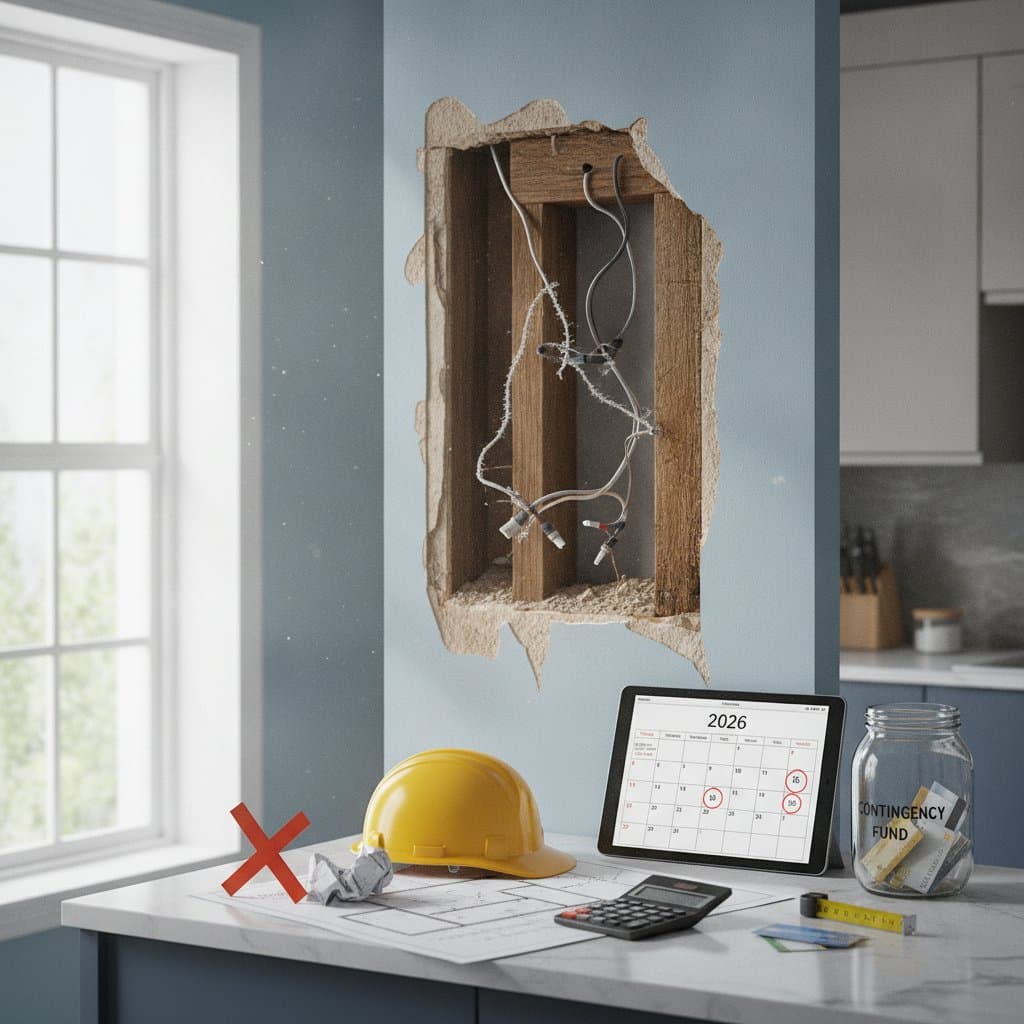
Refacing does not suit every scenario. Structural problems such as warping, water damage, or weakened frames require full replacement. Applying new surfaces to compromised cabinets resembles covering cracks with paint; the core issues persist.
Significant layout changes, like relocating the sink or expanding storage, also favor new cabinetry. Refacing excels when the current setup performs adequately and the boxes remain sound.
Schedule a professional assessment to determine suitability. Reputable refacing experts offer complimentary evaluations and provide candid recommendations on structural viability.
Boosting Resale Value Through Strategic Updates
Refacing enhances property value effectively. Real estate professionals observe that renovated kitchens rank high on buyer priorities, with cabinetry influencing first impressions.
Updated cabinets create a polished, contemporary atmosphere that elevates the homes overall perception. The modest investment translates to favorable value appreciation.
Heather Sloan, realtor with Modern Nest Realty, commented, "Buyers seldom inquire about refacing versus replacement. They focus on a tidy, up-to-date kitchen that appears meticulously maintained."
Steps to Implement Cabinet Refacing
Consider refacing for a luxurious kitchen refresh within budget constraints. This method shortens project timelines, confines disruption, and modernizes the space without excessive spending.
Start by inspecting your cabinets for sturdiness. If they hold up well, proceed with refacing to maximize value. Allocate the resulting savings toward practical improvements, such as installing LED lighting or organizing drawers for better accessibility.
Consult local specialists to explore materials like laminate, wood veneer, or thermofoil. Select finishes that complement your countertops and flooring for a unified look. With proper planning, refacing transforms functionality and aesthetics seamlessly.