
The True Costs of a 2026 Open Concept Kitchen Remodel
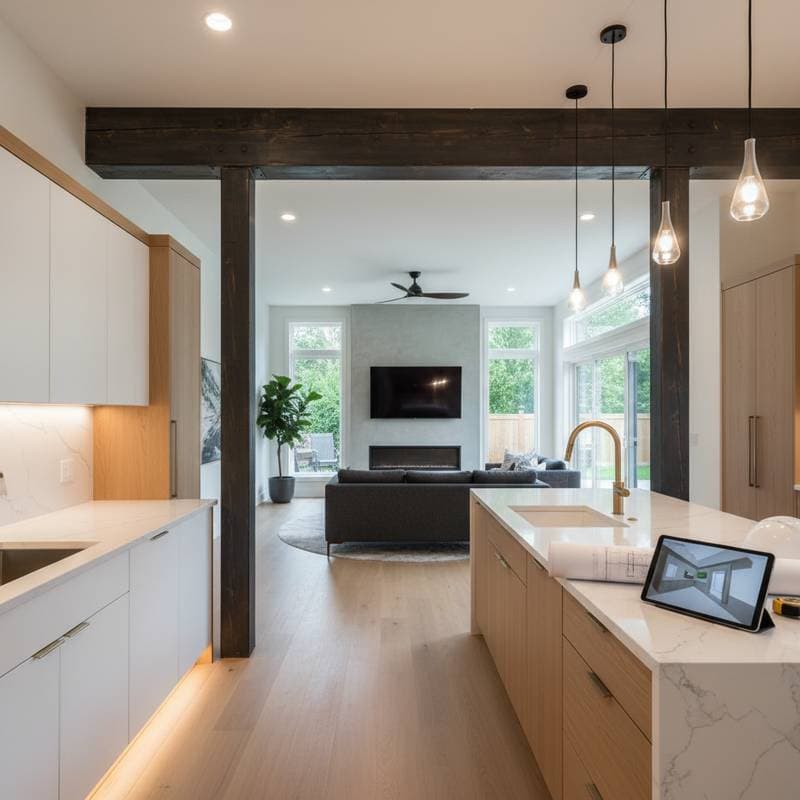
Imagine sunlight streaming through expansive windows, with fluid transitions between kitchen, dining, and living areas that foster connection and enhance daily life. The open concept kitchen appeals to homeowners seeking spacious, modern designs. However, achieving this vision requires more than simple demolition; it involves precise planning, skilled labor, and a clear grasp of expenses.
For those planning an open concept kitchen remodel, understanding these costs builds confidence in decision-making. Structural alterations, material selections, and fixture installations all impact the budget and functionality. This article examines the key components to help you navigate the process effectively.
Essential Factors Influencing Your Remodel Budget
Each open concept project presents distinct challenges, yet certain elements reliably drive expenses. Consider these factors thoroughly when establishing your financial plan.
1. Wall Removal and Structural Modifications
The primary expense distinguishing an open concept remodel from a traditional one lies in wall removal.
- Non-load-bearing walls involve straightforward demolition, debris disposal, and surface finishing, typically ranging from $2,000 to $5,000.
- Load-bearing walls demand engineering assessments for load redistribution, followed by installation of steel I-beams or laminated veneer lumber supports. Costs for these can escalate to $10,000 or more, depending on the wall's length and building requirements.
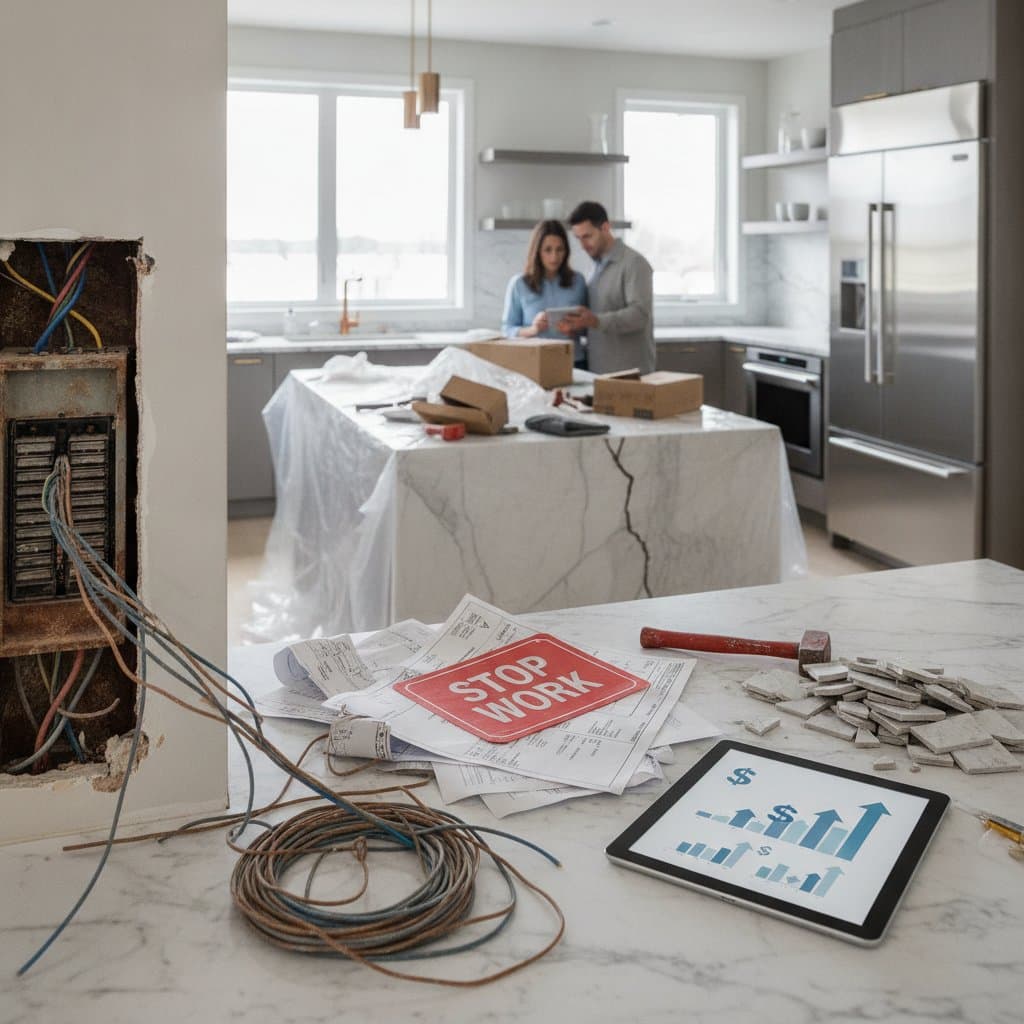
In older homes, discoveries such as obsolete electrical systems or asbestos-containing materials may necessitate abatement, increasing both timeline and budget. Allocate a contingency of 10 to 15 percent to address such revelations.
2. Electrical and Plumbing Relocations
Demolishing walls exposes embedded wiring and piping, requiring professional reconfiguration. Electricians must reposition outlets, switches, and fixtures to suit the new layout.
- Electrical modifications generally cost $1,500 to $4,000, covering code-compliant updates like GFCI outlets in wet areas.
- Plumbing adjustments prove costlier, often $3,000 to $8,000, particularly if lines must traverse subfloors for island sinks or dishwashers.
Integrate these updates into your initial design phase to allow contractors to streamline efforts and minimize disruptions.
3. Achieving Seamless Flooring
Visual harmony in open spaces relies on continuous flooring that unites adjacent rooms. This frequently entails updating or restoring surfaces across the kitchen, dining, and living areas.
- Hardwood floors or luxury vinyl plank offer resilience and uniformity, with installation costs of $8 to $15 per square foot.
- Tile suits high-traffic cooking zones for its water resistance, though transitions to dissimilar materials may add $500 to $1,500 in labor.
Budget 15 to 20 percent of your total for flooring, especially if current installations show wear or inconsistency.
4. Redesigning Cabinetry for Open Layouts
Wall removal often eliminates traditional cabinet runs, prompting innovative storage solutions.
- Incorporate walk-in pantries or floor-to-ceiling units to compensate for lost space.
- Feature island bases with deep drawers, spice racks, and appliance garages for accessibility.
- Integrate open shelving for cookware display, blending utility with aesthetics.
Opt for custom cabinetry at $200 to $500 per linear foot for tailored fits, or select semi-custom options at $150 to $300 per linear foot to temper expenses while preserving quality.
5. Optimizing Lighting and Ventilation Systems
In wall-free environments, lighting delineates functional zones without visual barriers. Install recessed cans for general illumination, pendant fixtures above islands for focused tasks, and LED strips under cabinets for precision work.
Effective ventilation prevents odor diffusion; a powerful downdraft or island-mounted hood with 600 CFM capacity ensures air quality. Factor in $1,000 to $3,000 for electrical extensions and duct modifications.
6. Selecting Finishes and Fixtures
Surface materials define the remodel's character and durability. Quartz countertops provide low-maintenance elegance at $50 to $100 per square foot, while granite offers natural veining for similar pricing.
Budget-friendly alternatives like recycled glass or solid-surface options range from $20 to $50 per square foot. Pair these with brushed nickel faucets ($200 to $600) and undermount sinks ($300 to $800) for cohesive style. Prioritize enduring selections to avoid premature replacements.
7. Navigating Permits and Professional Services
Structural, electrical, and plumbing alterations require local permits, with fees averaging $500 to $2,000 depending on jurisdiction. Non-compliance risks fines or resale complications.
Engage architects for layout renderings ($1,000 to $5,000) and engineers for beam specifications ($500 to $2,000). These investments safeguard compliance and structural integrity.
Steps to Develop a Solid Budget Plan
A structured budget maintains project momentum and averts overruns. Follow these guidelines to proceed methodically:
- Identify core priorities, such as expansive sightlines, premium appliances, or luxurious surfaces.
- Solicit bids from at least three licensed contractors, evaluating not just costs but portfolios of similar open concept projects.
- Account for indirect expenses, including temporary kitchen rentals ($500 to $1,500 monthly) and design software tools.
- Reserve funds for discoveries, as inspections often uncover issues like mold or foundation adjustments.
- Focus on longevity; invest in moisture-resistant materials to extend the remodel's lifespan.
Strategies to Control Costs While Preserving Quality
Remodel expenses accumulate swiftly, but targeted approaches curb them effectively:
- Retain existing plumbing locations to avoid invasive rerouting; adapt your design around current fixtures.
- Refinish solid cabinets with gel staining or hardware swaps, saving 50 to 70 percent over full replacements.
- Blend high-end quartz on perimeter counters with economical butcher block islands for varied texture at reduced cost.
- Source deals on overstock tiles, discounted appliances from builder showrooms, or online remnant programs.
- Tackle non-structural tasks like wall painting or simple shelving assembly, but delegate engineering to certified experts.
Maximizing Enjoyment in Your Open Concept Kitchen
Once complete, an open kitchen enhances home life through thoughtful maintenance and usage.
- Maintain tidiness with designated zones; use drawer dividers for utensils and wall-mounted racks for pots.
- Select a neutral color scheme with accents that span rooms, promoting serenity and expansiveness.
- Employ dimmable LEDs to shift from high-intensity prep lighting to ambient glows for social hours.
- Schedule annual deep cleans, including hood filter replacements and sealant reapplications, to sustain vibrancy.
Investing in these practices ensures your space remains a joyful hub for years ahead.