Uncovering Hidden Costs in Your 2026 Renovation Budget
Homeowners often envision a straightforward refresh: updated kitchens, fresh flooring, or expanded living spaces that enhance daily life. However, renovations frequently exceed initial estimates due to unforeseen expenses that accumulate silently. These costs rarely stem from luxury choices but from overlooked details that demand attention during planning.
A typical bathroom update, for instance, may begin with simple tiling but reveal deeper issues such as plumbing adjustments or structural reinforcements. To prevent budget overruns, identify potential traps early and allocate resources wisely. The following sections outline key areas where expenses hide and provide strategies to address them effectively.
Structural Surprises During Demolition
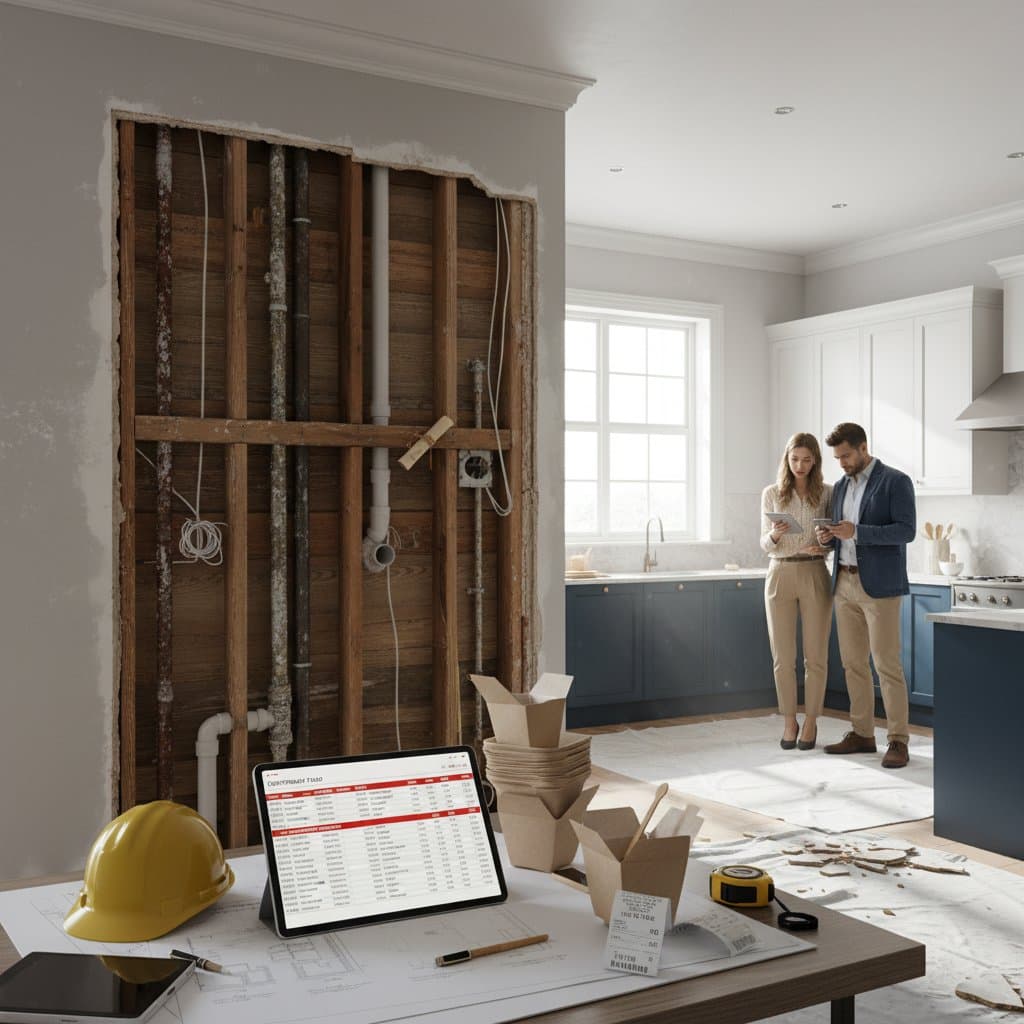
Demolishing walls or floors exposes a home's hidden vulnerabilities, including moisture damage, weakened beams, or outdated electrical systems. Professionals refer to these as unforeseen conditions, which require immediate resolution to ensure safety and compliance.
Properties built before modern standards pose higher risks. Allocate at least 10 percent of your total budget as a contingency fund specifically for such discoveries. For example, a routine kitchen remodel might uncover termite damage necessitating floor joist replacements, extending timelines and costs by thousands.
To mitigate this, conduct a pre-renovation inspection by a structural engineer. This step identifies issues upfront, allowing for accurate quoting and reducing the likelihood of mid-project halts.
Navigating Permits and Regulatory Fees
Administrative requirements form a non-negotiable part of most renovations. Building permits, planning approvals, and inspection charges apply even to modest alterations like relocating a partition or installing new outlets.
Bypassing these steps may seem efficient initially, but consequences include fines, forced reversals, or complications during property sales. One case involved homeowners retroactively obtaining approvals for an unauthorized extension, incurring legal fees that surpassed original permit costs.
Research local regulations through your municipal office before starting. Engage a permitting specialist if the project involves complex changes, such as roof alterations or electrical upgrades, to streamline the process and avoid delays.
Managing Labor Costs and Schedule Delays
Contractor estimates assume ideal scenarios, yet real-world factors like supply chain disruptions, worker absences, or seasonal weather often extend durations. Prolonged timelines increase labor expenses, as tradespeople charge for idle periods or overtime.
A three-week delay in securing a specialist, such as a tiler, can cascade into broader project stalls, requiring additional payments to retain other crew members. In one scenario, an electrician waited on-site, adding hundreds to the bill.
Build buffer time into your schedule, aiming for 20 percent extra beyond the quoted duration. Select contractors with proven track records in coordination, and include penalty clauses in contracts for delays beyond their control.
Accounting for Material Fluctuations and Add-Ons
Prices for essentials like lumber, tiles, and fixtures vary due to market conditions, and selections often evolve from basic to enhanced options. Seemingly minor items, such as adhesives, trims, or custom fittings, accumulate significant charges.
Delivery fees and on-site storage represent additional overlooked expenses. A large quartz slab, for example, may require specialized hauling and multiple installers, inflating costs beyond the base price.
Source materials from multiple suppliers to compare totals, including transport. Opt for bulk purchases where possible, and confirm all specifications in writing to prevent upgrades that exceed your vision.
Accumulating Expenses from Minor Details
Subtle decisions compound over a project. Choices like energy-efficient fixtures, custom cabinet pulls, or upgraded door hardware appear insignificant individually but total hundreds across rooms.
Waste management adds another layer: debris from demolition and packaging fills containers rapidly, prompting extra hires or rentals. Unplanned rubbish removal can double initial estimates.
Create a detailed checklist of all finishes and accessories before purchasing. For waste, partner with a service that offers fixed-rate collections based on project volume, and recycle where feasible to cut fees.
Expenses of Daily Life During Disruption
Renovations disrupt routines, leading to unbudgeted outlays for alternative living arrangements. Kitchen or bath outages mean reliance on external meals, dry cleaning, or hotel stays, which escalate quickly.
Even on-site living incurs costs for dust control, temporary utilities, and worker amenities like refreshments. A family managing with portable appliances for weeks may spend substantially on convenience foods.
Estimate these impacts by mapping your project's phases against household needs. Budget 5 to 10 percent for lifestyle adjustments, and explore options like phased work to minimize downtime.
Addressing Decision Overload and Its Financial Impact
Projects demand countless choices on designs, materials, and timelines, fostering fatigue that prompts errors. A hasty selection of fixtures might result in ordering pricier variants than intended.
This mental strain often leads to compromises that inflate budgets later, such as expedited deliveries to correct mistakes. Suppliers may charge restocking fees for returns.
Schedule decisions in batches, consulting mood boards or samples in advance. Involve a design professional for high-stakes elements to ensure choices align with both aesthetics and finances.
Strategies to Safeguard Your Budget
Transparency underpins successful budgeting. Demand detailed breakdowns from all vendors, clarifying ambiguous line items like general supplies.
Tie payments to verifiable progress, such as completion of framing or inspections, rather than loose deadlines. Maintain a dedicated emergency reserve, equivalent to 5 percent of the budget, reserved for critical fixes like unforeseen wiring updates.
Track expenditures weekly using simple spreadsheets, categorizing by type to spot trends early. Consult with a financial advisor familiar with construction for personalized oversight.
Realizing the Value of Your Investment
With planning, renovations yield lasting enhancements without financial strain. The final space offers functionality and joy, transforming initial challenges into worthwhile achievements.
Reflect on lessons from past projects to refine future approaches. Consider sharing experiences in community forums to guide others through their journeys, fostering collective wisdom in home improvement.