2026 Kitchen Remodel Traps: Hidden Costs Revealed
Recent data from major home design platforms indicates that kitchen remodels rank among the most popular projects, with homeowners frequently saving and sharing ideas online. These projects feature glossy marble counters, seamless cabinetry, and integrated appliances that create an effortless appearance. However, behind the polished surfaces lies a complex array of costs that surprise even seasoned planners. This guide identifies key areas where expenses emerge, explains how to foresee them, and outlines priorities to maintain your budget while achieving a functional design.
The author draws from a personal experience renovating a compact townhouse kitchen, where unexpected plumbing complications doubled the projected expenses. That lesson informs every design recommendation, emphasizing vigilance for elements concealed within walls and floors.
Structural Surprises
Foundational issues often surface during demolition, transforming a straightforward remodel into a major undertaking. Uneven floors, outdated load-bearing walls, or hidden water damage demand reinforcements that inflate costs beyond initial quotes. For instance, a Seattle residence required subfloor leveling and joist repairs after inspectors discovered rot from past leaks, adding thousands to the budget.
Homeowners benefit from conducting a pre-remodel inspection by a structural engineer, which costs a few hundred dollars but prevents larger outlays. Allocate at least 10 percent of your total budget for unforeseen fixes, and insist on detailed site assessments before signing contracts. These steps ensure stability without derailing financial plans.
Cabinet Complexity
Custom cabinetry forms the core of a kitchen's functionality and aesthetic, yet its intricacies drive up expenses rapidly. Projects involving rift-cut white oak with soft-close brass hinges, as seen in an Austin collaboration with Havenwood Design Studio, demand precise adjustments for irregular walls and integrated storage solutions. The natural grain patterns enhance warmth against quartz surfaces, but each modification increases labor and materials.
Such alterations can elevate cabinetry expenses by up to 50 percent over estimates. To manage this, select semi-custom options that offer personalization at a lower premium, and build in a contingency for on-site tweaks. Prioritize durable hardware and efficient layouts to balance quality with affordability, ensuring the space serves daily needs effectively.
Countertop Conundrums
Selecting countertops involves more than surface appeal; fabrication and installation reveal hidden labor demands. Materials like quartz or granite require templating, cutting, and sealing, with edges and cutouts for sinks adding complexity. A Miami project highlighted how oversized islands necessitated reinforced supports and custom seams, extending timelines and costs.
These elements can double material fees if not planned meticulously. Measure spaces accurately early on, and compare supplier quotes for fabrication details. Opt for prefabricated sections where possible to reduce custom work, preserving both budget and design integrity.
Appliance Integration
Contemporary kitchens integrate appliances as built-in features, necessitating custom panels and specialized systems that expand budgets subtly. In a Chicago brownstone redesigned by Ella Rowe Interiors, a full refrigerator blended behind paint-matched cabinetry, complemented by a panel-ready dishwasher for uninterrupted lines. This approach achieved seamless elegance but involved extra carpentry, electrical modifications, and venting.
The advantages include enhanced energy efficiency and reduced noise, improving usability over time. Request comprehensive cost breakdowns from vendors, covering installation and utilities. Evaluate appliance sizes against cabinet dimensions during planning to avoid retrofits, aligning form with fiscal responsibility.
Electrical and Lighting Layers
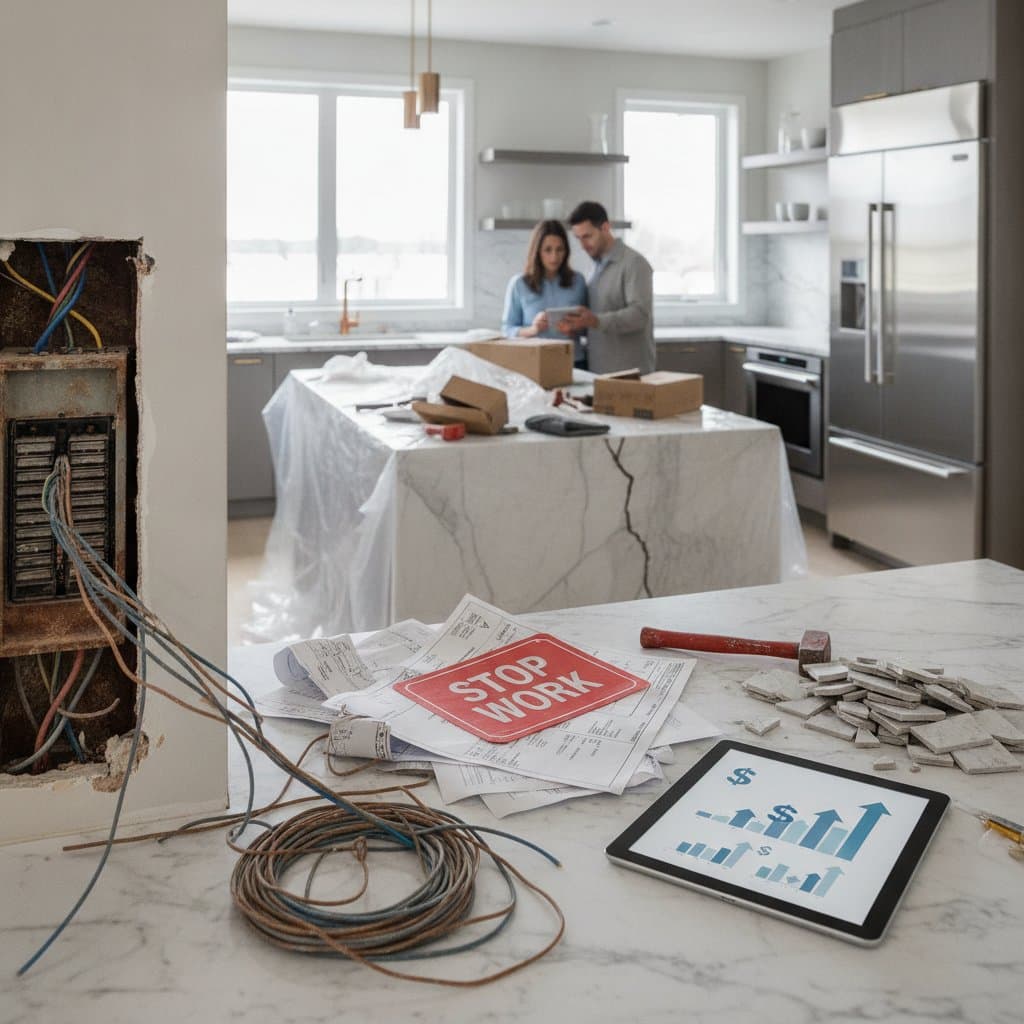
Upgrading electrical systems and lighting schemes supports modern conveniences but uncovers wiring deficiencies and code requirements. Recessed lights, under-cabinet illumination, or smart outlets demand new circuits and panels, especially in older homes. A Denver remodel exposed inadequate service capacity, requiring a full panel upgrade to accommodate induction ranges and charging stations.
These upgrades safeguard against hazards while enabling future-proofing. Engage a licensed electrician for an early audit, budgeting 15 percent for electrical work. Layer lighting with task, ambient, and accent options strategically to optimize functionality without excess expenditure.
Plumbing and Venting
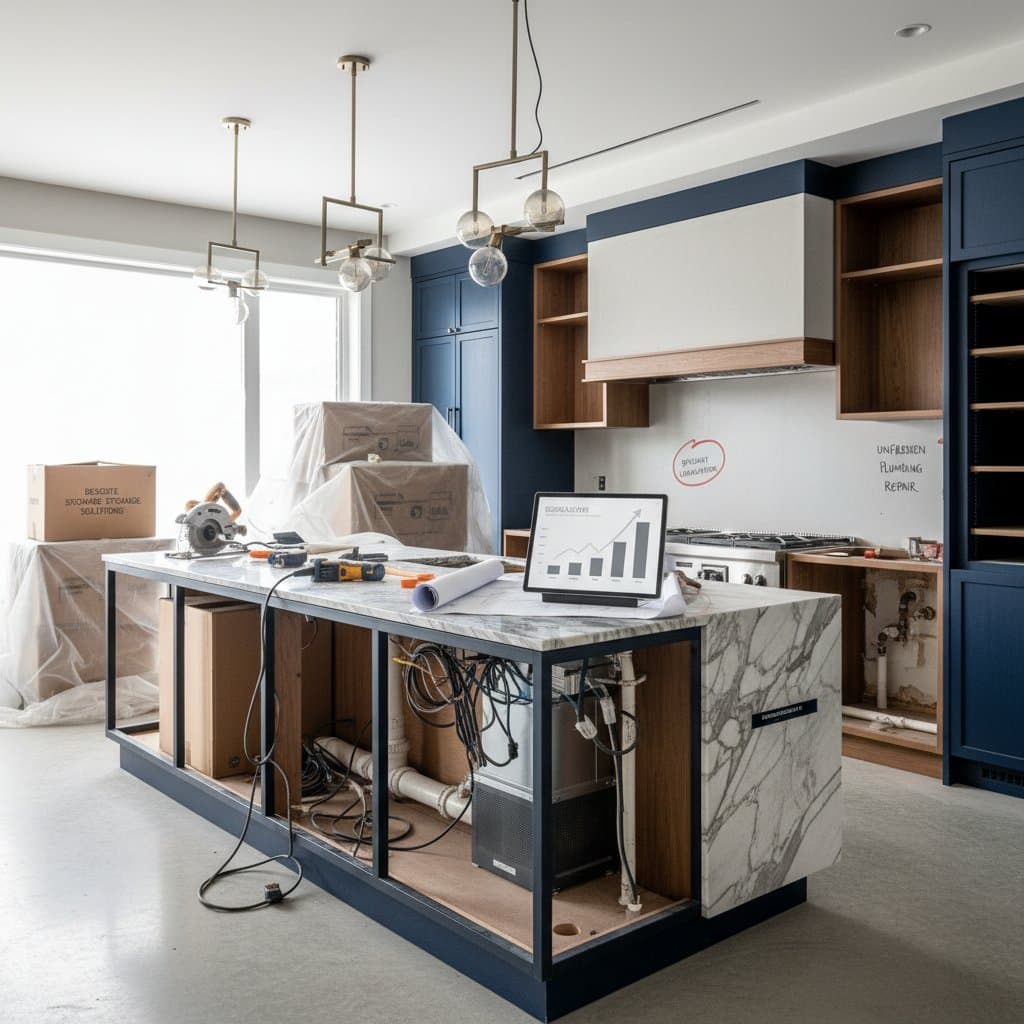
Stylish sinks, range hoods, and pot fillers rely on concealed plumbing and venting networks that seldom appear in inspirational images. Shifting a sink or installing a new fixture prompts rerouting of pipes and compliance verifications. In a New York City apartment handled by Benson & Co., relocating the sink two feet involved new copper lines and a stainless steel vent stack, facilitating better prep areas and views.
Such changes enhance workflow but accelerate spending. Map mechanical layouts with your contractor prior to design finalization, and verify local codes for venting paths. Anticipate permits and inspections to streamline the process, keeping disruptions minimal.
Finishing Touches
Details such as trim, hardware, and paint appear insignificant initially but accumulate through coordination efforts. Matching aged brass pulls with satin ivory finishes, as in a Portland bungalow by Cedar Lane Design, refines cabinet geometry and infuses warmth. These choices complete the vision yet introduce additional labor for sourcing and application.
Unexpected orders and installation days compound expenses. Develop a comprehensive product schedule at the outset, sourcing multiples in advance. This practice curbs impulse buys while allowing flexibility for refinements, ensuring a cohesive outcome.
Sustaining Your Kitchen Investment
After completion, a kitchen's value emerges in its daily performance and durability. Investments in structural integrity, updated systems, and resilient materials underpin long-term satisfaction and security. Reinforced foundations avert future repairs, robust wiring accommodates evolving needs, and thoughtful finishes withstand routine demands.
A thoughtfully budgeted remodel yields a space that integrates seamlessly into routines, rewarding foresight with enduring utility. Each element, from aligned cabinets to efficient appliances, reflects deliberate decisions that prioritize practicality alongside appeal.