Common Hidden Costs That Derail Remodel Budgets
Homeowners frequently envision a seamless remodel that enhances their living spaces. Initial plans appear straightforward, with designs that inspire and budgets that seem sufficient. However, as construction progresses, unforeseen expenses emerge, transforming enthusiasm into concern. These hidden costs affect countless projects, yet awareness and preparation can mitigate their impact.
By identifying typical sources of budget overruns, individuals gain the tools to anticipate challenges. This approach fosters informed decisions and maintains project momentum. Below, explore key areas where costs accumulate and discover practical measures to address them.
1. Structural Surprises Behind Walls
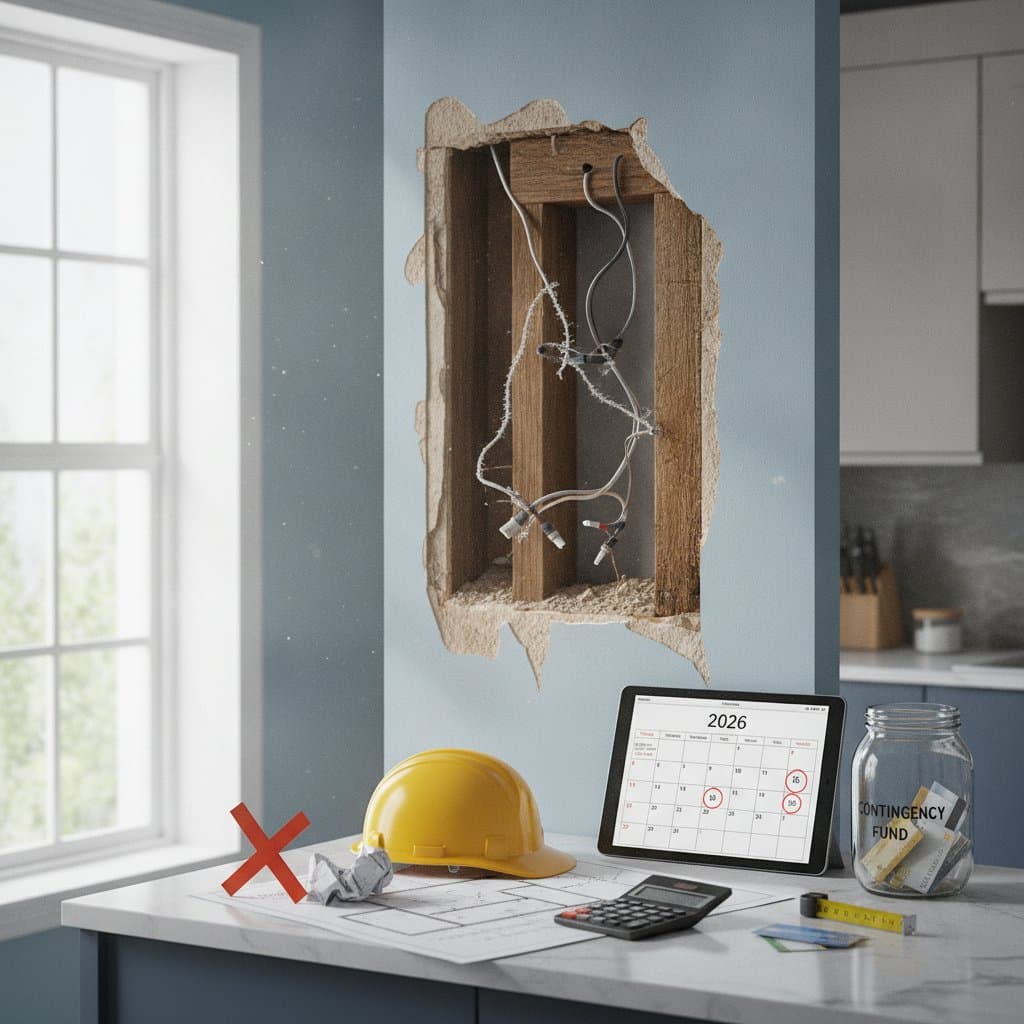
Demolishing walls to create open layouts often reveals issues invisible during initial walkthroughs. Cracked foundations, weakened beams, or termite damage demand immediate attention to ensure safety and code compliance. Such discoveries halt progress and require specialized engineers or reinforcements, escalating expenses beyond original estimates.
Proactive measure:
Conduct a thorough structural inspection before signing contracts. Hire a licensed engineer to assess load-bearing elements and identify potential weaknesses. This step provides a clear picture of necessary repairs, allowing for accurate budgeting and preventing mid-project disruptions.
2. Outdated Electrical and Plumbing Systems
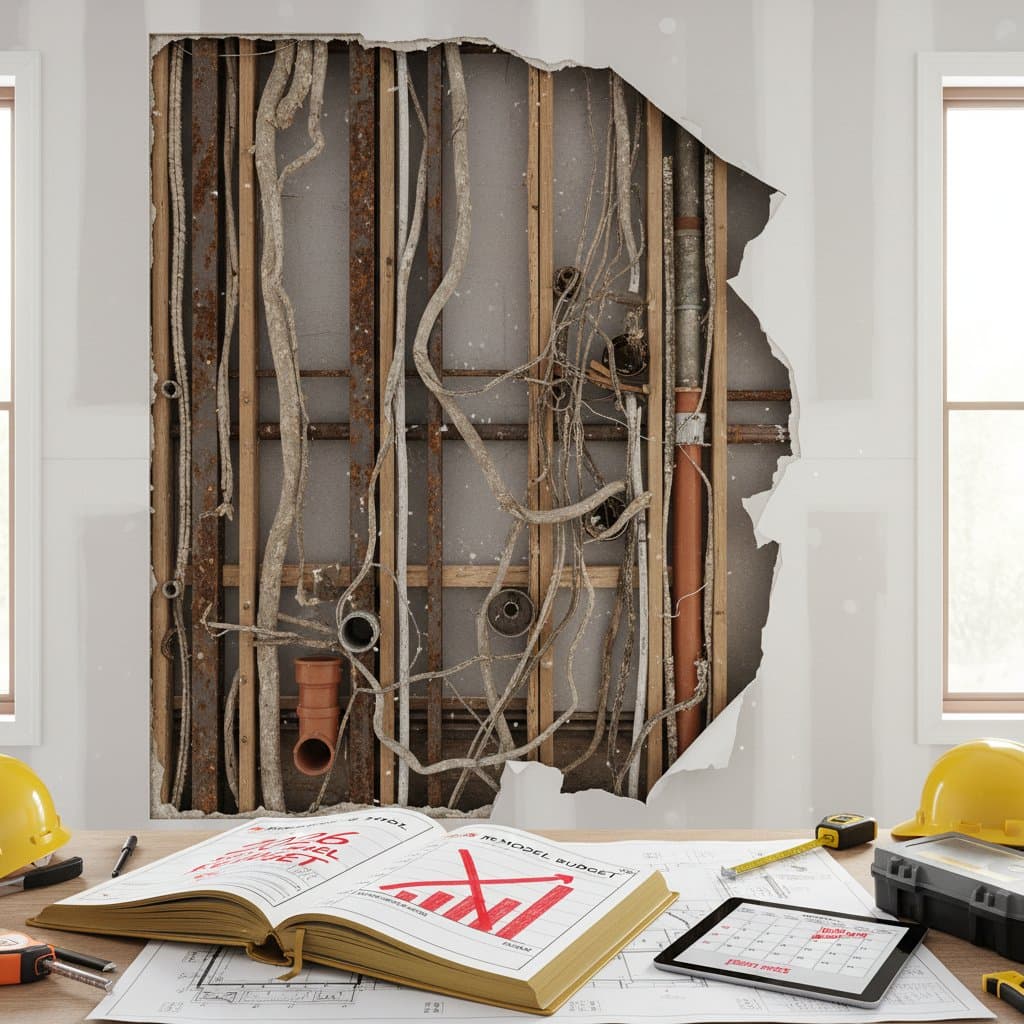
Many older residences feature infrastructure that fails to align with modern standards. A simple refresh might expose corroded wiring or inefficient pipes, necessitating comprehensive replacements. These upgrades, while vital for reliability and energy efficiency, introduce costs for materials, labor, and potential downtime.
Expert recommendation:
Request a system evaluation from your contractor at the outset. Obtain quotes for probable upgrades to integrate them into the initial financial plan. Early detection avoids rushed decisions and ensures compliance without compromising the timeline.
3. Permit Fees and Regulatory Hurdles
Local building codes vary widely, and obtaining permits involves fees that accumulate quickly. Structural alterations or system modifications trigger reviews by inspectors, delaying starts and adding administrative expenses. Non-compliance risks fines or rework, further inflating the total investment.
Strategic approach:
Consult municipal offices early to understand requirements and associated costs. Factor permit expenses into the budget line item, allocating 5 to 10 percent for unforeseen regulatory demands. This preparation streamlines approvals and keeps the project moving forward.
4. Temporary Living Expenses
Disruptions from construction, such as unavailable kitchens or bathrooms, force adaptations in daily routines. Increased reliance on external meals or short-term housing solutions mounts over time, particularly in multi-week projects involving families. These indirect costs often escape initial planning.
Practical solution:
Anticipate lifestyle shifts by designating a temporary functional area. Install essentials like a countertop stove and portable storage to minimize external spending. Phasing work to preserve key amenities reduces overall inconvenience and financial strain.
5. Material Delays and Price Fluctuations
Supply chain interruptions lead to postponed deliveries, extending timelines and incurring storage or labor fees. Volatile markets cause price hikes in essentials like lumber or fixtures, eroding budget margins. These external factors catch many off guard during extended builds.
Mitigation tactic:
Secure materials in advance through reliable suppliers and include buffer time in schedules. Monitor market trends and lock in prices where possible to shield against surges. Building a 15 percent contingency fund absorbs these variables effectively.
6. Design Changes Mid-Project
Evolving preferences during execution prompt alterations that cascade into additional work. Relocating outlets, selecting alternative finishes, or expanding scopes demands extra resources and coordination. Each modification disrupts efficiency and compounds expenses.
Prevention method:
Develop a comprehensive blueprint prior to commencement, incorporating all selections from tiles to hardware. Review with stakeholders to confirm alignment, and secure written approvals for any deviations. This discipline preserves fiscal boundaries.
7. Post-Construction Repairs and Cleanup
After primary work concludes, minor damages surface, such as scuffed floors or patched walls requiring touch-ups. Professional cleaning services address dust and debris, while warranties cover latent defects. Overlooking these phases leads to incomplete finishes and added outlays.
Forward-thinking step:
Allocate dedicated funds for final restorations and hire detail-oriented crews for cleanup. Schedule walkthroughs to document issues promptly, ensuring contractors address them under existing agreements. This closes the project neatly without supplemental costs.
8. Finishing Touches That Accumulate
The final stages involve elements like cabinet pulls, mirrors, and artwork that enhance aesthetics. Individually modest, these items collectively strain resources if not anticipated. Rushing selections often results in premium pricing or suboptimal choices.
Budgeting strategy:
Incorporate accessory costs from the planning phase, researching options to estimate totals accurately. Prioritize essentials and defer non-critical purchases to spread expenditures. Thoughtful curation elevates the space without exceeding limits.
9. Landscaping and Exterior Impacts
Construction activities compact soil, damage sod, and disrupt irrigation systems around the property. Restoring these areas post-completion involves reseeding, repaving, or replanting, which homeowners seldom budget for initially. Neglect here diminishes curb appeal and functionality.
Protective action:
Implement barriers like tarps and fencing to safeguard outdoor features during the build. Designate storage zones away from sensitive landscapes, and reserve funds for rejuvenation efforts. These steps maintain the home's overall integrity.
10. Contingency for Unforeseen Events
Despite meticulous preparation, variables like weather delays or supplier errors arise. Labor shortages or equipment failures extend durations, amplifying holding costs. A dedicated reserve proves invaluable in navigating these uncertainties.
Essential practice:
Establish a contingency allocation of 10 to 20 percent of the total budget. Track expenditures weekly against projections, adjusting as needed through contractor consultations. This flexibility ensures resilience throughout the endeavor.
Building a Resilient Remodel Plan
A successful remodel elevates daily life while preserving financial stability. Integrate these insights into your strategy to navigate challenges confidently. Open dialogue with professionals and diligent record-keeping transform potential pitfalls into manageable aspects.
Ultimately, preparation yields a space that reflects your vision without residual burdens. Embrace the journey with foresight, and the outcome rewards both aesthetically and practically.