Unveiling Hidden Wiring and Structural Costs in Kitchen Remodels
Envision a kitchen where functionality meets elegance: smooth countertops, efficient appliances, and ambient lighting that enhances every meal. However, the path to this vision often reveals unforeseen expenses that transform initial estimates into substantial investments. These hidden costs, particularly related to wiring and structural elements, demand careful planning to avoid budget overruns and project delays.
Personal experience highlights the importance of anticipation. A straightforward cabinet replacement can escalate when inspections reveal aged electrical systems or compromised floor supports. The following sections detail these concealed expenses and provide strategies to manage them effectively.
Essential Structural and Electrical Foundations
Electrical System Upgrades
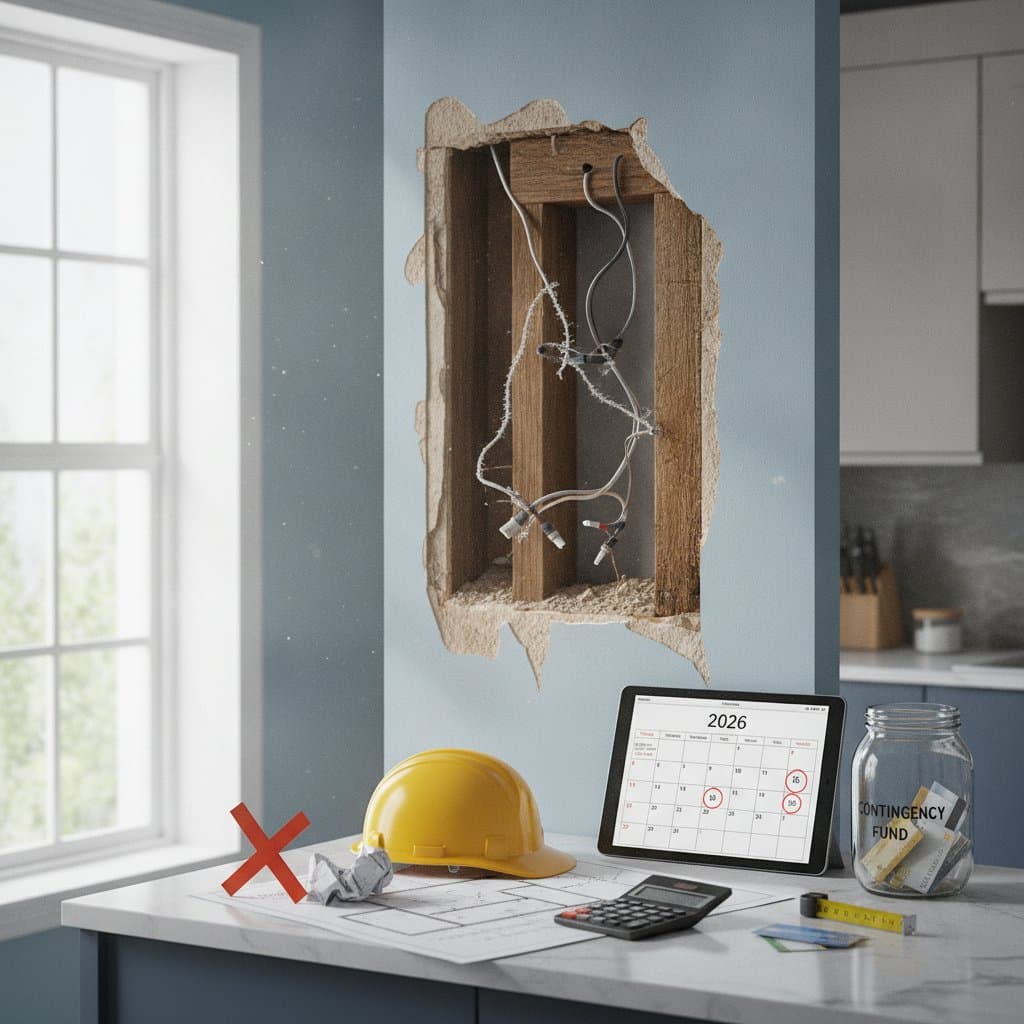
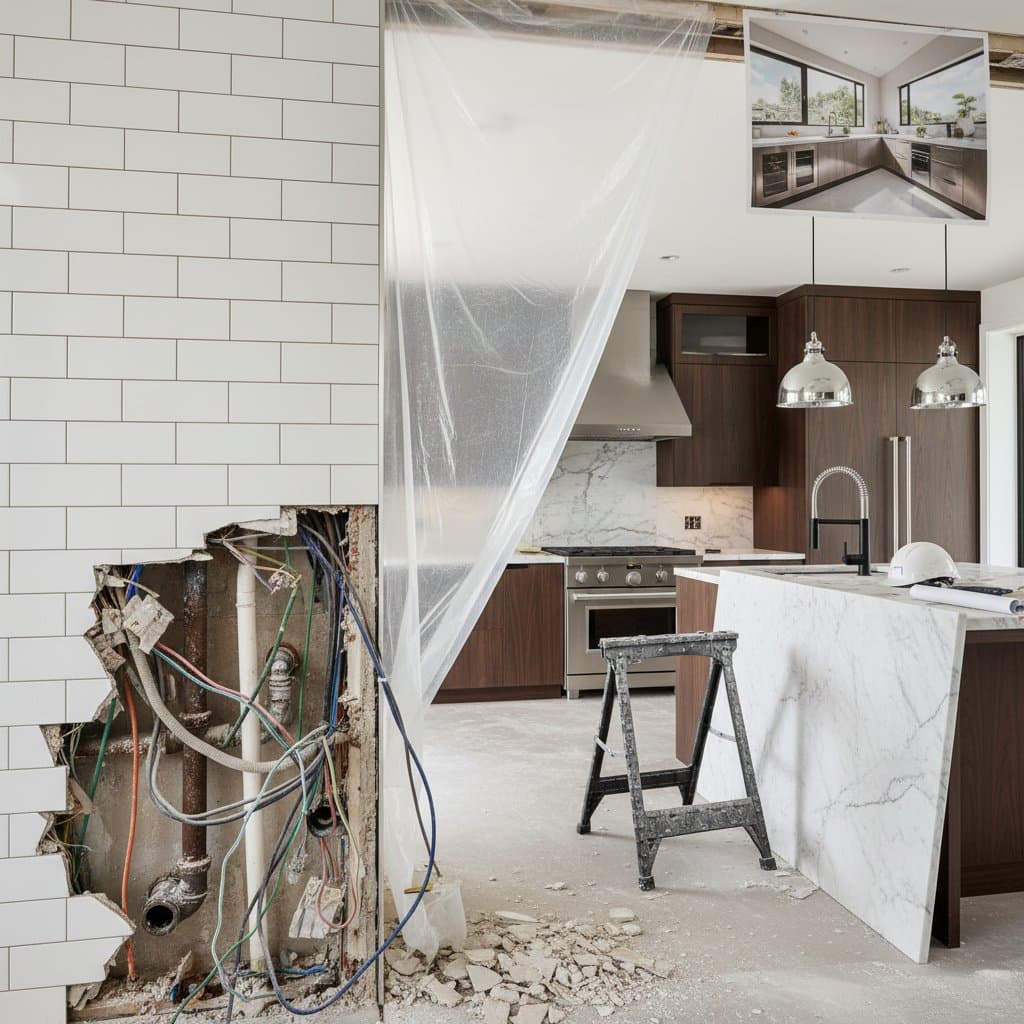
Many homes feature wiring installed decades ago, inadequate for contemporary kitchen demands. High-wattage appliances like ovens and refrigerators require dedicated circuits to prevent overloads and fire hazards. When professionals remove walls or cabinets, they frequently discover frayed insulation or insufficient capacity, necessitating full rewiring that can cost between $2,000 and $5,000 depending on the kitchen size.
To address this proactively, schedule an electrical inspection early in the planning phase. This step identifies issues before demolition begins, allowing for precise budgeting. Install ground-fault circuit interrupters (GFCIs) on all outlets near water sources and consider smart home integrations for future-proofing, ensuring safe and reliable power distribution.
Structural Integrity Challenges
Beneath cosmetic surfaces lie load-bearing elements that may require reinforcement. Older kitchens often have sagging joists or unstable subfloors from years of wear. Relocating a load-bearing wall to open up space might involve installing beams or columns, with expenses ranging from $1,500 to $4,000, including engineering assessments.
Consult a structural engineer during initial consultations to evaluate potential weaknesses. Opt for reinforced framing materials like steel LVL beams for durability. These measures not only comply with safety codes but also prevent future repairs, providing a solid base for your remodel.
Material and Design Expenses That Accumulate
Countertop and Surface Selections
Premium materials such as granite or quartz captivate with their durability and aesthetics, yet fabrication and installation drive up costs significantly. A standard 40-square-foot countertop might total $3,000 to $6,000, factoring in templating, edging, and sealing to resist stains and heat.
For cost efficiency, evaluate alternatives like recycled glass composites that offer similar resilience at 40 to 60 percent less expense. Measure your space accurately and compare supplier quotes to secure the best value without sacrificing quality.
Cabinetry and Hardware Investments
Standard cabinetry provides a foundation, but custom features like dovetail joints and integrated organizers elevate both form and function. Bespoke units can exceed $10,000 for a mid-sized kitchen, as they demand precise measurements and specialized craftsmanship.
Balance expenditures by selecting semi-custom options with modular bases and upgrading hardware incrementally. Focus on soft-close mechanisms for frequently used drawers to enhance usability, deferring aesthetic elements like custom panels until finances allow.
Managing Time, Disruption, and Operational Costs
Interim Living Arrangements
Kitchen renovations typically span four to eight weeks, far longer than anticipated, leading to reliance on alternative cooking solutions. Daily meals from delivery services or pre-packaged options can add $1,000 or more to the budget over the project duration.
Establish a provisional setup with a portable induction cooktop, mini-fridge, and folding table in an adjacent space. Stock non-perishables and plan simple recipes to reduce external spending, maintaining routine amid the upheaval.
Dust Control and Cleanup Measures
Construction generates pervasive fine particles that infiltrate every corner, complicating daily life and requiring extensive post-project remediation. Professional air filtration systems and daily vacuuming with HEPA filters help contain spread, while end-of-project deep cleaning services cost $300 to $800.
Implement plastic sheeting barriers and shoe covers for workers to limit dust migration. Schedule regular wipe-downs of adjacent areas to preserve household hygiene, ensuring a smoother transition back to normalcy.
Professional Services and Regulatory Requirements
Expert Design and Consultation
Engaging a certified kitchen designer streamlines layout optimization and material choices, potentially saving thousands through error avoidance. Hourly rates range from $100 to $200, with comprehensive plans costing $1,500 to $5,000.
Seek initial virtual consultations to refine concepts affordably. Review portfolios for experience with similar spaces, prioritizing designs that maximize natural light and workflow efficiency for long-term satisfaction.
Compliance with Building Codes
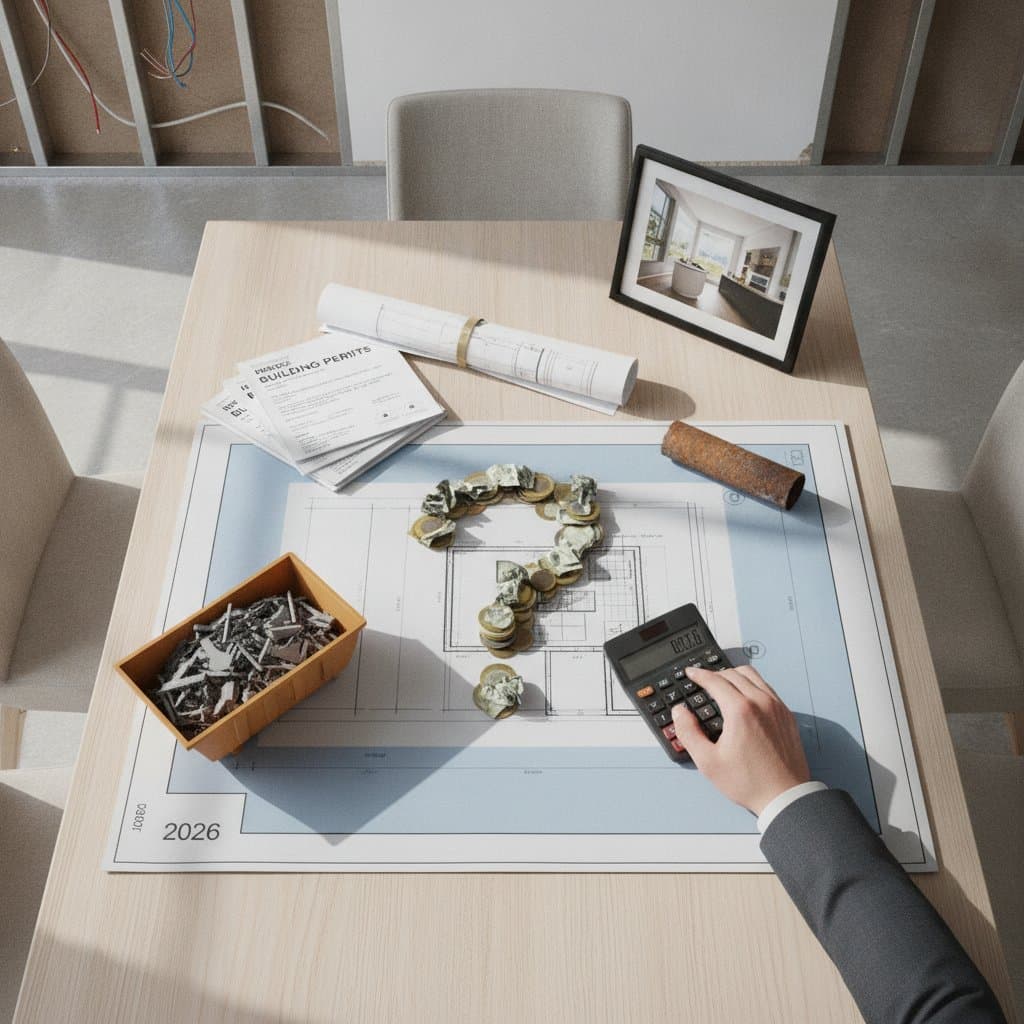
Structural alterations often trigger permit requirements, including inspections for electrical, plumbing, and ventilation compliance. Fees vary by locality but typically total $500 to $1,500, with delays possible if revisions are needed.
Research local regulations via municipal websites early and hire a permitting specialist if the project involves gas lines or window additions. Adherence ensures insurability and resale value, avoiding fines or rework.
Navigating the Human Element of Renovation
Projects disrupt routines, straining patience and relationships through constant noise and indecision. Allocate time for breaks to recharge, such as short outings during peak construction phases.
Document progress with photos to track achievements and maintain motivation. Communicate openly with contractors about timelines to set realistic expectations, fostering a collaborative environment.
Strategies for Budget Control and Prioritization
Compile itemized quotes from multiple contractors, incorporating a 15 to 20 percent contingency for variables like material price fluctuations. Track expenditures using digital tools that categorize costs for real-time oversight.
Identify core priorities, such as reliable appliances and ample storage, before luxury additions. Phase the project if necessary, completing essentials first to enjoy partial functionality while saving for enhancements.
Embracing the Completed Space
Upon completion, your kitchen evolves into a personalized hub that rewards the effort invested. Regular maintenance, like sealing grout annually, preserves its condition and extends enjoyment.
Reflect on lessons learned to inform future projects, and consider sharing insights in community forums. This exchange builds collective knowledge, turning individual challenges into shared successes.