
Navigating 2026 Remodeling Challenges: Essential Hidden Costs to Anticipate
Remodeling trends continue to dominate design discussions, with kitchen and bathroom updates leading searches on popular platforms. Homeowners seek to revitalize their living spaces, but unforeseen expenses frequently lead to budget shortfalls. The promise of a refreshed home excites, yet elements concealed within structures often transform enthusiasm into frustration.
This resource examines prevalent overlooked costs in remodeling, drawing from experiences shared by designers and contractors. Readers gain actionable guidance, design illustrations, and methods to safeguard finances while maintaining aesthetic and practical goals. As someone who resides in a mid-century residence and favors vintage elements, the author understands how minor decisions escalate during renovations. These lessons apply whether updating an urban apartment or a rural kitchen.
1. Structural Surprises
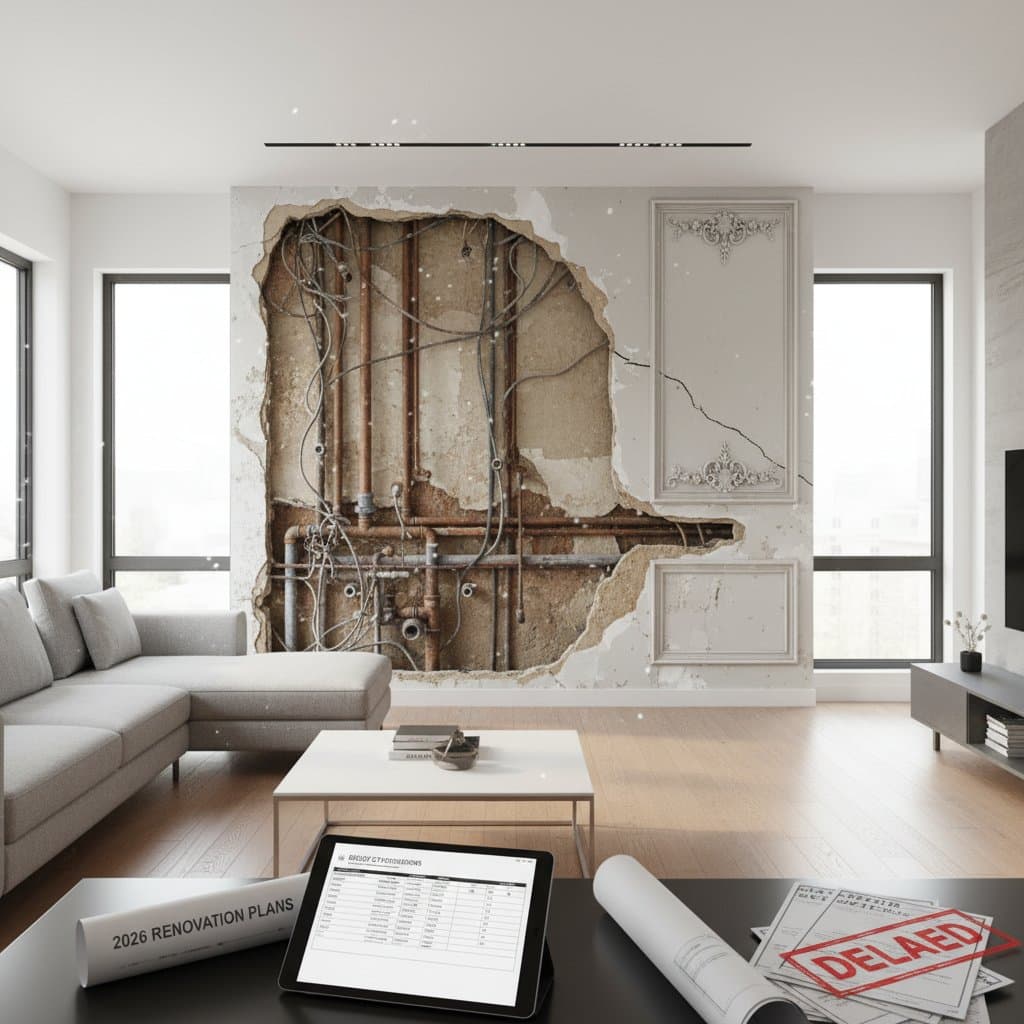
Demolition frequently reveals issues like weakened beams or settling foundations that demand immediate attention. In a recent project by Harmony Homes, uncovering rot in load-bearing walls extended the timeline by weeks and increased expenses significantly.
Materials: Engineered lumber reinforcements, concrete patching compounds.
Design Strategy: Conduct a professional structural inspection before finalizing plans to identify risks early.
Functionality: Stable foundations ensure long-term safety and prevent future repairs.
Visual Impact: Reinforced elements allow for open layouts that enhance flow and natural light.
Addressing these foundational problems early preserves the project's integrity and avoids costly interruptions.
2. Outdated Electrical Systems
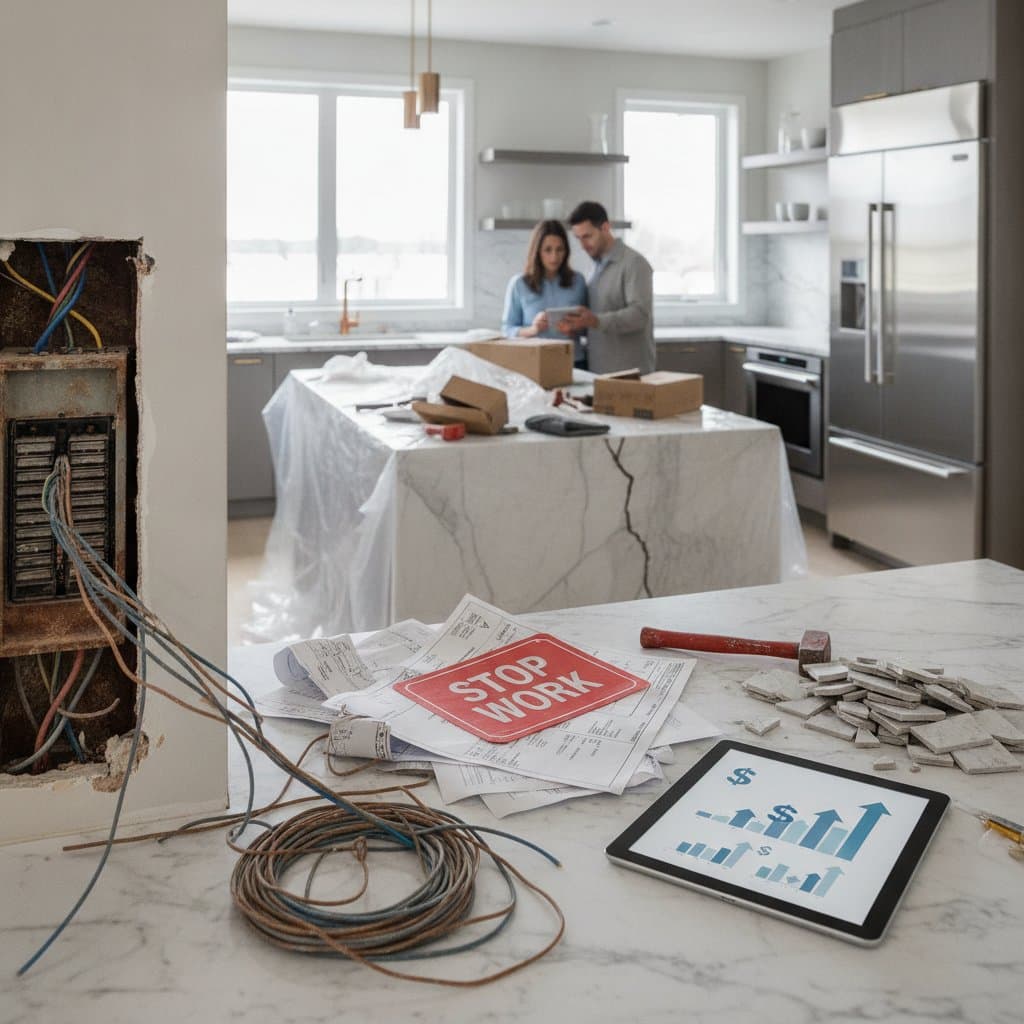
Aesthetic upgrades falter if electrical infrastructure fails to handle contemporary demands. Older residences often feature wiring inadequate for advanced appliances or intelligent fixtures. Marcos & Ivy Interiors managed a Craftsman kitchen overhaul where electrical revisions comprised almost ten percent of the overall expenditure.
Materials: Copper wiring, tamper-resistant outlets, LED-compatible dimmers.
Design Strategy: Integrate wiring enhancements during initial wall openings to eliminate subsequent disruptions.
Functionality: Updated circuits accommodate induction ranges, task lighting, and device charging points.
Visual Impact: Layered illumination fosters atmosphere, and discreet outlets maintain backsplash elegance.
Though invisible in completed images, robust electrical systems underpin safe and efficient daily use.
3. Plumbing Redirections
Shifting fixtures uncovers corroded pipes or incompatible layouts that require full replacements. A boutique firm, Willow Creek Designs, encountered this during a bathroom refresh, where rerouting lines doubled the plumbing allocation.
Materials: PEX tubing, high-efficiency fixtures, water-resistant sealants.
Design Strategy: Map plumbing paths in advance and select flexible materials to minimize alterations.
Functionality: Modern systems reduce leaks and support water-saving technologies.
Visual Impact: Streamlined plumbing enables custom vanity placements that optimize space.
Proactive plumbing assessments prevent water-related delays and safeguard against health hazards.
4. Flooring Transitions
Installing new surfaces alters elevations, necessitating adjustments to doors, trim, and room dividers. Calla Design Group faced this challenge when laying wide-plank oak atop tile, requiring all interior doors to be resized and reinstalled.
Materials: European white oak planks, satin polyurethane finish.
Design Strategy: Calculate underlayment depth and incorporate transition elements prior to material procurement.
Functionality: Level surfaces eliminate tripping risks and ensure smooth door operations.
Visual Impact: Unbroken flooring patterns expand perceived room dimensions.
Achieving fluid transitions demands meticulous measurement from the outset.
5. HVAC Modifications
Altering room configurations impacts heating and cooling distribution, often requiring ductwork expansions. Peak Valley Builders addressed this in a home extension, where HVAC adjustments added unexpected ventilation costs.
Materials: Insulated flex ducts, energy-efficient vents, smart thermostats.
Design Strategy: Consult HVAC specialists during schematic phases to integrate systems seamlessly.
Functionality: Balanced airflow maintains comfort and energy efficiency year-round.
Visual Impact: Concealed vents preserve clean lines in updated interiors.
Integrating climate control early supports sustainable and comfortable living environments.
6. Permitting Delays
Regulatory approvals for modifications to utilities or frameworks prove time-intensive, catching many off guard. Mira & Co. Design Build dealt with this in a Seattle kitchen endeavor, where inspection postponements incurred fees for interim kitchen setups.
Materials: Stainless range hood, quartz composite counters.
Design Strategy: File comprehensive documentation with precise item details at the project's start.
Functionality: Approved installations uphold property value and adhere to safety regulations.
Visual Impact: Compliant designs yield balanced ventilation and harmonious proportions.
Incorporating scheduling margins mitigates the financial toll of bureaucratic waits.
7. Code Compliance Upgrades
Evolving building standards may mandate changes beyond original intentions, such as enhanced insulation or accessibility features. Summit Ridge Renovations navigated this in a full-home update, incorporating ramp access that was not initially budgeted.
Materials: Rigid foam insulation, ADA-compliant hardware, fire-rated doors.
Design Strategy: Review local codes during initial consultations to align plans accordingly.
Functionality: Compliant features boost safety and broaden appeal for future buyers.
Visual Impact: Subtle adaptations maintain stylistic coherence without visual clutter.
Staying ahead of code requirements streamlines approvals and enhances durability.
8. Underestimated Disposal Fees
Debris removal from breakdowns accumulates rapidly, with fees escalating based on weight and local rates. Brightwood Construction handled a kitchen demolition that necessitated additional containers, surpassing projections.
Materials: Recycled concrete aggregate, composite decking for rebuilt steps.
Design Strategy: Sort salvageable items for repurposing or donation to cut down on refuse volume.
Functionality: Streamlined cleanup accelerates subsequent phases.
Visual Impact: Pristine sites facilitate flawless cabinetry placement free of particulate interference.
Requesting weight-based estimates from teams promotes both environmental and economic benefits.
9. Labor Shortages and Overtime
Skilled worker availability fluctuates, leading to premium rates for rushed completions. Terra Firma Contractors experienced this during peak season, where overtime for finish carpenters inflated labor costs by fifteen percent.
Materials: Custom millwork, artisan tiles.
Design Strategy: Schedule critical trades during off-peak periods and build flexibility into timelines.
Functionality: Reliable crews deliver precise execution essential for quality outcomes.
Visual Impact: Expert craftsmanship highlights material textures and joinery details.
Securing commitments early stabilizes workforce dynamics and project pacing.
10. Trim and Paint Detailing
Refinements like moldings, sealants, and layered coatings demand substantial manual effort. Cedar & Clay Interiors observed that clients frequently undervalue these phases, viewing painting as straightforward.
Materials: Low-VOC satin paint, primed MDF trim.
Design Strategy: Budget for adequate curing intervals and skilled application from the beginning.
Functionality: Durable finishes withstand wear and environmental factors.
Visual Impact: Flawless surfaces amplify the space's refinement and endurance.
Meticulous execution in finals crafts a cohesive and professional appearance.
11. Appliance and Fixture Incompatibilities
Selected items may not align with spatial or utility constraints, prompting swaps or modifications. Lakeside Interiors adjusted a project when a oversized refrigerator clashed with cabinetry depths.
Materials: Built-in appliances, adjustable shelving units.
Design Strategy: Verify dimensions and connections against site specifics before purchasing.
Functionality: Compatible selections optimize workflow and energy use.
Visual Impact: Integrated pieces create a unified and streamlined aesthetic.
Thorough compatibility checks avert retrofits and maintain design harmony.
12. Inflation and Supply Fluctuations
Prices for goods like natural stone or unique fittings vary from quote to arrival, particularly for overseas sources. Golden Field Design absorbed a markup on marble that escalated the budget notably.
Materials: Calacatta marble, honed brass pulls.
Design Strategy: Reserve essential components promptly or opt for local substitutes.
Functionality: Fixed costs sustain the intended project parameters.
Visual Impact: Premium selections deliver enduring patterns and elegance.
Embracing adaptable sourcing strategies counters market volatility effectively.
Managing Remodeling Realities
Uncertainty accompanies every renovation, yet informed preparation converts challenges into opportunities. Wise financial planning incorporates a reserve fund, typically ten to twenty percent of the total, to address unforeseen elements.
Tracking expenses through simple tools like spreadsheets captures not just purchases but ancillary charges. This visibility fosters informed decisions that sustain innovation. A thoughtfully orchestrated project inspires confidence rather than concern.
Steps to Maintain Project Momentum
- Engage professionals for pre-renovation assessments to uncover potential issues.
- Develop detailed timelines with buffers for approvals and material arrivals.
- Prioritize sustainable choices to lower disposal and long-term operational costs.
- Document all agreements in writing to clarify responsibilities and expectations.
- Review progress weekly with your team to adjust plans proactively.
- Celebrate milestones to keep motivation high amid the process.