
Emerging Trends in 2026 Open-Concept Kitchen Renovations
Data from leading home renovation platforms indicates that open-concept kitchens continue to rank among the top searched and bookmarked projects. Homeowners value the expansive feel, influx of natural light, and effortless integration of cooking and gathering areas these designs provide. Nevertheless, evolving economic factors, including fluctuating material prices and heightened demand for structural modifications, have altered the budgeting process significantly.
This article examines anticipated costs for open-concept kitchen projects in 2026, explores reasons for cost fluctuations, and highlights design choices that maximize value. Readers gain insights from actual case studies, professional recommendations, and balanced approaches that prioritize aesthetics alongside functionality.
Breaking Down the Cost Categories
Open-concept kitchen renovations typically divide into three cost tiers, each influenced by the extent of structural alterations, material selections, and overall intricacy.
- Entry-Level Projects: These involve removing non-load-bearing walls, installing basic cabinet updates, and applying standard surface materials. Total expenses often range from $20,000 to $40,000, depending on square footage.
- Mid-Tier Renovations: Expect beam installations for load-bearing support, semi-custom cabinetry, and enhanced countertops. Budgets here fall between $50,000 and $80,000, accommodating moderate complexity.
- Premium Transformations: Comprehensive structural redesigns, high-end materials, and designer consultations push costs to $100,000 or more, delivering bespoke results.
Inflation in construction materials and stricter building codes have elevated averages across all tiers. Homeowners can counteract this by opting for durable alternatives, such as porcelain tiles mimicking hardwood or engineered quartz replicating marble, which maintain visual appeal at lower prices.
Key Factors Influencing Project Expenses
Structural Modifications
The primary expense driver remains the nature of wall removal. Non-load-bearing partitions require only basic demolition and framing, often costing $1,500 to $3,000. Load-bearing walls necessitate engineering assessments, support beams, and permit approvals, escalating to $5,000 to $15,000 or higher. Select laminated veneer lumber for cost-effective strength in residential settings, or steel I-beams for spans exceeding 10 feet.
Electrical and Plumbing Relocations
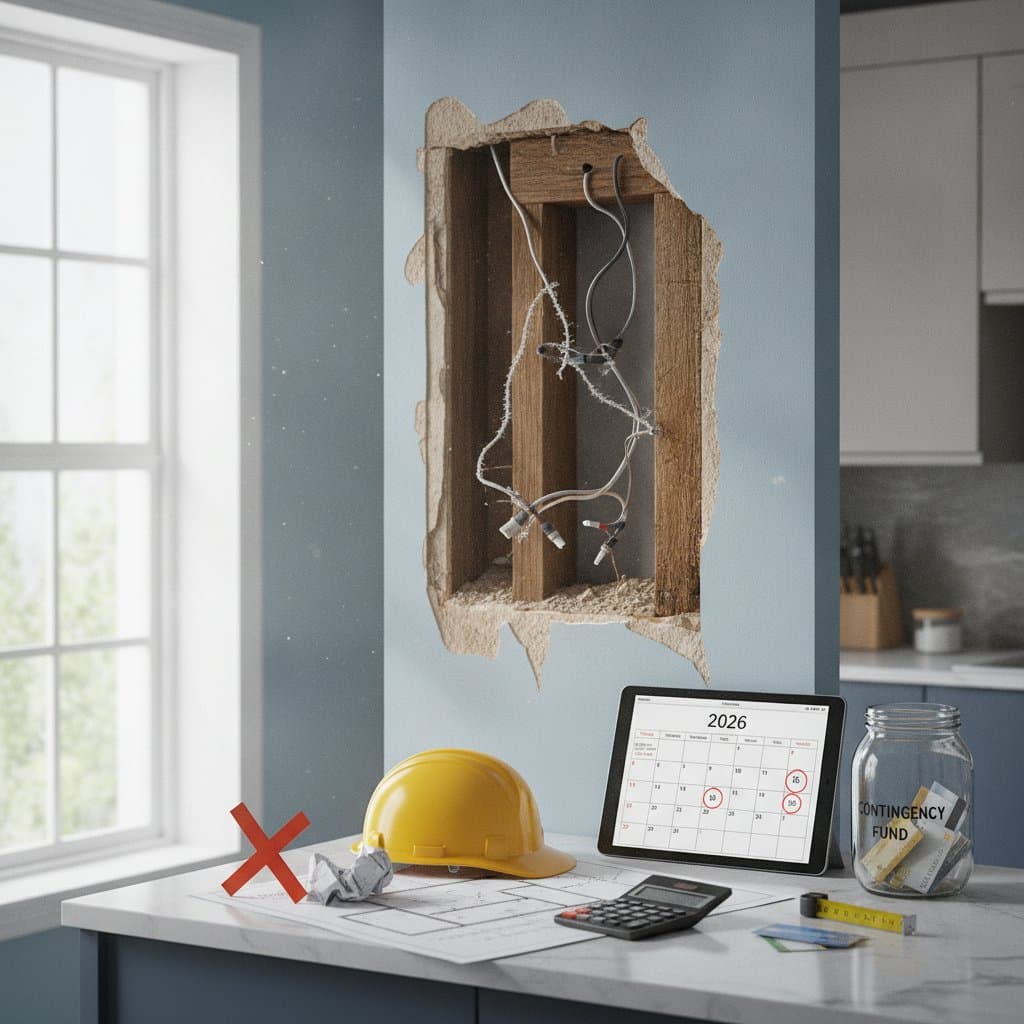
Walls frequently conceal essential utilities, prompting rerouting efforts. Electricians may need to reposition outlets and lighting circuits, adding $2,000 to $5,000 in labor and wiring. Plumbers face similar challenges with pipe adjustments, particularly if sinks or dishwashers shift locations. To contain costs, plan utility paths along accessible routes like soffits or adjacent walls during initial consultations.
Material and Fixture Selections
Choices in cabinetry, surfaces, and appliances define both style and longevity. Solid wood cabinets with soft-close hardware start at $200 per linear foot, while laminate options hover around $100. Countertops in quartz offer stain resistance comparable to granite at 40 percent less cost, typically $50 to $80 per square foot installed. Integrate energy-efficient LED under-cabinet lighting to enhance ambiance without inflating electricity bills.
Labor and Expertise
Rates for specialized contractors vary, with structural carpenters charging $75 to $150 per hour in urban centers. Engaging certified professionals from the outset minimizes errors, such as improper load distribution, which could lead to $10,000 in corrective work. Obtain multiple bids specifying timelines to ensure competitive pricing.
Regional Variations in Budgeting
Geographic location profoundly impacts open-concept kitchen costs. High-density urban zones like New York or San Francisco incur 50 to 100 percent premiums due to elevated labor rates, stringent permitting, and material delivery logistics. In contrast, suburban or rural areas in the Midwest or South maintain lower baselines, often 20 to 30 percent below national averages.
Supply chain dynamics also play a role; coastal regions may experience delays in importing specialty items, indirectly raising holding costs. Homeowners should solicit bids from at least three local licensed contractors, requesting itemized breakdowns that cover structural engineering, utility work, and finishes for transparent comparisons.
Real-World Case Studies
Urban Pivot: Chicago Condo Transformation
Location: Chicago, Illinois
Designer: Mateo & Rowe Interiors
In a compact urban condo, designers addressed the disconnect between kitchen and living areas by partially demolishing a dividing wall and installing a steel support post clad in walnut veneer. The palette featured deep charcoal cabinets paired with a glossy white Moroccan zellige tile backsplash, introducing depth and light reflection.
Structural reinforcements increased the budget by approximately 25 percent, totaling $65,000. The addition of a versatile peninsula served as both breakfast bar and prep surface, converting a tight galley layout into an inviting social space.
Loft Lineage: Brooklyn Industrial Revival
Location: Brooklyn, New York
Designer: Studio Kellan
Transforming a historic warehouse apartment involved replacing a full load-bearing wall with exposed steel beams, a move that preserved the raw industrial aesthetic while opening the floor plan. Concrete flooring complemented matte black cabinetry and reclaimed pine open shelving, with a waterfall-edge island in brushed stainless steel as the centerpiece.
The project exceeded $120,000, driven by engineering and custom fabrication. Benefits included improved airflow and daylight penetration, reducing reliance on overhead lights and enhancing energy efficiency.
Mountain Frame: Denver Hillside Redesign
Location: Denver, Colorado
Designer: Weston & Vale Design
This hillside residence underwent extensive reconfiguration, substituting two load-bearing walls with a stained glulam beam that harmonized with walnut cabinetry. To bridge a floor-level transition, large-format porcelain tiles created a seamless visual continuity.
Elevated costs from structural and millwork elements reached $95,000. The result framed panoramic mountain vistas, positioning the kitchen as a dramatic focal point with textures like matte black fixtures and leathered granite adding tactile luxury.
Budget Management Strategies
Implement Phased Implementation
Prioritize structural openings in the initial phase, deferring cosmetic upgrades like backsplashes or hardware. This approach delivers immediate spatial benefits while distributing financial outlay over 12 to 24 months.
Preserve Core Infrastructure
Maintain existing plumbing and electrical footprints to avoid relocation fees. Minor adjustments, such as repositioning a single outlet, prove far less disruptive than overhauling entire systems.
Balance Material Investments
Allocate premium budgets selectively; reserve natural marble for high-impact zones like the island while surrounding areas use resilient quartz. This tactic yields a luxurious appearance at 30 percent savings.
Incorporate Reuse Techniques
Refinish existing cabinets with new hardware or overlays to cut replacement costs by half. Similarly, repaint trim or repurpose salvaged elements to infuse personality and promote eco-friendly practices.
Engage Experts from the Start
Involve structural engineers and designers during planning to uncover hidden challenges, such as unforeseen joist reinforcements. Early intervention often trims 10 to 20 percent from total expenses through optimized layouts.
Integrating Sustainability into Open-Concept Designs
Sustainability shapes 2026 kitchen trends, emphasizing low-impact materials and efficient systems. Opt for cabinets crafted from FSC-certified wood or recycled composites to reduce environmental footprint without compromising durability. Energy-star rated appliances and low-flow faucets lower utility demands, potentially recouping investments via rebates.
Incorporate passive features like strategically placed windows for natural ventilation, minimizing HVAC reliance. Recycled glass countertops or bamboo flooring offer renewable alternatives that align with green building standards, enhancing resale value in eco-conscious markets.
Realizing Lasting Value in Your Space
An open-concept kitchen extends beyond aesthetics to enrich daily routines, facilitating family meals and effortless entertaining. By aligning design with practical needs and fiscal realities, homeowners craft enduring hubs that evolve with lifestyle changes. Invest thoughtfully to transform routine tasks into joyful experiences, elevating the heart of the home for years ahead.