
The Sneaky Kitchen Costs That Derail Your Remodel
According to the National Kitchen and Bath Association's latest homeowner survey, only 38 percent of kitchen remodels stay within the original budget. The remaining 62 percent run over, often by 15 to 25 percent of total projected cost. The main culprit is not luxury upgrades or design indecision; it is hidden or underestimated expenses that quietly accumulate until they strain the entire financial plan.
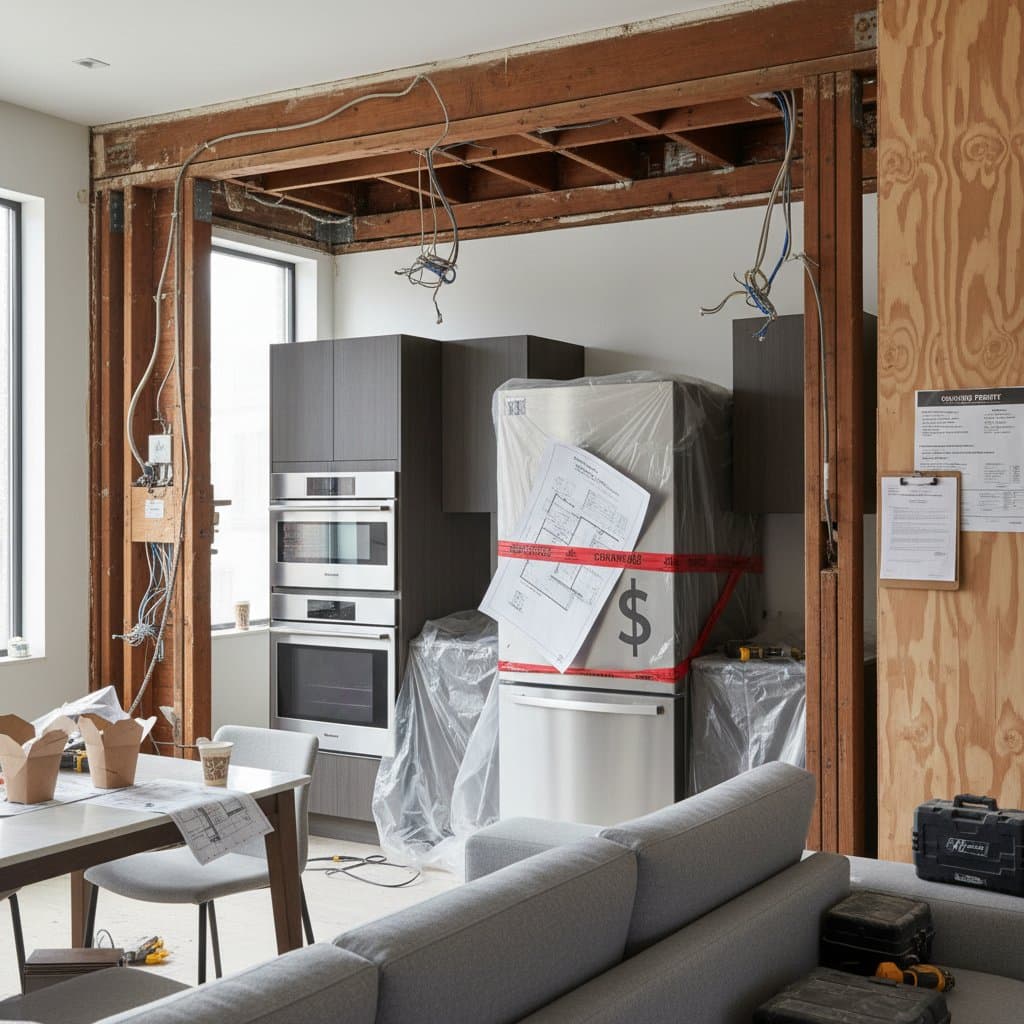
Homeowners frequently focus on surface-level choices like cabinetry finishes and countertop materials, but the real financial shocks come from beneath the surface. Plumbing reroutes, electrical code updates, structural surprises, and delayed permits can all derail a remodel that started with a solid spreadsheet.
This guide breaks down the most common hidden kitchen costs, the professional insights behind them, and the preventative steps to keep your project financially on track.
1. Structural Surprises Beneath the Walls
Problem Identification
A kitchen remodel often exposes structural issues that were invisible during the initial walk-through. Rotten subflooring, outdated framing, or load-bearing walls that cannot be removed as planned can each trigger thousands in added expenses.
Professional Context
Data from Remodeling Magazine's cost analysis indicates that unforeseen structural repairs add an average of 8 to 12 percent to total kitchen renovation spending. These issues are particularly common in homes more than two decades old or in properties with multiple prior remodels.
Structural engineer Lydia Ramos, PE, of Pacific Build Consulting, said, "Homeowners often assume a wall is non-load-bearing until demolition begins. Once we find structural dependency, the cost of beam installation and reinforcement can double the framing budget."
Actionable Solutions
- Pay for a pre-demo inspection. A structural engineer's evaluation typically costs between 300 and 600 dollars but can prevent multi-thousand-dollar surprises later.
- Plan for contingencies. Allocate at least 10 percent of your total budget as a contingency fund for structural or hidden issues.
Cost Considerations
A single support beam installation can range from 1,500 to 5,000 dollars depending on length, material, and required engineering oversight. Skipping early evaluation often results in emergency structural fixes with inflated labor costs.
2. Outdated Plumbing and Electrical Systems
Problem Identification
Older kitchens may have outdated wiring or undersized plumbing that cannot support new appliances or layout changes. These systems must be upgraded to meet current code, and those updates rarely appear in preliminary cost estimates.
Professional Context
The Home Improvement Research Institute reports that nearly 42 percent of mid-range kitchen remodels require plumbing or electrical rewiring beyond initial expectations. These upgrades are mandatory for safety and code compliance, not optional design choices.
Michael Grant, licensed master electrician at Metro Core Electrical, explained, "Clients often budget for appliance installations but forget that modern ovens or induction cooktops draw more power. A full panel upgrade can cost 2,000 to 3,500 dollars before any new wiring begins."
Actionable Solutions
- Request a pre-renovation code compliance check from both a licensed electrician and plumber.
- Use updated as-built plans to confirm that the new layout does not exceed existing electrical or plumbing capacities.
Cost Considerations
Expect 75 to 150 dollars per new electrical outlet, 300 to 600 dollars for plumbing relocations, and up to 5,000 dollars for a complete service panel upgrade. These are baseline figures that vary by region and accessibility.
3. Permit Fees and Regulatory Delays
Problem Identification
Permits are often overlooked in early budget drafts. Yet every structural change, plumbing modification, or electrical adjustment requires official approval, inspection fees, and sometimes architectural drawings.
Professional Context
Municipal permit fees typically range from 1 to 3 percent of total construction cost, but timing delays can be even more expensive. Each week of delay adds labor and rental expenses that compound quickly.
Sarah Nguyen, project manager at Urban Craft Builders, said, "A missing or delayed permit can stall an entire crew. The homeowner ends up paying for downtime, which can add 1,000 dollars a week in labor holding costs."
Actionable Solutions
- Assign one person to manage permits and inspection schedules before demolition.
- Ask your contractor for a full permit checklist during the bidding stage to ensure these costs are disclosed early.
Cost Considerations
Budget at least 1,000 to 3,000 dollars for permits in urban markets and slightly less in suburban or rural zones. Include permit-related downtime within your contingency planning.
4. Appliance Fit and Delivery Complications
Problem Identification
New appliances may not fit existing cabinetry or require specialty hookups. Delivery and installation issues can generate restocking fees and unplanned carpentry modifications.
Professional Context
The National Association of Home Builders reports that 29 percent of kitchen remodel delays stem from appliance misfits or backorders. Custom cabinetry adjustments after installation can add several hundred dollars to the project.
Dana Ellis, kitchen designer at Renovate Studio, said, "Even a half-inch mismeasurement around a refrigerator can require reworking an entire cabinet run. That small error can mean 800 to 1,500 dollars in labor and materials."
Actionable Solutions
- Order all appliances before cabinet fabrication to ensure sizing is confirmed.
- Ask for delivery verification before scheduling contractors to avoid idle labor days.
Cost Considerations
Factor in 200 to 500 dollars for potential appliance adjustments, 100 to 250 dollars for delivery and haul-away fees, and up to 1,000 dollars if cabinetry modifications are required after installation.
5. Countertop and Backsplash Overruns
Problem Identification
Natural stone slabs and tile backsplashes often exceed the initial material allowance. Waste factors, seam alignment, and slab availability affect total cost, especially when projects require exact pattern matching.
Professional Context
Fabrication shops estimate that waste and pattern matching can add up to 20 percent more material than planned. Supply shortages or discontinued tile lots further increase costs through rush orders or substitutions.
Carlos Medina, owner of StoneLogic Fabricators, said, "A single mistake in slab cutting can cost 1,000 dollars or more. Always budget for at least one extra piece when using natural materials."
Actionable Solutions
- Request a digital layout preview from your fabricator to approve seam placement before cutting.
- Confirm square footage multiples with a 10 to 15 percent waste factor to avoid last-minute shortages.
Cost Considerations
Granite countertops typically range from 70 to 120 dollars per square foot installed. Tile backsplash installations average 25 to 50 dollars per square foot. Always verify that labor, edge finishing, and sealing are included in contractor estimates.
6. Temporary Living Costs During Construction
Problem Identification
Few homeowners budget for the cost of living without a kitchen. Eating out, temporary kitchen setups, and storage rentals can quietly drain savings over several weeks.
Professional Context
A study by the Home Projects Finance Institute found that mid-size kitchen remodels take an average of eight to twelve weeks, and out-of-home food expenses increase by 35 percent during that time.
Financial consultant Mark Allen, CFA, said, "Most households underestimate lifestyle costs during construction. Even modest takeout spending adds hundreds per month, eroding contingency funds intended for real construction risks."
Actionable Solutions
- Set up a temporary kitchenette with an induction plate, mini-fridge, and microwave.
- Include living expenses in your project budget spreadsheet under "soft costs."
Cost Considerations
Expect 300 to 600 dollars per month in additional food expenses and 100 to 200 dollars for storage or temporary equipment rentals.
7. Change Orders and Scope Creep
Problem Identification
Design changes after construction begins can trigger expensive change orders. Each modification requires new labor estimates, sometimes additional permits, and extended timelines.
Professional Context
BuildFax data shows that change orders account for an average of 12 percent cost escalation in kitchen remodels. These often result from unclear specifications or homeowner indecision.
Rachel Kim, certified construction manager at Apex Project Controls, said, "Every change order resets part of the schedule. Even minor shifts like moving a light fixture can delay inspections and push costs upward."
Actionable Solutions
- Finalize all finishes and layouts before demolition.
- Use written change order forms that clearly outline costs and timeline impacts before authorizing any updates.
Cost Considerations
Expect administrative and labor fees of 250 to 500 dollars per change order, plus the direct material or trade costs associated with each modification.
8. Finishing Touches That Add Up
Problem Identification
Hardware, lighting fixtures, trim, and paint often appear minor but collectively can exceed thousands in unexpected cost. Many homeowners underestimate these finishing details during early budgeting.
Professional Context
Industry data from Houzz Pro Insights shows that finishing materials account for 8 to 10 percent of total renovation spending. The cumulative cost of knobs, pulls, and light fixtures can equal a new appliance.
Interior contractor Paul Jensen of Northline Renovations said, "Clients often run out of funds before the finishing phase. Small items like handles or under-cabinet lighting seem trivial but can derail the closeout budget."
Actionable Solutions
- Create a detailed finishing materials list early in the planning process.
- Shop for hardware and fixtures during the design phase to lock in costs before construction starts.
Cost Considerations
Budget 500 to 2,000 dollars for hardware and lighting, depending on style and quantity. Factor in 200 to 500 dollars for trim and paint supplies, ensuring professional installation where needed.
Strategies to Safeguard Your Budget and Timeline
To avoid these hidden costs, start with a comprehensive pre-remodel audit that includes structural, electrical, and plumbing assessments. Work closely with your contractor to build a detailed budget that incorporates all soft and hard costs from the outset. By anticipating these pitfalls and allocating reserves wisely, you position your kitchen remodel for success, delivering a space that enhances your home without financial strain.
Regular communication with your team ensures adjustments stay minor and controlled. Ultimately, a well-planned renovation not only meets your vision but also preserves your financial peace of mind for years to come.