Introduction to 2026 Kitchen Pantry Trends
The National Kitchen and Bath Association's recent homeowner survey indicates that 62 percent of kitchen remodels incorporate a dedicated pantry space. One in three homeowners prioritizes storage efficiency above other renovation goals. Rising food prices and supply chain issues prompt investments in practical storage that supports function, controls costs, and enhances property value. The walk-in pantry and butler's pantry emerge as top choices in these projects.
These options improve organization and ease of use, yet they involve distinct financial and operational considerations. As remodeling expenses increase, selecting the appropriate pantry prevents budget overruns and ensures alignment with home needs.
Defining Walk-In and Butler's Pantries in Modern Kitchens
Each pantry type integrates differently into contemporary home designs, affecting layout, daily routines, and future marketability.
Walk-In Pantry Features
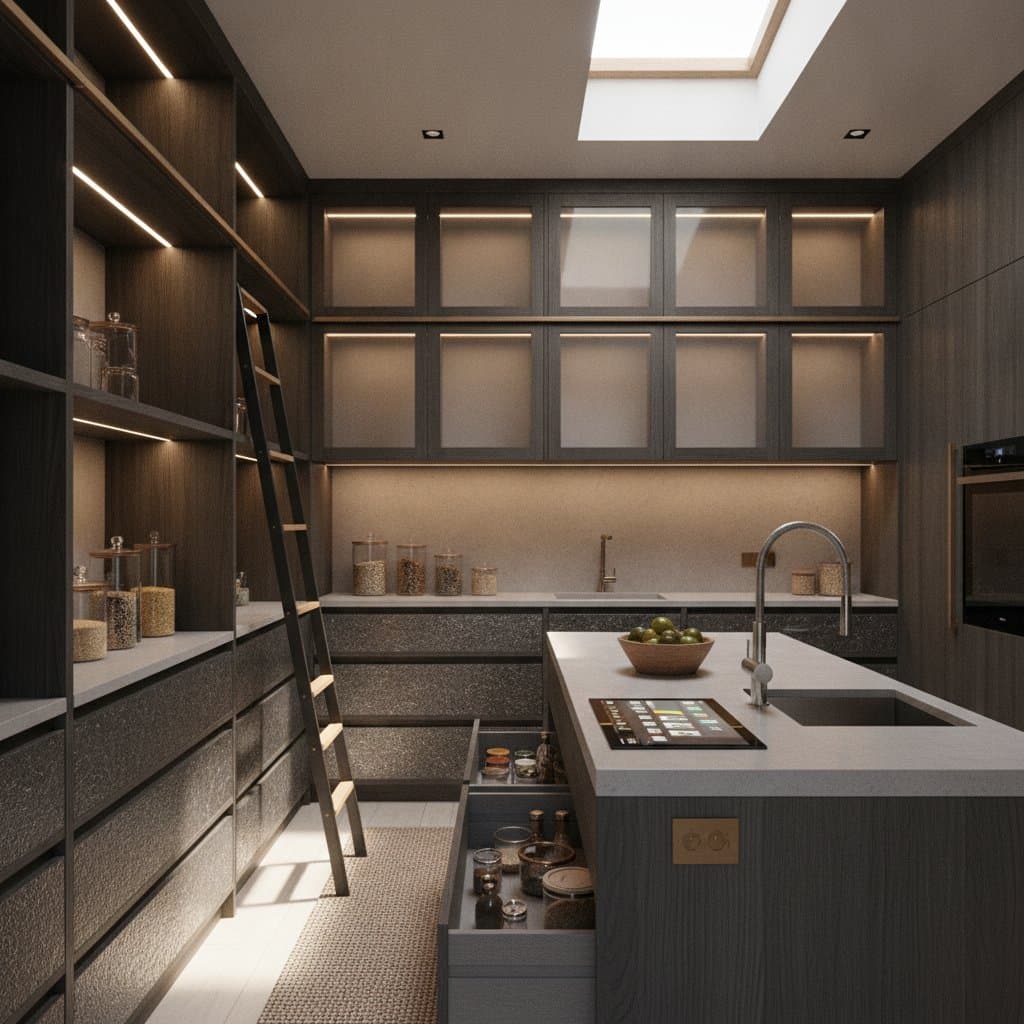
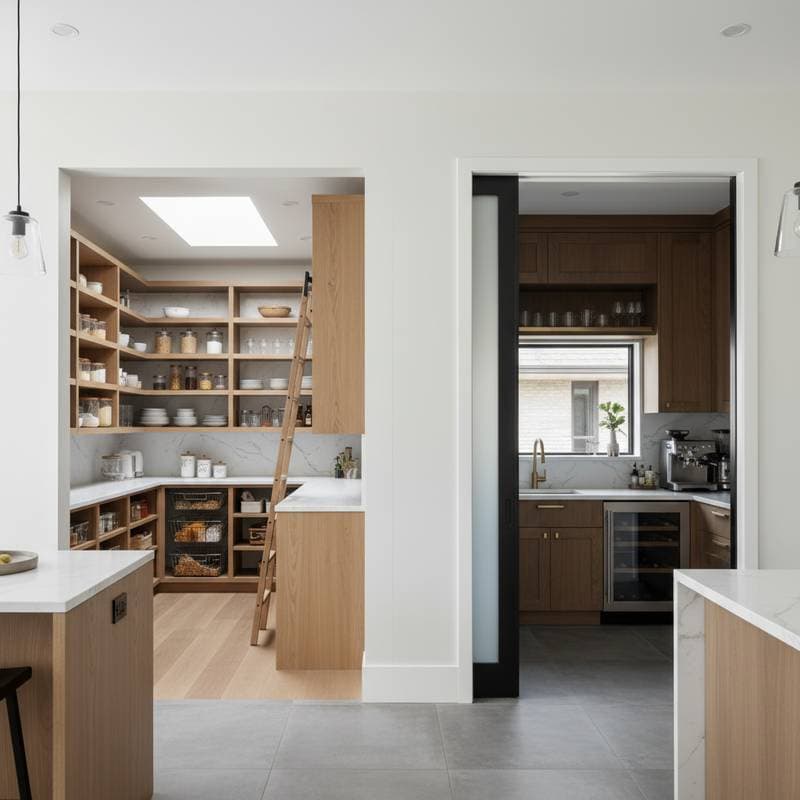
The walk-in pantry emphasizes bulk storage and easy access. It requires 25 to 50 square feet and operates as an auxiliary room for provisions. Adjustable shelving accommodates dry ingredients, canned goods, and compact appliances.
Architectural consultant Jeremy Fields of BuildRight Studio states that walk-ins suit suburban residences with ample area and bulk purchasing habits. They facilitate inventory tracking and clear kitchen surfaces. In new constructions, these pantries position behind the primary kitchen area to preserve workflow efficiency.
Butler's Pantry Features
The butler's pantry acts as a bridge for preparation and serving between kitchen and dining areas. It features cabinetry, a compact sink, or an additional dishwasher. Originally designed for staff meal service, today's iterations serve as entertainment centers.
Interior project manager Leah Grant of Renovation Logic observes that a butler's pantry conveys luxury and elevates resale in premium locations. It requires greater upfront spending and regular upkeep. Grant managed upscale projects where this space functioned as a focal point for frequent hosts, combining style with utility.
Space Requirements and Layout Impacts
Space allocation influences overall kitchen design and usability. Walk-in pantries demand dedicated square footage, often carved from adjacent areas like hallways or utility rooms. This setup suits homes with flexible floor plans but may reduce open living space.
Butler's pantries integrate linearly, typically 10 to 20 square feet, along traffic paths. They enhance flow for entertaining yet complicate layouts in compact homes. Experts recommend measuring traffic patterns and consulting floor plans early to avoid redesign costs.
Cost Breakdown and Financial Comparison
Understanding expenses reveals the true investment for each option. The table below outlines key categories based on national averages for mid-range materials and labor.
| Expense Category | Walk-In Pantry | Butler's Pantry |
|---|---|---|
| Construction & Framing | $1,500–$3,000 | $2,000–$5,000 |
| Cabinetry & Shelving | $1,800–$5,000 | $3,000–$8,000 |
| Lighting & Electrical | $500–$1,200 | $1,000–$2,500 |
| Plumbing (if applicable) | Optional | $1,500–$4,000 |
| Flooring & Finishes | $700–$1,500 | $1,000–$2,000 |
| Total Estimated Range | $4,500–$10,700 | $8,500–$21,500 |
A butler's pantry often costs nearly twice as much due to premium finishes and integrated features. Real estate data indicates that properties with refined butler's pantries achieve 2 to 5 percent higher sale prices in desirable suburban areas.
Return on Investment and Resale Value
Both pantries contribute to home equity, though benefits vary by market and execution. Walk-in pantries recover 70 to 80 percent of costs through improved functionality and broad appeal. They attract families seeking practical upgrades.
Butler's pantries yield higher returns, up to 90 percent, in luxury segments where entertaining spaces command premiums. Poorly planned installations diminish value, so professional input ensures optimal placement and quality.
Selecting Professional Support
Engage specialists to navigate design and execution challenges.
- Kitchen Designers: Certified Kitchen Designers provide 3D visualizations and budget optimizations.
- General Contractors: Select companies with proven kitchen portfolios, valid licenses, and insurance.
- Specialty Cabinet Installers: Opt for experts in durable, moisture-resistant installations.
- Financial Advisors: Consult on funding options like home equity loans for substantial projects.
Managing Budgets Effectively
Renovations frequently surpass estimates, with 38 percent of homeowners overspending on kitchens due to labor and material fluctuations. Incorporate a 15 percent contingency in your budget. Focus on essential functions before aesthetic upgrades.
Phased approaches allow completion of structural elements first, deferring finishes. Financial consultant Erica Vaughn of HomeValue Advisory recommends viewing the pantry as a diversified investment, balancing utility, durability, and market appeal to mitigate risks.
Final Steps for Your Pantry Upgrade
Deciding on a walk-in or butler's pantry shapes daily routines, property worth, and upkeep demands. Those prioritizing storage and affordability often select walk-ins, while entertainers favor butler's pantries for their versatility.
Integrate pantry plans into your comprehensive kitchen strategy from the outset. Set firm budget limits, involve experts promptly, and scrutinize quotes thoroughly. Tailor selections to your cooking habits and financial plans to secure convenience and lasting value.