Hidden Fees Crushing Kitchen Remodel Budgets
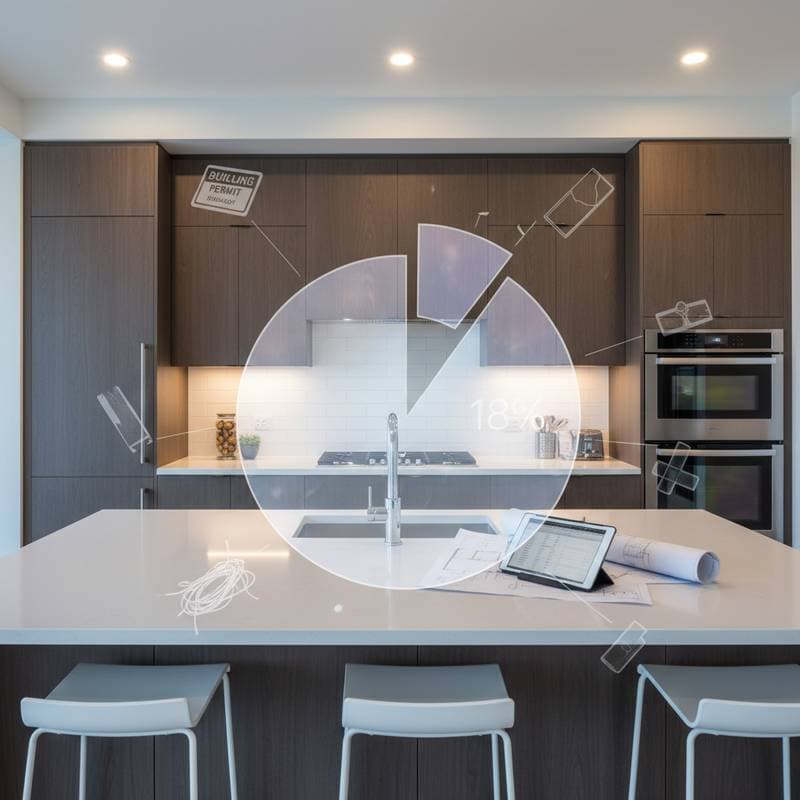
The National Kitchen and Bath Association's latest market report indicates that over 42 percent of homeowners surpass their remodeling budgets. Kitchen renovations lead in overruns, with unexpected expenses averaging 18 percent above initial estimates. These additional costs often amount to thousands of dollars, disrupting financing, extending timelines, and diminishing return on investment.
Kitchen projects involve structural, mechanical, and design elements from multiple trades. Each area introduces potential hidden fees that catch even seasoned homeowners off guard. Identifying these sources and preparing accordingly prevents budget disruptions.
Why Hidden Costs Often Escape Notice
Hidden expenses surface when estimates rely on assumptions rather than detailed assessments. Professionals might apply general averages that overlook a property's unique conditions. For instance, a home built two decades ago could feature inadequate wiring or plumbing unfit for contemporary appliances. Such problems reveal themselves only after demolition, necessitating immediate fixes.
James Ortega, Project Director at MetroRenovate Construction, noted, “Initial estimates come from superficial reviews. Demolition uncovers concealed problems. Addressing them proves essential, and budgets escalate as a result.”
Regional permitting adds another layer of unpredictability. Local governments impose varying inspection fees, environmental charges, or impact evaluations absent from preliminary quotes. These can range from hundreds to thousands of dollars based on location.
Labor dynamics contribute further. Electricians and plumbers adjust rates with market demand. Project delays trigger mid-contract increases unless contracts include safeguards, leaving homeowners to cover the extra charges.
Key Cost Categories Prone to Hidden Fees
Targeting high-risk areas allows homeowners to direct scrutiny effectively. Certain categories routinely generate unforeseen expenses.
Structural Repairs
Removing outdated cabinets or flooring frequently exposes water damage or weakened framing. Subfloor replacement or joist reinforcement adds 1,500 to 4,000 dollars.
Electrical and Plumbing Upgrades
Current appliances demand upgraded circuits and water lines compliant with code. Updating these systems in older homes costs 2,000 to 5,000 dollars.
Permits and Inspections
Permit costs differ by municipality, with some basing fees on project scope. A complete kitchen remodel incurs 500 to 2,500 dollars, including utility checks.
Disposal and Hauling
Contracts often omit debris management. Rentals, landfill charges, and hazardous waste handling total 600 to 1,200 dollars.
Design Changes
Mid-project alterations, however small, create cascading effects. Switching from laminate to quartz countertops or altering cabinet styles increases material expenses by 20 to 30 percent.
Temporary Living Expenses
Unusable kitchens prompt reliance on external meals or short-term housing. These indirect costs surpass 1,000 dollars across weeks.
Ensuring Cost Transparency with Expert Guidance
Engaging professionals focused on budget control minimizes surprises. Seek contractors certified by the National Association of the Remodeling Industry or regional builder groups. Such affiliations signal commitment to transparent estimating.
Marta Klein, Certified Remodel Planner at ProBudget Homes, stated, “Documentation forms the foundation of transparency. Track every estimate, invoice, and change order meticulously. Unexplained increases signal potential issues.”
Request a detailed Scope of Work document outlining tasks, materials, and allowances. This serves as a binding agreement to resolve future conflicts.
For extensive renovations, appoint an independent project manager or cost consultant. They scrutinize bids, approve payments, and approve modifications. Their 3 to 5 percent fee frequently yields greater savings through vigilant monitoring.
Navigating Regional Cost Differences
Expenses fluctuate by location. Urban centers face constrained labor and elevated shipping costs. Remodeling Magazine's guide shows midrange kitchen projects ranging from 25,000 dollars in rural areas to over 60,000 dollars in coastal metros.
Hidden fees proportionately amplify these baselines. A 15 percent overrun on a 60,000-dollar job equals 9,000 dollars, compared to 3,750 dollars in lower-cost regions. Local knowledge proves crucial for accurate planning.
Obtain three bids from area-specific contractors. This comparison highlights irregularities and curbs excessive pricing.
Aligning Expectations Through Clear Communication
Misunderstandings fuel many hidden fees. Homeowners presume inclusions that contractors omit from quotes. Installation reveals these gaps, prompting costly additions.
Detail all selections in writing prior to starting. Include specific model numbers, brands, and specs to avoid ambiguity. Share a collaborative document for real-time updates.
Schedule regular check-ins, weekly if possible, to address emerging concerns promptly. Record discussions to provide evidence in case of disagreements.
Essential Financial Tools for Budget Control
Practical resources streamline renovation finances.
-
Renovation calculators deliver region-specific baselines.
-
Tracking applications such as CoConstruct or Buildertrend link to accounts for instant expense logging.
-
Loan simulators project payments and interest across the project duration.
-
Association-provided contract templates standardize clauses and reduce vulnerabilities.
Integrating these with professional advice builds a robust planning system.
Maximizing Long-Term Value
Budget discipline supports enduring benefits. Quality kitchen updates recover 55 to 65 percent of costs in home equity. Excess spending erodes this recovery.
David Horne, CFP at Renovation Wealth Strategies, observed, “Dollars over budget yield reduced returns. Extravagant finishes seldom match resale gains. Disciplined oversight produces optimal results.”
Prioritize efficient appliances, resilient materials, and functional designs for lasting appreciation. Avoid impulsive fixes that offer minimal ongoing advantage.
Safeguarding Your Remodel Investment
Post-completion care preserves value. Organize warranties, receipts, and reports for easy access. Conduct yearly inspections of plumbing, ventilation, and electrical components to avert future concealed expenses.