
Planning a Modular Kitchen Remodel on a Budget in 2026
The Home Improvement Market Index from the National Kitchen and Bath Association reveals that 42 percent of homeowners exceed their kitchen renovation budgets, while nearly one in three express regret over inadequate preparation for overruns. Modular kitchen remodels emerge as an ideal choice for those seeking a balance of affordability, efficiency, and customization. These systems rely on prefabricated cabinets, preassembled components, and optimized layouts to deliver a full upgrade in far less time and expense compared to conventional custom constructions.
Homeowners benefit from the precision of factory-built elements that minimize on-site adjustments. This approach not only controls costs but also reduces disruption to daily routines. As material prices fluctuate and labor remains scarce, modular options provide a reliable path to a modern kitchen.
Understanding Common Renovation Challenges
Many homeowners overlook the complexities involved in kitchen renovations, leading to unexpected delays and expenses. Issues such as supply chain disruptions, skilled labor shortages, and iterative design changes often inflate initial projections. Remodeling Magazine's Cost vs. Value report indicates that a standard mid-range kitchen remodel averages over forty thousand dollars under traditional methods.
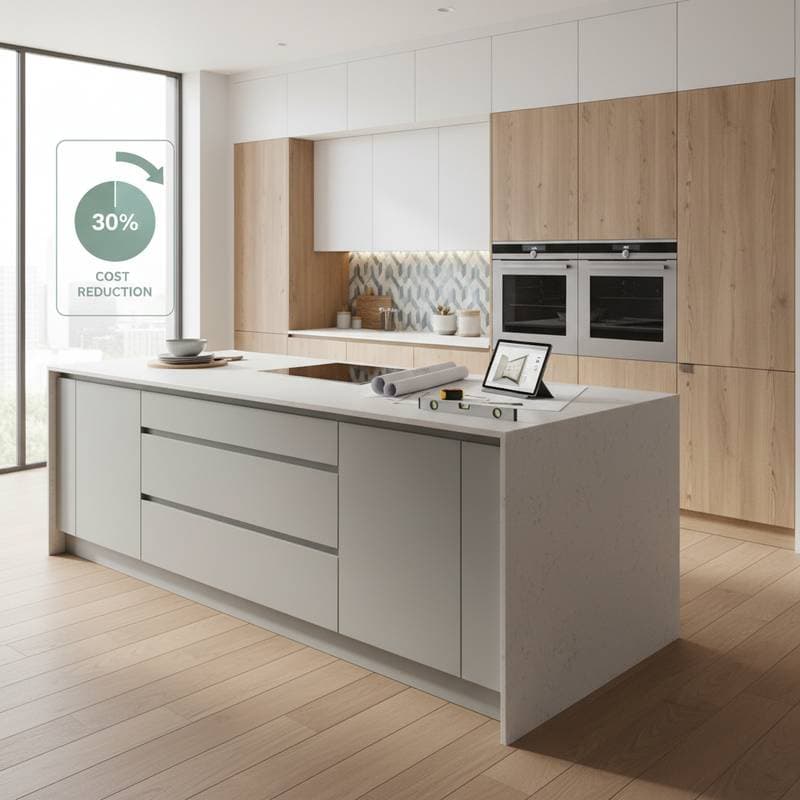
Modular designs address these pain points directly by streamlining the process. Labor requirements drop significantly, as components arrive ready for assembly, which cuts waste and shortens timelines. This method can reduce overall expenses by up to 30 percent, making high-quality updates accessible to more households.
The Rise of Modular Kitchens in the Market
Rising costs for raw materials and a push for quicker project completions drive the expansion of the modular kitchen sector. These systems feature engineering for exact fits, enabling installers to complete assemblies in days instead of weeks. Homeowners gain confidence from the fixed pricing that shields against market volatility in lumber and fixtures.
"Clients appreciate the reliability of modular setups," notes Laura Kent, a project manager at BuildSmart Construction Group with fifteen years in renovations. "Early price commitments safeguard against swings in material costs."
Statista data highlights consistent growth in modular cabinetry sales, reflecting broader adoption. Manufacturers now offer diverse customizations, including eco-friendly woods and varied finishes, so budget-minded individuals access premium aesthetics without excess spending.
Step-by-Step Guide to Your Modular Remodel
Success in a modular kitchen project hinges on meticulous preparation and financial discipline. Follow these structured steps to maintain control over budget and schedule:
-
Establish a firm budget. Determine a total allocation upfront, incorporating a 10 percent buffer for unforeseen costs like minor adjustments or delivery fees.
-
Choose components in advance. Order prefabricated cabinets, durable quartz countertops, and coordinated backsplash tiles as a package to secure bulk pricing and ensure compatibility.
-
Engage skilled professionals. Select installers experienced in modular systems, as accurate measurements prove essential for seamless integration.
-
Schedule logistics efficiently. Time component deliveries to align closely with installation dates, avoiding unnecessary storage or handling expenses.
-
Monitor expenditures closely. Employ simple tracking tools, such as digital spreadsheets, to log all invoices, payments, and supply purchases throughout the process.
"Scope expansion causes most overruns," explains Eric Donnelly, owner of Precision Remodel Advisors and a licensed contractor with over twenty years of expertise. "Homeowners often introduce extras during construction. Commit to the initial blueprint and finalize selections prior to procurement."
These steps foster a predictable workflow, allowing homeowners to visualize progress and address issues promptly.
Budget Breakdown and Optimization Strategies
Expect a modular kitchen remodel to range from fifteen thousand to twenty-eight thousand dollars, influenced by kitchen dimensions, selected materials, and local labor rates. Prefabricated cabinets represent the primary investment, typically costing two hundred to five hundred dollars per linear foot. Appliances and surface treatments follow as key expense categories.
Value engineering maximizes every dollar by prioritizing functionality alongside style. Opt for resilient mid-range options, such as engineered quartz or high-pressure laminate, which mimic luxury stone appearances at reduced prices. Retaining functional existing appliances or salvaging usable cabinet frames can yield further savings of around fifteen percent.
Renovation analyst Maria Lopez from Apex Design Consulting emphasizes long-term returns: "Investments in modular kitchens frequently recoup up to seventy percent upon resale. Focus on selections that preserve both form and utility for enduring appeal."
Incorporate energy-efficient fixtures where possible to lower utility bills over time. This layered approach ensures the project aligns with financial goals while enhancing daily usability.
Sourcing Reliable Suppliers and Support
Evaluate manufacturers thoroughly before finalizing choices. Request physical samples to assess quality and verify compliance with regional building standards. Established providers like IKEA, BOXI by Semihandmade, and CliqStudios offer comprehensive guides and dedicated assistance for self-directed projects.
Prioritize suppliers that include robust warranties, covering materials and installation for at least one year. Professional installers should guarantee alignment and performance, providing peace of mind post-completion.
Partnering with vetted experts streamlines the entire endeavor, from selection to finish.
Preserving Your Modular Kitchen Long-Term
After installation, routine upkeep sustains the kitchen's performance and appearance. Wipe surfaces with mild, non-abrasive cleaners to prevent damage. Conduct yearly checks on hardware like hinges and slides to ensure smooth operation and catch wear early.
Simple habits, such as avoiding excessive moisture near wood elements, extend the lifespan of components. These practices protect the investment and maintain the space's efficiency for years.
A well-executed modular remodel yields clear economic benefits through thoughtful strategy and expert involvement. Homeowners secure a contemporary, resilient kitchen at substantially lower costs than traditional routes, enhancing both enjoyment and property equity.