

Unexpected Kitchen Renovation Costs That Emerge After Demolition
Kitchen renovations rank high among popular home improvement projects featured on design websites. Images of polished marble surfaces and modern cabinetry inspire many, yet the actual expenses often surpass preliminary quotes. Homeowners frequently encounter extra charges once demolition uncovers issues or orders place materials. Awareness of these potential costs enables better planning and safeguards the overall budget.
Structural Issues Uncovered During Demolition
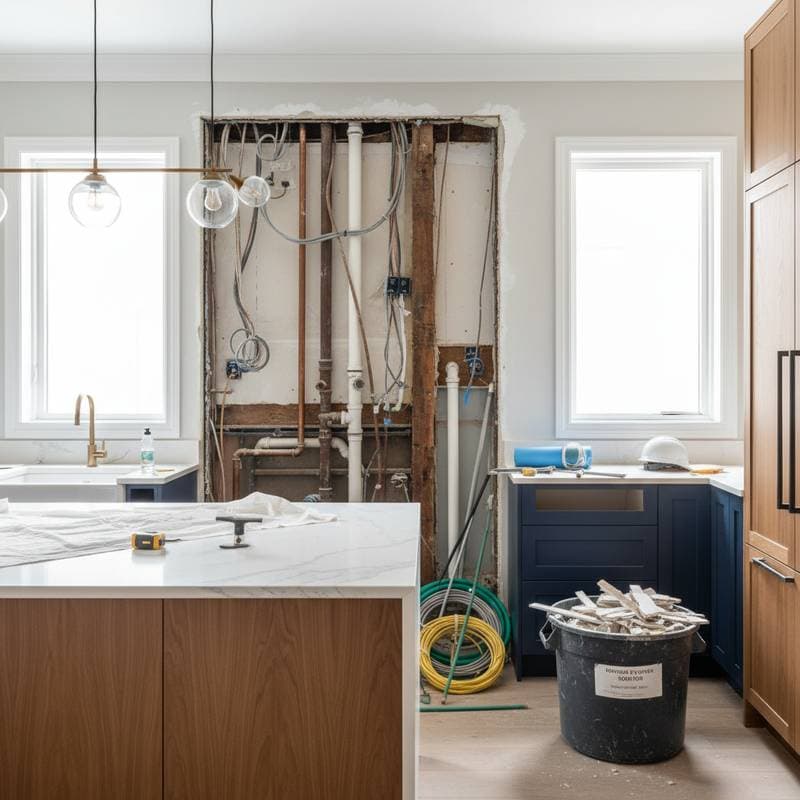
Demolition often reveals problems concealed within walls and floors. Contractors might discover outdated electrical wiring, uneven subfloors, or signs of water damage that demand immediate attention. For instance, in a Boston townhouse project, Clara Nguyen Interiors identified cracked subflooring beneath existing tiles, necessitating replacement plywood and added moisture protection. These repairs increase both time and expenses, but addressing them prevents long-term failures in new installations. To prepare, request a pre-demolition inspection to estimate such risks.
Expenses from Plumbing Adjustments
Relocating plumbing fixtures, even by a short distance, involves significant work that escalates costs. Extending pipes for a new sink position or dishwasher placement requires skilled labor, materials, and compliance with local codes. In an open-concept kitchen designed by Harrison & Reed Design, shifting an island sink demanded pipe extensions under the concrete slab, which added nearly one thousand dollars to the total. Review fixture layouts during the planning phase to minimize relocations, and obtain detailed quotes for any proposed changes.
Costs of Electrical System Upgrades
Contemporary kitchens require robust electrical capacity that older homes may lack. Incorporating features like under-cabinet illumination, high-power induction ranges, or integrated outlets often necessitates circuit enhancements or panel replacements. Leah Cortez Studio encountered this during a project where dimmable LED lighting and smart controls required a new breaker to satisfy building codes. Consult an electrician early to assess your home's electrical infrastructure and incorporate necessary upgrades into the initial budget.
Additional Charges for Cabinet Customizations
While stock cabinets offer affordability, even minor modifications can substantially raise prices. Adjusting heights, adding glass panels, or altering dimensions to fit unique items demands custom fabrication and extra labor. A personal project illustrated this when taller cabinets with glass doors accommodated a vintage teak bowl collection, increasing the cabinetry expense by twenty percent through frame alterations and specialized inserts. Specify all desired customizations in the design phase and compare quotes from multiple suppliers to control these fees.
Fees for Delivery and Waste Disposal
Renovation projects produce substantial debris, and removing old cabinets, appliances, or countertops incurs hauling charges not always included in base quotes. Similarly, transporting large items like quartz slabs or heavy appliances may involve specialized equipment and insurance. Baylight Renovations faced this in a coastal cottage remodel, where crane access for oversized countertops introduced unforeseen equipment rental costs. Clarify responsibility for delivery and disposal in the contract, and explore recycling options to reduce waste management expenses.
Impacts of Permit Processing and Inspections
Most kitchen remodels require permits, and delays in approval or inspection can extend timelines and inflate labor costs. Crews may idle while awaiting clearance, or temporary setups might become necessary. Mateo Ruiz Design Group recommends budgeting for permit fees and building buffer time into schedules to accommodate processing variations. Submit applications well in advance, and track progress to avoid penalties from rushed or incomplete submissions.
Strategies to Manage Renovation Expenses
A successful kitchen remodel balances aesthetics with practicality. By anticipating these hidden costs, homeowners gain confidence to prioritize design elements without constant financial worries. Establish a contingency reserve of ten to fifteen percent, scrutinize contract details line by line, and pose specific questions about inclusions. This preparation turns the renovation process into a rewarding endeavor that enhances home functionality for years.