

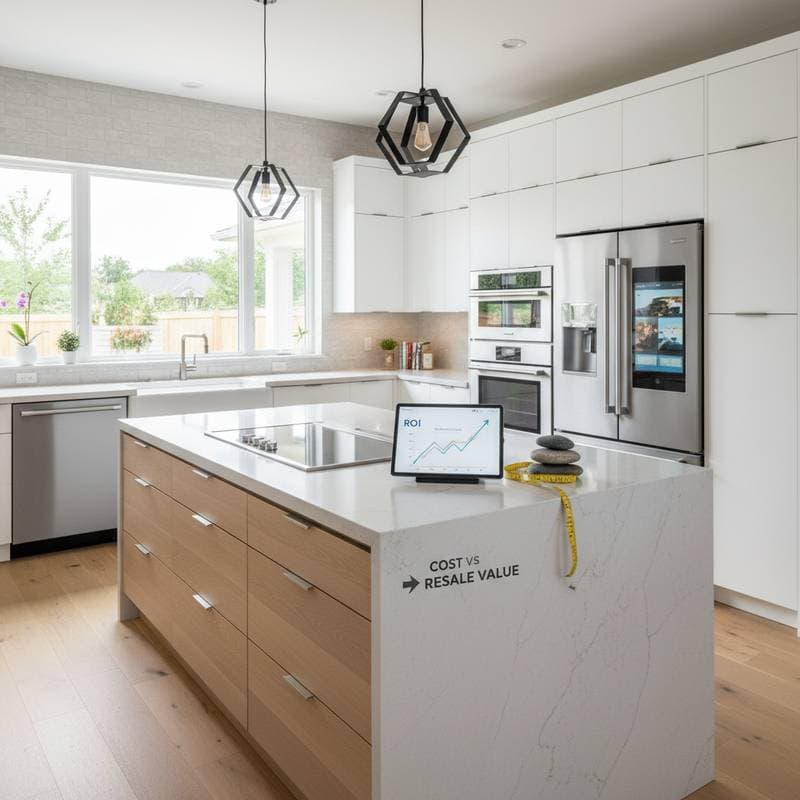
Kitchen Remodels That Deliver Strong ROI in 2026
The latest Remodeling Cost vs. Value Report from Zonda Media indicates that major kitchen remodels recover 42 to 57 percent of costs upon resale, whereas midrange updates often achieve around 70 percent. Kitchens rank among the top three home improvements for boosting resale value, but only 38 percent of projects stay within budget. Success hinges on strategic spending rather than total expenditure.
This article outlines proven approaches, expense breakdowns, and expert advice to optimize returns in the evolving 2026 housing market.
Understanding Market Valuation of Kitchens
Real estate experts note that buyers prioritize the kitchen when setting offer prices. A National Association of Realtors survey reveals that 80 percent of buyers pay a premium for homes featuring updated kitchens. However, returns vary based on project scope and alignment with local standards.
High-end remodels that surpass neighborhood averages yield lower returns. For instance, a $120,000 kitchen in a $350,000 home market seldom justifies the outlay. Midrange projects costing $30,000 to $70,000 align best with typical home values and buyer expectations.
Kurt Simmons, senior appraiser at Equity Valuation Partners, states, "Buyers value quality and utility over extravagance. A thoughtfully executed midrange remodel can increase resale value by 10 to 15 percent, whereas an overly lavish design may recover less than half its investment."
Assess your home's position in the local market before finalizing plans to ensure financial viability.
High-Impact Upgrades for 70% ROI
Focus on updates that enhance appeal without excessive costs. Prioritize these elements to achieve strong recoupment rates:
- Cabinet Refacing or Semi-Custom Units: Refresh existing cabinets with new doors and hardware for $8,000 to $15,000, recouping 70 to 80 percent. This approach modernizes appearance while preserving structure.
- Energy-Efficient Appliances: Install mid-tier models like stainless steel ranges and refrigerators for $7,000 to $10,000. These upgrades appeal to eco-conscious buyers and qualify for rebates, returning 65 to 75 percent.
- Quartz Countertops: Opt for durable, low-maintenance surfaces at $5,000 to $7,000. They resist stains better than granite and boost perceived value, often recouping 70 percent or more.
- LED Lighting and Under-Cabinet Fixtures: Add task lighting for $2,000 to $4,000. Improved illumination enhances usability and energy savings, with returns around 60 to 70 percent.
- Open Layout Adjustments: Remove non-load-bearing walls or islands for better flow, costing $10,000 to $20,000. This creates a welcoming space that increases buyer interest and recoups up to 75 percent.
Select upgrades based on your kitchen's current condition and target buyer demographics to maximize impact.
Breaking Down Remodel Costs
Midrange kitchen projects allocate funds across key areas. Review this distribution to guide budgeting:
| Category | Percentage of Budget | Cost Range |
|---|---|---|
| Cabinetry & Hardware | 28% | $14,000 - $21,000 |
| Appliances | 15% | $7,500 - $11,000 |
| Countertops | 11% | $5,500 - $8,000 |
| Flooring | 7% | $3,500 - $5,000 |
| Lighting & Electrical | 6% | $3,000 - $4,500 |
| Plumbing & Fixtures | 6% | $3,000 - $4,500 |
| Design & Permitting | 4% | $2,000 - $3,000 |
| Labor | 23% | $11,500 - $17,000 |
Regional factors influence these figures, but cabinetry, labor, and appliances dominate expenses. Choose semi-custom cabinets over bespoke options for better value, and select quartz over natural stone to minimize upkeep while supporting resale appeal.
Managing Timelines and Risks
Kitchen remodels span eight to twelve weeks from start to finish. Delays inflate costs through prolonged living disruptions and extra labor. Effective oversight prevents these issues.
Implement this checklist to mitigate risks:
- Secure all materials prior to demolition to sidestep supply chain interruptions.
- Schedule weekly reviews with your contractor to monitor milestones.
- Document every change in writing, including impacts on budget and timeline.
- Reserve 10 percent of the budget for unforeseen expenses until project closeout.
External factors like weather or permitting can arise, yet diligent management preserves schedules and finances.
Building a Reliable Professional Team
Engage specialists to elevate project quality and outcomes:
- Certified Kitchen Designers (CKD): They optimize layouts and source suitable products.
- Licensed Contractors: These professionals manage structural, electrical, and plumbing tasks in compliance with codes.
- Independent Appraisers: Consult them for valuations before and after to project ROI.
- Energy Auditors: They pinpoint efficiency improvements eligible for incentives.
Request client references, insurance verification, and portfolios of similar-budget work from candidates. A skilled team safeguards both craftsmanship and investment returns.
Evaluating Full ROI Spectrum
Resale gains represent one aspect of return; consider lifestyle and operational benefits as well. Effective remodels enhance daily use while building equity.
Key non-financial returns include:
- Energy Savings: Updated appliances and lighting reduce bills by up to 20 percent.
- Lower Maintenance: Resilient materials decrease future repair needs.
- Faster Sales: Modern kitchens cut market time by 30 percent on average.
Balance these elements when assessing success. A remodel that aligns with practical needs and market demands yields the most comprehensive value.
Securing Long-Term Value from Your Remodel
Approach renovations with data-informed choices and expert input to foster lasting benefits. Disciplined planning not only grows home equity but also streamlines home life for years ahead.