
Budget Busters: Hidden Costs in 2026 Kitchen Remodels
Homeowners often envision a modern kitchen equipped with sleek quartz countertops, efficient soft-close cabinetry, and ambient lighting that enhances daily routines. However, initial estimates rarely account for all variables, leading many to exceed their budgets. A recent national survey indicates that over 50 percent of kitchen renovation projects surpass planned expenditures due to unforeseen issues that arise during demolition and construction.
These surprises typically emerge once work begins, with contractors identifying problems such as outdated wiring or concealed water damage. The result is added stress and financial strain at a time when patience already wears thin amid dust and disruption. To navigate this effectively, understanding the primary hidden costs proves essential for informed planning and realistic expectations.
This article examines key budget pitfalls specific to 2026 remodels, influenced by rising material prices and stricter building codes. By anticipating these elements, readers can develop a comprehensive budget that safeguards their investment and timeline.
1. Electrical and Plumbing Surprises
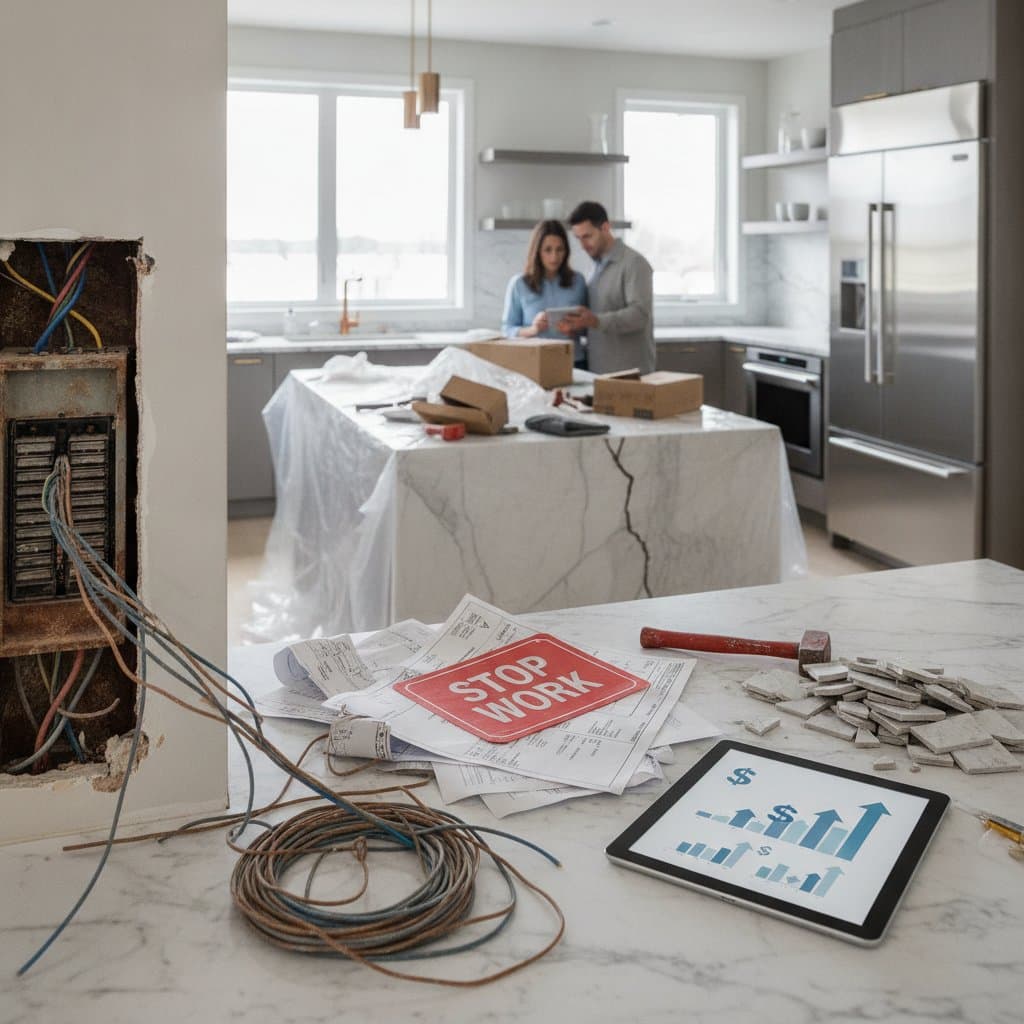
Older homes frequently conceal outdated electrical systems or corroded plumbing lines, which become evident only after cabinets and appliances are removed. In 2026, updated energy efficiency standards will demand compliance with new codes, potentially requiring full rewiring or pipe replacements to support modern appliances like induction ranges or smart refrigerators.
Remodeling expert Sarah Kline notes, "Plumbing and electrical work often doubles initial estimates when surprises appear. Homeowners should budget for inspections upfront to avoid mid-project halts."
Common expenses include:
- Electrical panel upgrades: $1,500 to $4,000, necessary for high-power appliances and code compliance.
- Wiring reruns: $800 to $2,500, especially in kitchens with multiple circuits for lighting and outlets.
- Plumbing relocations or repairs: $1,000 to $3,500, covering leaks, drain issues, or gas line adjustments for stoves.
Practical advice: Schedule a professional inspection of electrical and plumbing systems before finalizing designs. This step identifies potential problems early, allowing integration into the original quote rather than as change orders.
2. Structural Adjustments You Did Not Anticipate
Achieving an open-concept layout by removing non-load-bearing walls seems straightforward until underlying issues surface. Load-bearing elements, subfloor irregularities, or weakened joists may require immediate attention to ensure safety and stability.
Engineer and remodel consultant Daniel Price states, "Every time you open a wall, you risk discovering something that needs reinforcement. Even minor structural fixes can run into the thousands."
Anticipated costs:
- Beam replacements or supports: $2,000 to $10,000, depending on the span and materials used.
- Floor leveling: $1,000 to $3,000, to correct uneven foundations that affect cabinet installation.
- Framing corrections: $500 to $2,000, for reinforcing areas exposed during demolition.
Budget protection strategy: Engage a structural engineer during the planning phase to assess your home's framework. Although this incurs an initial fee of $300 to $800, it prevents costly delays and ensures designs align with the property's integrity.
3. Delivery Delays and Supply Chain Disruptions
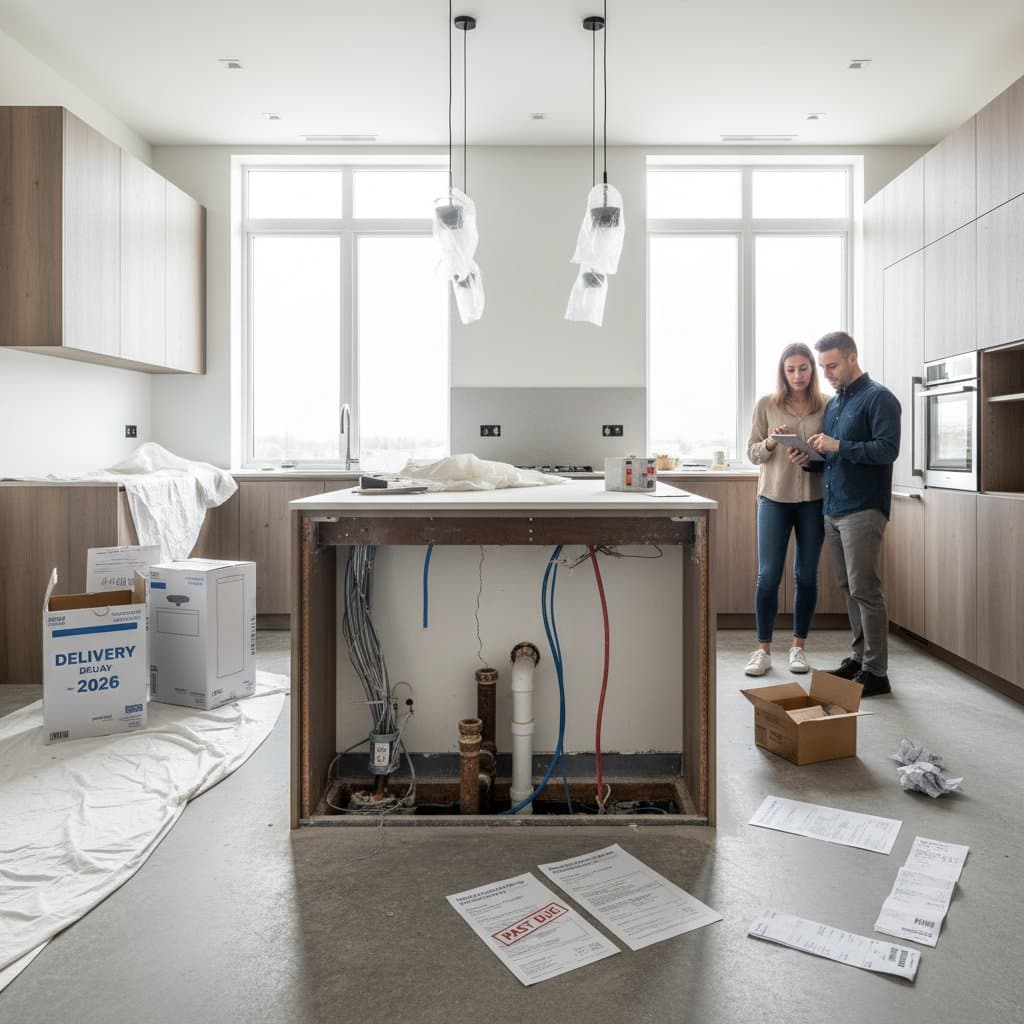
Global supply chains remain volatile, and 2026 projections indicate continued challenges with imported materials like custom cabinetry or specialty tiles. Delays not only extend timelines but also trigger labor holding fees or temporary storage costs.
Contractors report that popular finishes, such as matte black fixtures or sustainable bamboo flooring, face backorders lasting weeks or months. These interruptions compound when combined with labor shortages in high-demand remodeling seasons.
Potential financial impacts:
- Extended labor charges: $500 to $2,000 per week for on-site crews waiting on materials.
- Storage and rush shipping fees: $300 to $1,500, to expedite orders and avoid further downtime.
- Price escalations: 10 to 20 percent increases on materials due to market fluctuations during delays.
Mitigation steps: Select suppliers with strong local inventories and build buffer time into your schedule, aiming for three to four weeks beyond standard lead times. Opt for versatile, readily available alternatives to high-risk custom items without sacrificing style.
4. Permit Fees and Inspections
Municipal regulations vary widely, and overlooking them can halt progress or incur penalties. Permits ensure compliance with safety and zoning laws, particularly for changes involving electrical, plumbing, or structural modifications.
In 2026, enhanced environmental standards may introduce additional requirements, such as energy audits or waste disposal certifications, increasing scrutiny on remodels.
Standard fee ranges:
- Building permits: $200 to $1,000, based on project size and location.
- Electrical and plumbing inspections: $150 to $500 each, required for code verification.
- Total for comprehensive projects: $500 to $2,500, including zoning reviews if layout changes affect square footage.
Cost-control measure: Request your contractor to include a detailed permit breakdown in the preliminary bid. Research local requirements through city websites to verify estimates and avoid fines ranging from $100 to $1,000 per violation.
5. Finishing Touches and Appliance Integration
Beyond core construction, integrating appliances and adding finishes often reveals mismatches or upgrades. For instance, new refrigerators may not fit existing spaces, necessitating cabinet adjustments, while painting or trim work uncovers surface imperfections.
These details accumulate, especially with smart home integrations that require additional wiring for connectivity.
Overlooked expenses:
- Appliance modifications: $400 to $1,200, for custom panels or venting adaptations.
- Painting and trim updates: $600 to $2,000, to match new elements seamlessly.
- Lighting and hardware installations: $300 to $800, including dimmers or under-cabinet fixtures.
Efficiency tip: Create detailed measurements and 3D models during design to preview integrations. Allocate a separate line item in your budget for these refinements, typically 5 to 10 percent of the total.
Strategies to Secure Your Budget
Start by obtaining quotes from at least three reputable contractors, each providing itemized estimates that cover labor, materials, and contingencies. Incorporate a 15 to 20 percent buffer to absorb surprises without derailing the project.
Document all agreements in writing, including timelines and change order protocols, to maintain accountability. Regularly review progress with your team to address issues promptly.
Ultimately, thorough preparation transforms potential obstacles into manageable aspects of the process. This approach allows focus on creating a functional, aesthetically pleasing kitchen that enhances your home for years to come.