15 Hidden Costs in Kitchen Remodeling That Surprise Homeowners
The initial plan for a kitchen remodel often involves visions of sleek countertops, modern appliances, and efficient layouts. However, many homeowners discover that the process reveals expenses not accounted for in the original budget. These surprises can range from structural discoveries to logistical fees, turning a straightforward project into a financial challenge.
To help you prepare, the following list outlines 15 frequently overlooked costs. Understanding these in advance allows for better planning and fewer disruptions during the renovation.
1. Electrical Upgrades You Did Not Anticipate
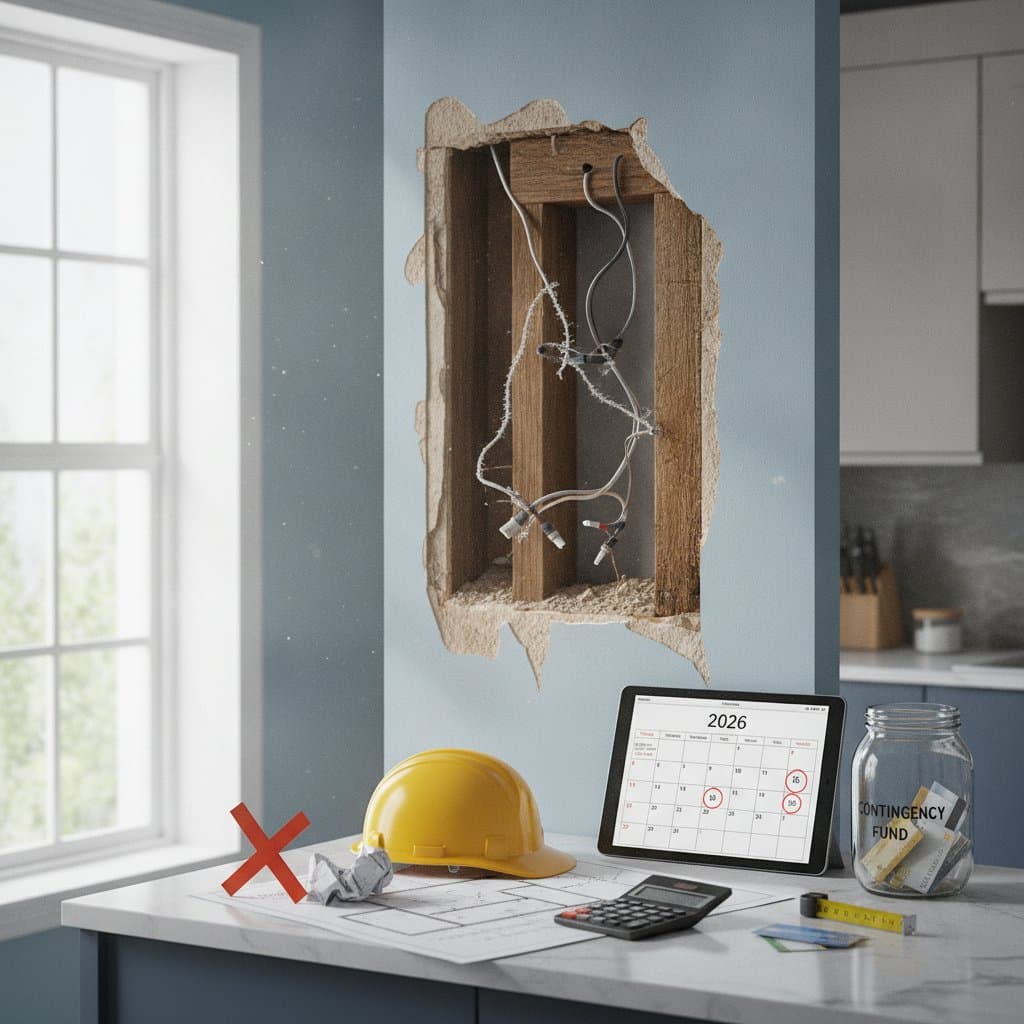
Existing wiring in older homes may not support the demands of contemporary appliances such as high-powered ovens or induction cooktops. Adding features like under-cabinet lighting, exhaust fans, and multiple outlets often requires new circuits or an updated electrical panel. Consult a licensed electrician early to assess needs and obtain a detailed quote, which can prevent delays and add thousands to the total cost.
2. Plumbing Issues Concealed Behind Fixtures
In homes built decades ago, pipes hidden behind cabinets may show signs of corrosion, leaks, or improper installations. Removal of old units frequently exposes these problems, necessitating immediate repairs to avoid water damage. Schedule a professional inspection before demolition to identify potential issues and incorporate fixes into the initial budget.
3. Floor Leveling and Subfloor Repairs
Ideal flooring options like hardwood, porcelain tiles, or resilient vinyl require a stable, even base for proper installation. Uneven subfloors, common in older structures, demand grinding, shimming, or replacement to ensure longevity and functionality. Factor in this step by including a pre-installation survey in your contractor's scope of work.
4. Delivery and Storage Expenses
Large items such as custom cabinets and heavy appliances incur significant shipping fees, particularly for specialized materials like natural stone countertops. Delays in the project timeline may also require off-site storage to protect deliveries from weather or theft. Select suppliers who offer transparent pricing on logistics and build buffer time into your schedule.
5. Waste Removal and Disposal Fees
Demolition generates substantial debris, including cabinets, tiles, and flooring materials that require proper disposal. If not specified in the contractor's bid, you will handle skip rentals, hauling, and compliance with local regulations on construction waste. Obtain quotes for waste management services upfront and recycle where possible to reduce costs.
6. Unexpected Structural Modifications
A planned wall removal or cabinet relocation might reveal load-bearing elements or sagging joists that demand reinforcement. Hiring a structural engineer for evaluation ensures safety but adds professional fees and potential material expenses. Review building plans with an expert during the design phase to spot these risks early.
7. Plumbing Relocation Challenges
Shifting a sink or dishwasher involves rerouting pipes, which increases costs with each additional length of tubing, joint, and labor hour. Complex paths through floors or walls amplify the expense. Design your layout to align with existing plumbing lines unless the benefits justify the investment.
8. Ventilation and Extraction System Adjustments
Installing a new range hood requires proper ducting, often through walls or ceilings, to effectively remove cooking fumes. In some cases, creating external vents becomes necessary, involving cutting and sealing work. Verify local codes for ventilation requirements and include duct installation in your appliance specifications.
9. Lighting Installation Beyond Basic Fixtures
Ambient lighting enhances kitchen functionality, but recessed cans, pendant lights, and task strips demand extensive wiring and controls like dimmers. These elements elevate the electrician's labor and material charges. Develop a lighting plan with a designer to balance aesthetics and budget constraints.
10. Cabinet Customizations and Finishing Details
Stock cabinets provide a strong foundation, yet custom end panels, fillers, hardware, and moldings elevate the final appearance. These add-ons are typically extra and essential for a seamless look. Visit showrooms to note included versus optional features and allocate funds accordingly.
11. Post-Installation Painting and Finishing
Dust and construction damage often leave walls and ceilings requiring repair and repainting after the main work concludes. Patchy plaster from drilling or wiring may necessitate professional touch-ups. Prepare by protecting surfaces during installation and budgeting for a full decorating phase at the end.
12. Appliance Installation Charges
Free delivery does not cover hookup for gas, electrical, or venting systems in items like ranges or dryers. Certified technicians ensure compliance and safety, avoiding voided warranties. Confirm installation inclusions with retailers and schedule professionals in advance to integrate with the overall timeline.
13. Worktop Fabrication and Installation
Countertops in materials like granite or quartz involve precise cutting for sinks, appliances, and edges, plus sealing to prevent stains. Specialized tools and expertise drive up fees for on-site fitting. Measure spaces accurately during planning and select fabricators who provide templating services.
14. Temporary Living Arrangements
With the kitchen unavailable for weeks, meals shift to alternatives like takeout or makeshift setups, accumulating unexpected expenses. Families may improvise with portable appliances in other rooms, adding to daily inconveniences. Plan for this by stocking non-perishable foods and estimating disruption costs in your budget.
15. Finishing Touches and Incremental Additions
After core installation, small items like coordinated accessories, rugs, or stools tempt further spending to complete the vision. These non-essentials can accumulate if not monitored. Create a prioritized list of must-haves versus nice-to-haves to curb impulse purchases.
Strategies to Safeguard Your Renovation Budget
A contingency reserve of 10 to 15 percent of the total project cost provides a buffer for discoveries like outdated wiring or moisture issues. Request detailed, line-item quotes from contractors to clarify inclusions and exclusions. Persistent questioning about ambiguities fosters transparency and prevents mid-project escalations.
Managing Renovation Disruptions
Construction dust permeates the home, so containment measures like plastic sheeting and air purifiers help maintain livability. Simple setups, such as a temporary beverage station, sustain routines during the process. Maintaining perspective through small comforts eases the transition.
Maximizing Your Updated Kitchen
Once complete, use the space intentionally by hosting gatherings or preparing favorite meals. This phase reinforces the investment's value. Regular maintenance preserves the design and functionality for years ahead.