
Introduction to Kitchen Remodel Budget Challenges
Kitchen renovations promise transformation, yet they often exceed budgets by 30 percent or more. This overspend stems from overlooked details that accumulate into significant expenses. Understanding these hidden traps equips homeowners to plan wisely and achieve their vision without financial strain.
Industry data reveals that electrical updates, structural surprises, and material fluctuations contribute heavily to these overruns. By anticipating issues early, you maintain control over costs. The following sections outline five common hidden traps and strategies to navigate them.
Hidden Trap 1: Underestimating Permitting and Inspection Costs
Permits represent a foundational yet frequently minimized expense in kitchen remodels. Local regulations vary, and failure to secure approvals can halt progress, leading to fines or rework. For instance, altering electrical systems or moving load-bearing walls requires specific inspections that add both time and money.
Homeowners often budget only for basic permits, ignoring fees for plumbing or ventilation reviews. These can total thousands in unexpected charges. Early consultation with local authorities prevents such disruptions.
Strategies to Mitigate
- Research local building codes before designing.
- Include a 10 percent buffer in your permit allocation.
- Hire a permit expediter if regulations prove complex.
Addressing permits upfront ensures smooth workflow and avoids penalties.
Hidden Trap 2: Surprise Structural and Utility Discoveries
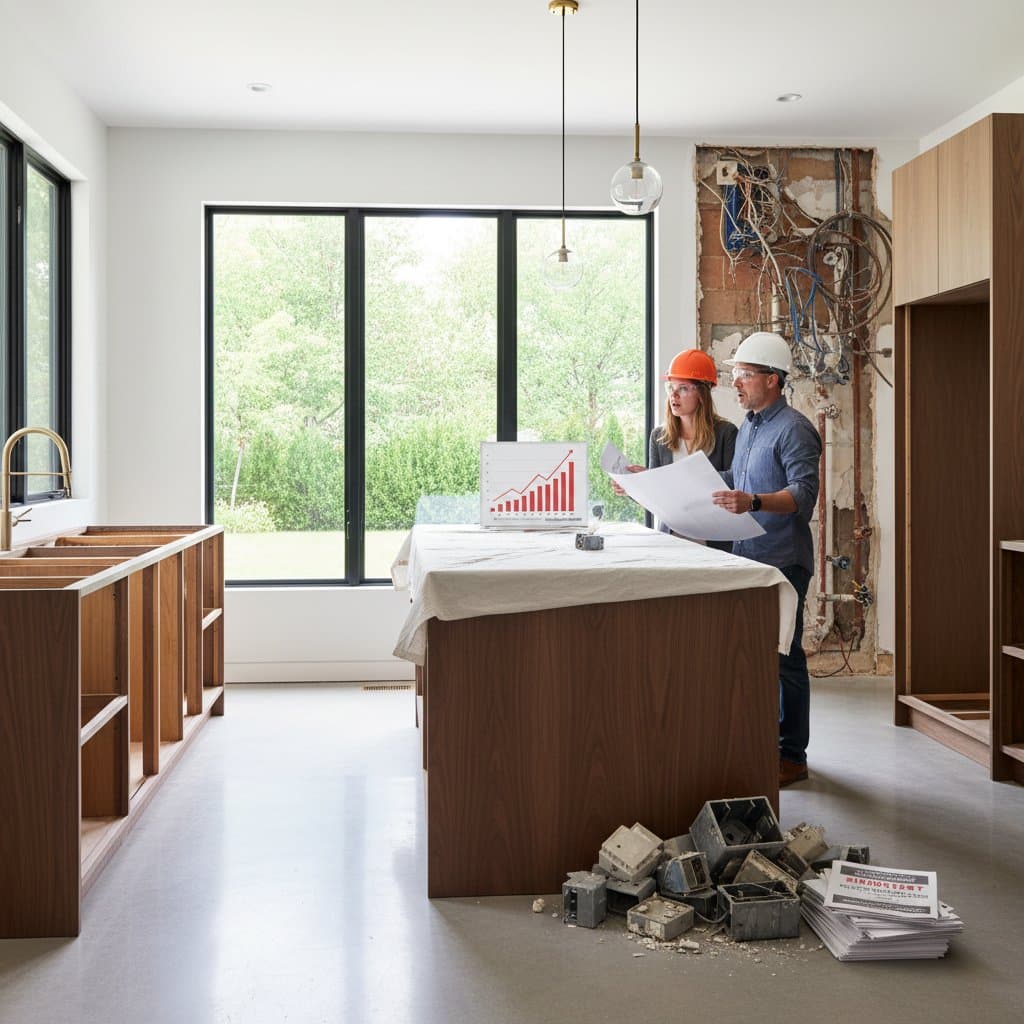
Demolition frequently reveals issues concealed behind cabinets or beneath flooring, such as outdated wiring or water damage. These discoveries demand immediate attention, inflating costs beyond initial estimates. A simple remodel can escalate when foundational repairs become necessary.
Contractors report that 40 percent of projects encounter utility surprises, like asbestos in older homes or non-compliant gas lines. Ignoring these risks leads to emergency fixes at premium rates.
Protection Measures
- Conduct a pre-demolition inspection with a structural engineer.
- Allocate funds for potential remediation in your baseline budget.
- Document all findings to negotiate adjustments with your contractor.
Proactive assessments transform potential crises into manageable adjustments.
Hidden Trap 3: Appliance and Fixture Delivery Delays
Selecting appliances excites homeowners, but delivery timelines often clash with project schedules. Custom orders for ranges or refrigerators may arrive late, idling workers and accruing storage or rescheduling fees. Poor planning here disrupts the entire timeline.
Verify dimensions early to account for installation needs. An appliance swap mid-project can delay installation, forcing contractors to reschedule other work, which might carry additional fees.
Delivery Planning Tips
- Ask for delivery measurements: Include space for doors, handles, and installation clearance.
- Order essentials first and stage deliveries to align with construction phases.
- Build in a two-week buffer for shipping delays.
Coordinated logistics keep momentum and curb ancillary costs.
Hidden Trap 4: Material Price Volatility and Sourcing Errors
Market fluctuations affect cabinetry, countertops, and tiles, with prices rising unexpectedly due to supply chain issues. Homeowners who lock in quotes without contracts face hikes upon purchase. Sourcing from unverified suppliers can also introduce subpar quality, necessitating replacements.
In 2026, sustainable materials like quartz and bamboo see increased demand, driving up costs. Vague specifications in plans exacerbate mismatches between vision and reality.
Sourcing Safeguards
- Secure fixed-price contracts for major materials.
- Visit showrooms to confirm selections and availability.
- Monitor industry trends quarterly to adjust budgets accordingly.
Firm commitments stabilize expenses amid economic shifts.
Hidden Trap 5: Change Orders and Scope Creep
Few elements induce more anxiety in a renovation than change orders. Sometimes they prove unavoidable, such as addressing a hidden leak. Other instances arise from design indecision or last-minute upgrades.
Contractor and project manager Erin Douglas of BuildRight Renovations states, "Homeowners who make major design changes midstream often underestimate how much that affects everything else. Even moving a sink six inches can mean new plumbing, countertop cuts, and drywall repair."
Budget Protection Tips
- Stick to your plan: Finalize design details before work begins.
- Review each change order: Ensure you understand both labor and material impacts before approving.
- Keep a contingency fund: Experts recommend reserving 15 to 20 percent of your total for unplanned expenses.
Change orders remain manageable if you treat them as exceptions, not habits.
Strategies for a Budget-Conscious Remodel
Achieving your dream kitchen without depleting savings requires disciplined planning. Start by gathering multiple estimates from reputable contractors. Compare at least three detailed quotes, focusing on itemized breakdowns rather than lump sums.
Transparency in costs reveals opportunities to trim without sacrificing quality. Set clear priorities: identify must-have features that warrant investment and defer non-essentials. Track expenditures weekly to catch small overruns before they escalate.
Financial advisor Laura Kent recommends a dedicated renovation savings account. "Keeping funds separate makes it easier to monitor spending and prevents accidental overlap with everyday expenses," she says.
Consider timing your project for the contractor's off-peak season. Labor rates may dip slightly, and you receive heightened attention to detail. These steps collectively guard against the 30 percent overspend.
Maintaining Your Investment Post-Renovation
Once completed, your kitchen enhances daily life and property value. Organize all documentation, including warranties and receipts, for easy access. This practice simplifies future repairs and boosts resale appeal.
Regular maintenance preserves the investment. Schedule annual checks for appliances and surfaces to extend longevity. Enjoy the space knowing your planning secured lasting benefits without regret.