Understanding the Costs of Modular Kitchen Cabinets in 2026
Planning a kitchen renovation often begins with excitement over design possibilities. However, the financial aspect quickly grounds those visions in reality. Modular kitchen cabinets offer flexibility and efficiency, yet their pricing depends on several variables that require careful consideration to achieve a balance between aesthetics and affordability.
Expectations Versus Practical Outcomes
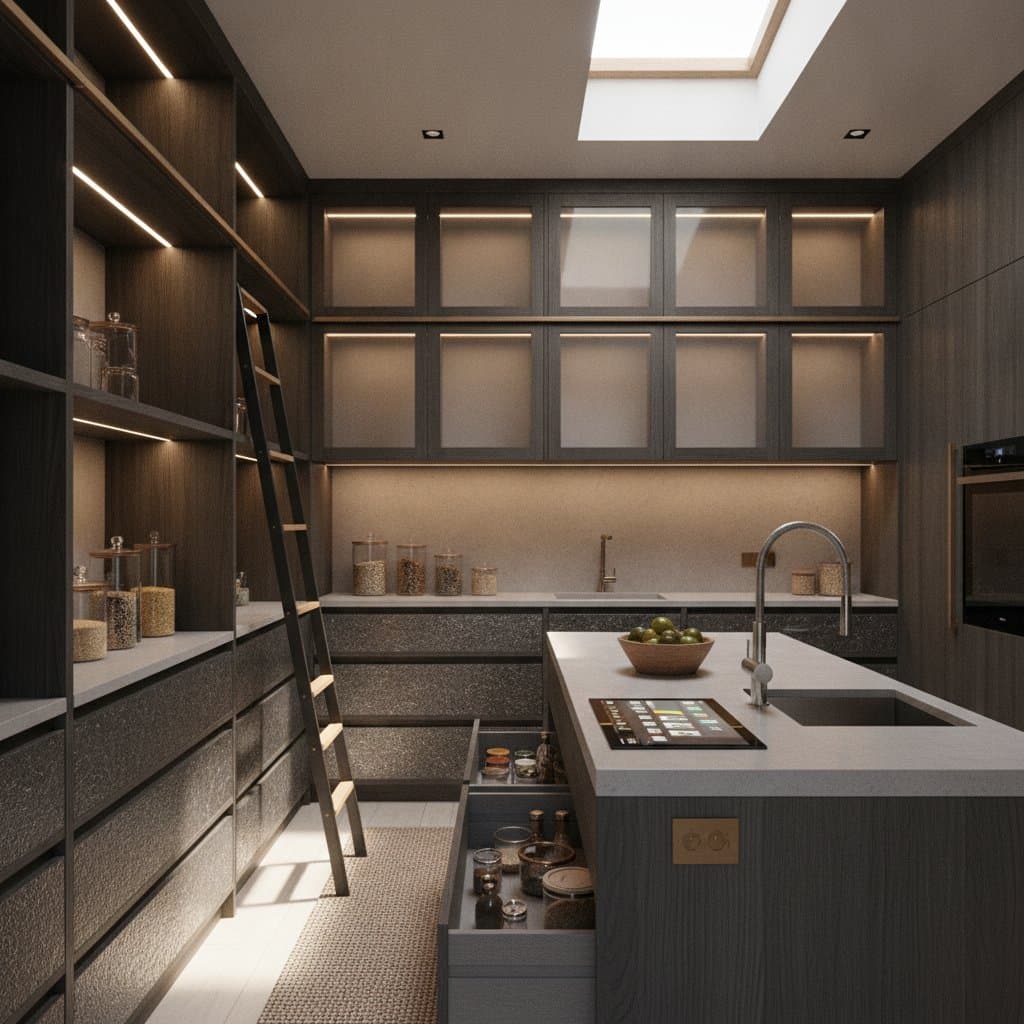
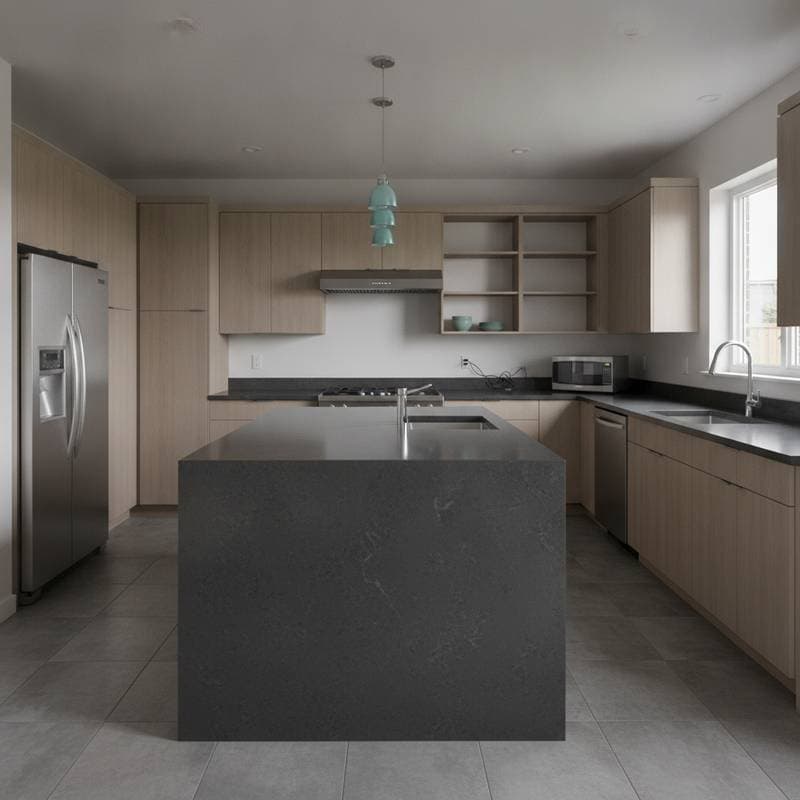
Idealized images of kitchens show seamless integration and effortless functionality. In practice, the installation process involves coordination of components and adjustments to existing spaces. Despite these challenges, a well-chosen modular system delivers a durable, user-friendly environment that enhances daily routines.
Key Components of Pricing
The cost structure of modular kitchen cabinets revolves around materials, hardware, and personalization options. Each element contributes to the overall investment and influences long-term satisfaction.
-
Materials Selection: Entry-level cabinets typically use medium-density fiberboard (MDF) or particleboard cores with laminate surfaces. These provide a cost-effective foundation but may wear under heavy moisture or impact. Higher-end choices, such as plywood or solid hardwood, offer superior durability and resistance, justifying the increased expense through extended lifespan and minimal maintenance.
-
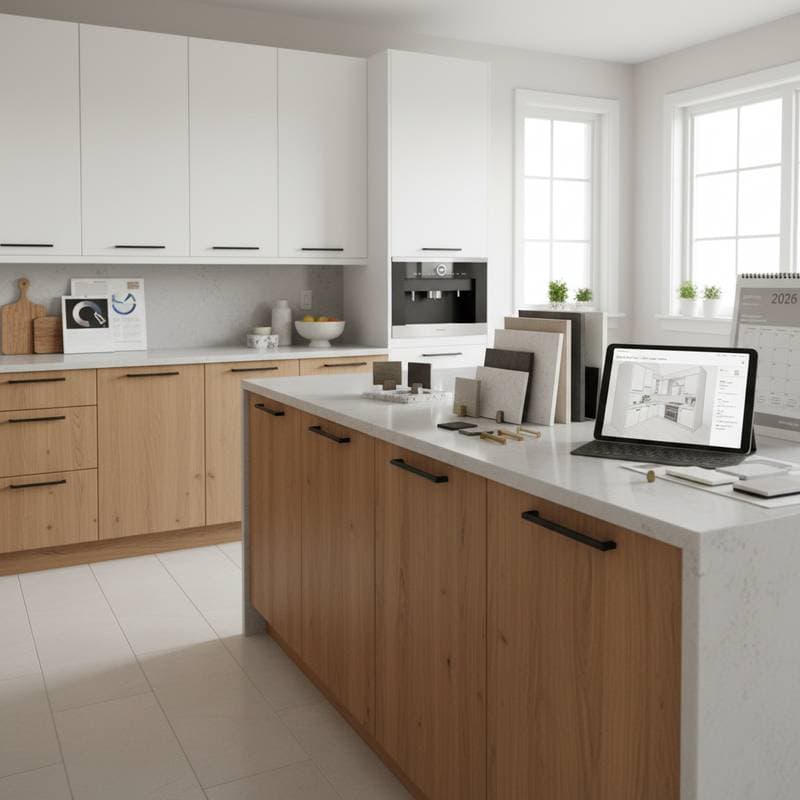
Surface Treatments and Accessories: Basic laminates maintain affordability, while acrylic or high-gloss lacquers elevate visual appeal. Hardware like soft-closing hinges and full-extension drawer slides enhances usability. These features prevent common frustrations, such as slamming doors, and add value by improving accessibility in tight spaces.
-
Customization Levels: Standard modular units keep costs predictable, but modifications like integrated spice racks or adjustable shelving introduce variability. Evaluate which additions address specific needs, such as storage for large cookware, to avoid unnecessary expenditures on decorative elements.
Pricing Categories and Estimates
Modular kitchen cabinets fall into distinct tiers based on quality and features. These categories help narrow options according to project scope and financial limits.
-
Entry-Level Options: These include prefabricated units with simple laminates and basic hardware, ideal for small spaces or interim renovations. Expect costs around 150 to 300 dollars per linear foot, focusing on functionality over flair.
-
Mid-Tier Selections: This range incorporates upgraded materials like plywood fronts and enhanced fittings, suitable for primary residences. Pricing typically spans 300 to 600 dollars per linear foot, allowing for moderate customization without excessive outlay.
-
Luxury Configurations: Premium setups feature solid woods, designer finishes, and advanced mechanisms like motorized cabinets. These command 600 to 1,000 dollars or more per linear foot, best for those prioritizing aesthetics and innovation.
Factors such as kitchen dimensions and location further impact totals. For a standard 10-foot linear run, budgets should allocate 50 percent to cabinets, reserving the balance for surfaces, fixtures, and labor. Regional variations, including shipping and installation fees, can add 20 to 30 percent in urban areas.
Strategies for Cost Efficiency
Smart decisions during planning can significantly reduce expenses while preserving quality. Focus on proven tactics that align with modular design principles.
-
Opt for Standard Measurements: Deviating from predefined sizes escalates fabrication charges. Standard widths of 24 or 30 inches and heights of 34 inches streamline production and fitting, often saving 15 to 25 percent.
-
Prioritize Essential Features: Advanced gadgets like rotating carousels appeal in demos but complicate repairs. Select reliable basics, such as dovetail joints for drawers, to ensure longevity without premium pricing.
-
Blend Material Choices: Apply high-end finishes to eye-level cabinets and economical ones to base units. This approach maintains a cohesive look at a fraction of full-custom costs, typically reducing material expenses by 10 to 20 percent.
-
Optimize Spatial Design: Employ the work triangle concept to position core elements efficiently. This minimizes cabinet requirements, potentially cutting the total by eliminating redundant storage and improving workflow.
Maximizing Long-Term Value
After installation, the kitchen evolves into a central hub for meals and gatherings. Attention to durable components ensures it withstands regular use, from spills to heavy loads. Regular maintenance, like sealing wood surfaces annually, extends performance and protects the investment.
Integrating Functionality into Daily Use
A successful modular kitchen adapts to individual habits, whether for quick breakfasts or elaborate dinners. By focusing on practical storage and ergonomic layouts, the space fosters efficiency and enjoyment. This thoughtful approach transforms costs into enduring benefits, creating a environment that supports lifestyle needs for years ahead.