

Unforeseen Expenses in 2026 Kitchen Remodels: Strategies to Safeguard Your Budget
Homeowners often imagine a kitchen that enhances daily life, featuring durable surfaces and intuitive storage. Initial quotes appear reasonable, yet accumulating charges can exceed expectations. These concealed expenses infiltrate well-intentioned projects, shifting focus from creativity to cost management.
Recognizing potential pitfalls enables better preparation. Kitchen renovations rank among the most impactful home improvements, yet their intricacy demands thorough foresight. Proactive measures ensure the endeavor remains enjoyable and fiscally sound.
1. Structural Issues Revealed During Demolition
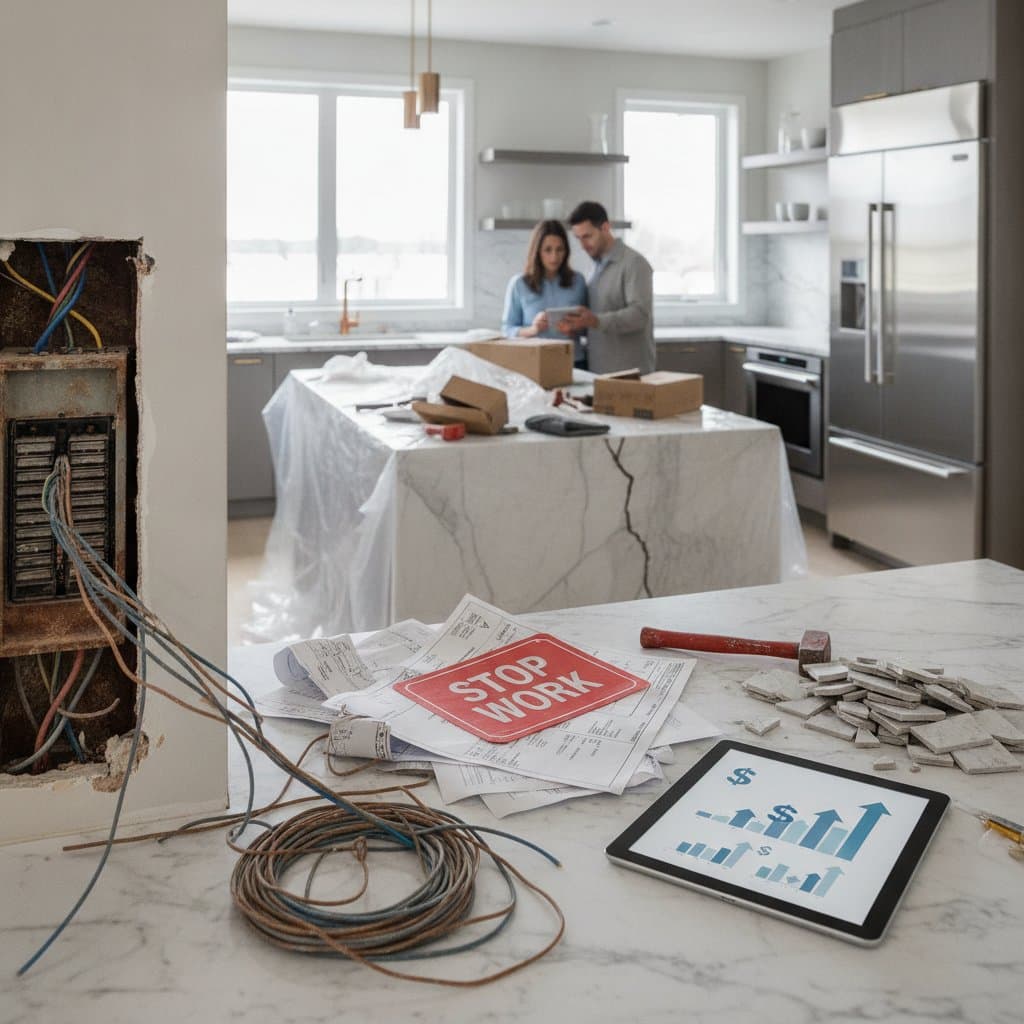
Demolition exposes problems invisible in preliminary assessments, such as deteriorated joists or non-compliant framing. In homes constructed before 1970, lead paint or asbestos remediation may arise, requiring specialized handling. Electrical updates to meet current standards, like GFCI outlets, further escalate expenses.
Allocate 10 to 15 percent of the total budget as a contingency reserve. Consult historical records for your property to identify era-specific risks. Instruct contractors to pause work upon discovery and provide immediate cost assessments for informed decisions.
2. Full Scope of Custom Cabinet Expenses
Cabinets typically account for 30 to 40 percent of renovation funds, with bespoke units introducing layered charges. Premium woods like cherry incur higher material fees, while features such as dovetail joints or integrated lighting add labor intensity. Minor alterations, including pull-out shelves, accumulate rapidly.
Opt for semi-custom cabinets to balance uniqueness and affordability, often saving 20 to 30 percent over fully bespoke. Demand itemized quotes covering fabrication, transport, and on-site assembly. Prioritize essential customizations, like corner access solutions, to allocate resources effectively.
3. Electrical System Enhancements for Contemporary Needs
Today's kitchens accommodate power-hungry devices, necessitating additional circuits and USB-integrated outlets. An undersized service panel from the 1960s might require a full upgrade to 200 amps, involving panel replacement and conduit installation. Such work disrupts schedules and budgets alike.
Map electrical requirements during the design phase, specifying zones for appliances and ambient illumination. Integrate smart switches and recessed fixtures upfront to minimize retrofits. Engage a licensed electrician for a pre-project audit to forecast and budget for capacity expansions accurately.
4. Expenses Associated with Relocating Plumbing Fixtures
Shifting a dishwasher or installing a beverage center demands precise pipe adjustments, often penetrating slabs or studs. Distances exceeding five feet can double labor costs due to material needs and code-mandated venting. Floor-level modifications in multi-story homes complicate the process further.
Evaluate layout efficiency through 3D modeling before committing to changes. Explore alternatives like flexible supply lines for minor shifts to curb expenses. Schedule joint reviews between plumbers and designers to align plans and prevent rework.
5. Regulatory Permits and Compliance Inspections
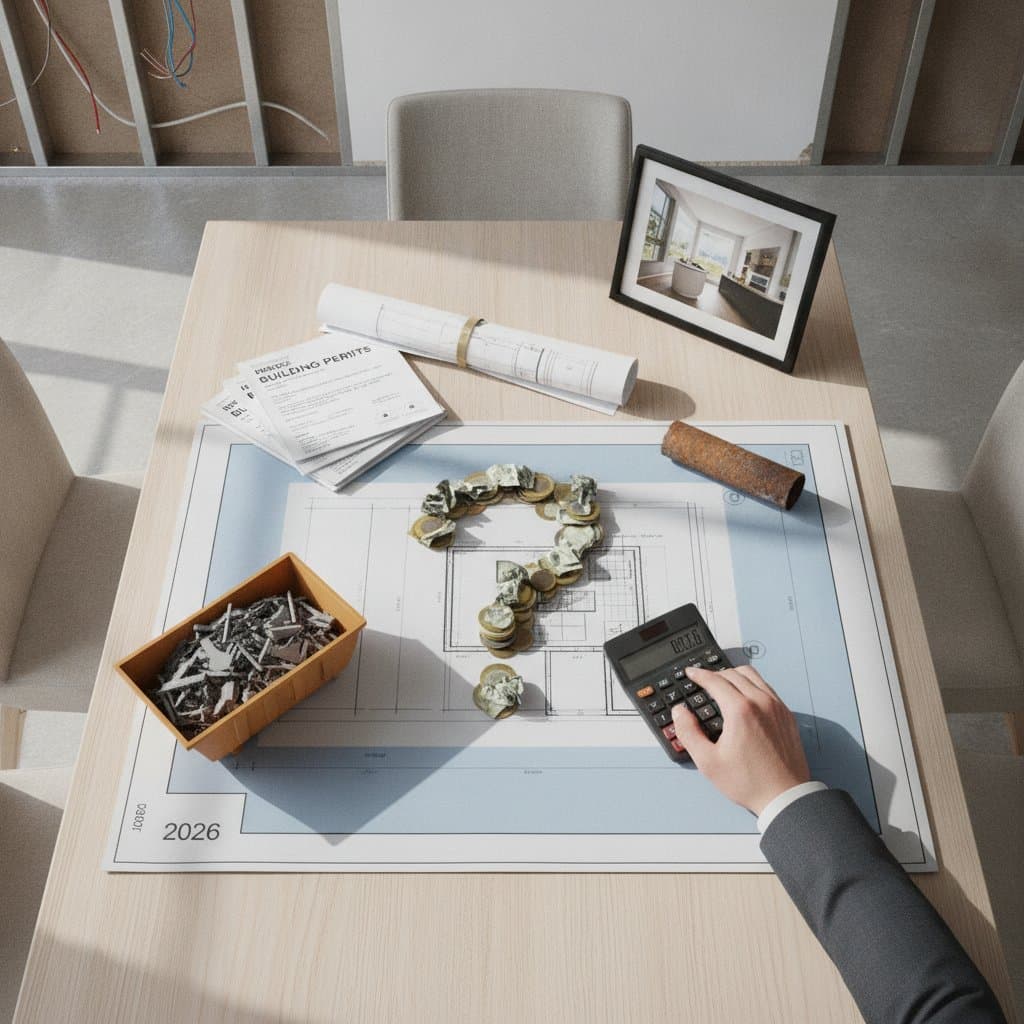
Local jurisdictions mandate approvals for alterations affecting safety systems, with fees ranging from $200 to $1,000 per category. Electrical overhauls or load-bearing modifications trigger multiple reviews, each incurring inspection charges. Delays from rescheduling extend timelines by weeks.
Incorporate permitting into the contractor's proposal and designate responsibility clearly. Research municipal requirements online or via planning offices early. Adhering to codes avoids future liabilities, such as insurance denials or resale hurdles.
6. Comprehensive Appliance Integration Costs
Retail prices overlook logistics, including white-glove delivery for oversized items and old-unit removal. Gas range hookups may necessitate venting extensions, while built-in refrigerators demand custom paneling. These services vary by provider, often adding 10 to 15 percent to appliance totals.
Compare total ownership costs across vendors, verifying inclusions like hookups and warranties. Select ENERGY STAR models to offset long-term utility bills. Coordinate delivery timing with construction milestones to integrate seamlessly.
7. Accumulating Costs of Aesthetic Details
Backsplashes in premium glass or metallic finishes multiply expenses across square footage, while varied knob styles per drawer inflate hardware bills. Paint matching for trim or sealant applications contribute subtly yet significantly. Overlooking these leads to rushed, suboptimal choices.
Establish a prioritized list: designate focal points like a herringbone tile pattern for impact, then select cost-effective complements. Sample materials in situ to confirm harmony. Track expenditures in a dedicated spreadsheet for ongoing oversight.
8. Disruptions from Relocation During Construction
Extended downtime, typically four to eight weeks, prompts reliance on external dining or makeshift setups. Frequent meals away accumulate $50 to $100 daily, plus purchases of disposables and compact cookware. Dust and noise exacerbate living discomfort.
Designate a utility space with essentials like a hot plate and cooler in advance. Batch-prepare freezer meals to minimize outings. Discuss phased construction with your team to restore partial functionality sooner.
Implementing a Resilient Renovation Plan
Approach kitchen updates with foresight to maximize satisfaction. Develop a detailed budget incorporating buffers for variables, and foster transparent dialogue with professionals throughout. These practices transform potential challenges into manageable elements.
Ultimately, a strategic remodel yields enduring functionality and aesthetic appeal. By addressing these expenses proactively, homeowners secure a space that enriches routines without lingering fiscal burdens.