

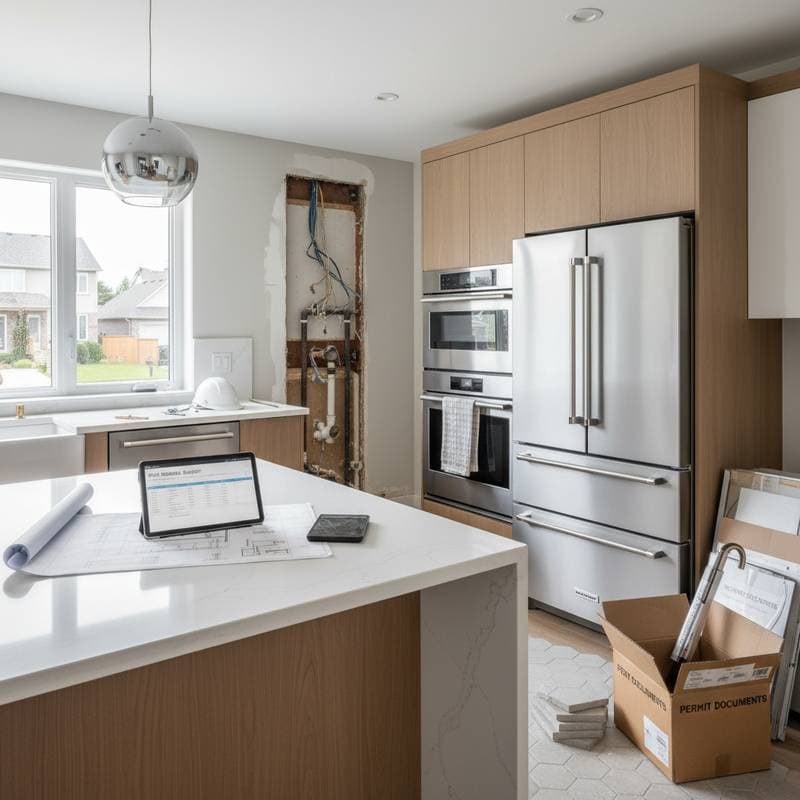
Avoid These 15 Hidden Costs in a Kitchen Remodel
Imagine the excitement of planning a kitchen remodel, envisioning sleek countertops and efficient storage. Reality sets in quickly when unexpected expenses arise, turning a controlled project into a financial challenge.
A national remodeling survey reveals that only one in three homeowners completes a kitchen renovation on budget. The others face unplanned costs from minor issues to major discoveries. Kitchens present unique challenges because they involve plumbing, electrical, and structural elements.
Preparation is key. Review these 15 common hidden costs to build a more accurate budget. Each includes typical ranges and practical advice to mitigate impacts.
1. Structural Surprises from Demolition
Removing old cabinets or walls often uncovers issues like water damage, outdated framing, or uneven floors. These require repairs before new installations proceed.
Cost range: $500 to $5,000, depending on severity.
Inspect the space thoroughly before starting. Hire a professional for a pre-demolition assessment to identify problems early.
2. Electrical Upgrades You Did Not Expect
Modern kitchens demand more power than older wiring provides. New outlets, lighting, or appliances may necessitate an electrical panel upgrade.
Cost range: $800 to $3,000.
Prioritize safety and code compliance. Consult an electrician during planning to map out requirements.
3. Plumbing Relocations and Repairs
Shifting sinks, dishwashers, or adding an island often involves rerouting pipes. Hidden leaks or corroded lines add to the complexity.
Cost range: $400 to $2,500.
Review your layout with a plumber upfront. Factor in potential pipe replacements to avoid mid-project disruptions.
4. Permit Fees and Inspections
Local governments require permits for structural, electrical, and plumbing work. Fees vary by location and project scope, with inspections adding time and cost.
Cost range: $200 to $2,000.
Research regulations at the outset. Submit applications early to prevent delays and fines from proceeding without approval.
5. Flooring Subfloor Preparations
New flooring looks best on a level surface, but old subfloors may need leveling or reinforcement, especially in older homes.
Cost range: $300 to $1,500.
Choose durable materials that tolerate minor imperfections. Budget for subfloor work based on your home's age and condition.
6. Appliance Installation and Hookups
The price of appliances covers the unit, not the setup. Gas lines, electrical connections, and water hookups incur additional charges.
Cost range: $150 to $600 per appliance.
Select professionals for installation to maintain warranties. Confirm hookup needs when purchasing to estimate costs accurately.
7. Lighting Fixture Overhauls
Beyond basic outlets, recessed lights, under-cabinet fixtures, and pendants require wiring and placement planning.
Cost range: $500 to $2,000.
Design your lighting scheme early. Opt for energy-efficient options to balance aesthetics and long-term savings.
8. Custom Cabinet Modifications
Standard cabinets fit perfectly in theory, but uneven walls or unique spaces demand adjustments like fillers or custom cuts.
Cost range: $200 to $1,000.
Cabinetmaker Trina Howell from Coastal Interiors notes, "Almost every remodel needs at least a few modifications. Homes shift, walls are not square, and that is normal."
Measure precisely and allow for variances. Discuss flexibility with your supplier during selection.
9. Countertop Fabrication and Seams
Custom countertops involve templating, cutting, and installation. Seams, edges, and cutouts for sinks increase material use.
Cost range: $400 to $1,800.
Select slab sizes that minimize waste. Review fabrication details to understand additional fees for complex designs.
10. Backsplash and Grout Materials
A stylish backsplash enhances the space, but premium tiles, patterns, and labor for cutting and grouting add up quickly.
Cost range: $300 to $1,200.
Blend expensive tiles in focal areas with affordable ones elsewhere. Calculate total square footage including waste for accurate pricing.
11. Painting and Surface Finishes
Fresh paint on walls, ceilings, and cabinets requires primers, multiple coats, and possibly specialty finishes for durability.
Cost range: $250 to $1,000.
Choose low-VOC paints for kitchens. Prep surfaces well to reduce coats and ensure adhesion.
12. Disposal and Cleanup Fees
Demolition produces substantial waste that exceeds standard trash services. Rentals for dumpsters or professional haul-aways are necessary.
Cost range: $200 to $800.
Inquire if cleanup is part of your contractor's bid. Plan for daily debris removal to maintain a safe worksite.
13. Temporary Kitchen Setup
With your main kitchen unavailable, you need provisions for cooking and storage, such as rental appliances or makeshift counters.
Cost range: $100 to $500 per week.
Assess the project timeline. Set up a basic station in another room to minimize inconvenience and extra spending.
14. Design Revisions and Change Orders
Mid-project changes, from layout tweaks to material swaps, trigger change orders that include labor and material markups.
Average cost per revision: $200 to $1,000.
Establish a decision deadline. Document all agreements in writing to track and control modifications.
15. Extended Warranties and Insurance
Standard warranties may not cover installation issues, and your homeowner's insurance might exclude renovation damages.
Cost range: $100 to $500.
Review policies before starting. Purchase supplemental coverage for tools, materials, and liability during construction.
Strategies to Maintain Budget Control
These costs occur in most remodels, yet proactive steps keep them manageable. Start with a comprehensive budget that allocates funds wisely.
Include a contingency reserve of 15 to 20 percent for unforeseen issues. Obtain itemized bids covering labor, materials, and potential extras. Maintain open dialogue with your contractor about risks. Finalize designs before work begins to limit revisions.
Financial planner Lydia Grant from HomeValue Advisors explains, "Think of your kitchen remodel like a financial investment with variable risk. The more you prepare for uncertainty, the stronger your return."
Steps to Finalize and Enjoy Your Renovation
After addressing these elements, your remodel will align with both vision and finances. Focus on quality selections that endure daily use.
Celebrate the completion by organizing the space efficiently. The effort invested in anticipating costs yields a functional kitchen that enhances your home for years.