
The True Costs of Mudroom-Kitchen Integration
Homeowners often envision an integrated mudroom and kitchen as a pathway to effortless daily routines. Coats hang neatly upon entry, and family members move directly into a space prepared for meals and gatherings. However, this vision requires careful consideration of structural modifications and unforeseen expenses.
The process extends beyond simple wall removal. It demands attention to electrical systems, plumbing alignments, and moisture barriers. This guide examines the financial implications, design principles, and implementation steps to achieve a balanced, effective layout.
Structural Challenges in Merging Spaces
Initiating a mudroom-kitchen integration begins with assessing the home's framework. Non-load-bearing walls may permit straightforward removal, yet load-bearing ones necessitate engineering consultations and support beam installations. These steps ensure safety while preserving the building's integrity.
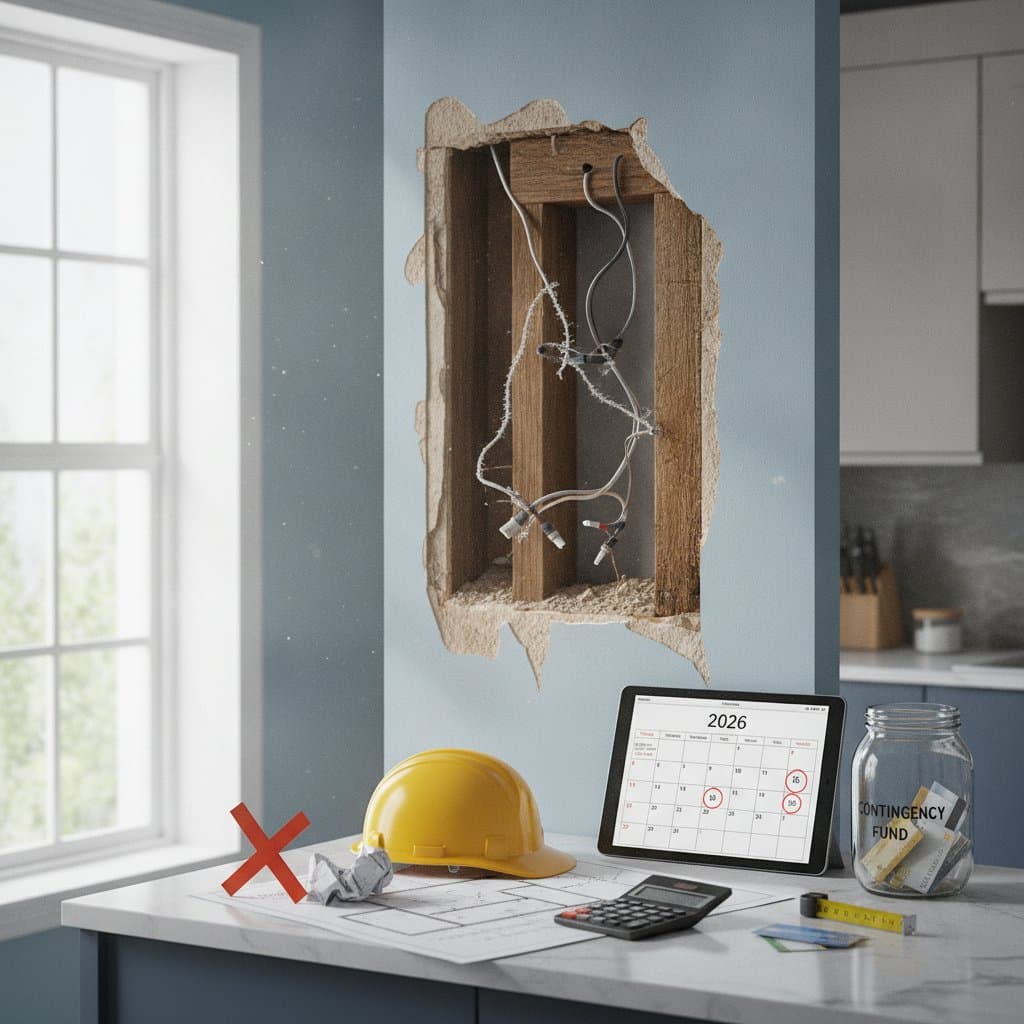
Plumbing and electrical rerouting frequently arise as complications. For instance, relocating a water line from the kitchen to accommodate a mudroom utility sink adds labor and material costs. Ventilation adjustments prevent humidity buildup, which could damage cabinetry over time.
Flooring unification presents another hurdle. Mudrooms require durable, slip-resistant surfaces like porcelain tiles sealed against water. Kitchens benefit from materials such as luxury vinyl plank that resist stains yet provide comfort. Aligning these across the combined area often involves subfloor preparation and leveling to avoid uneven transitions.
Design Strategies for Functional Flow
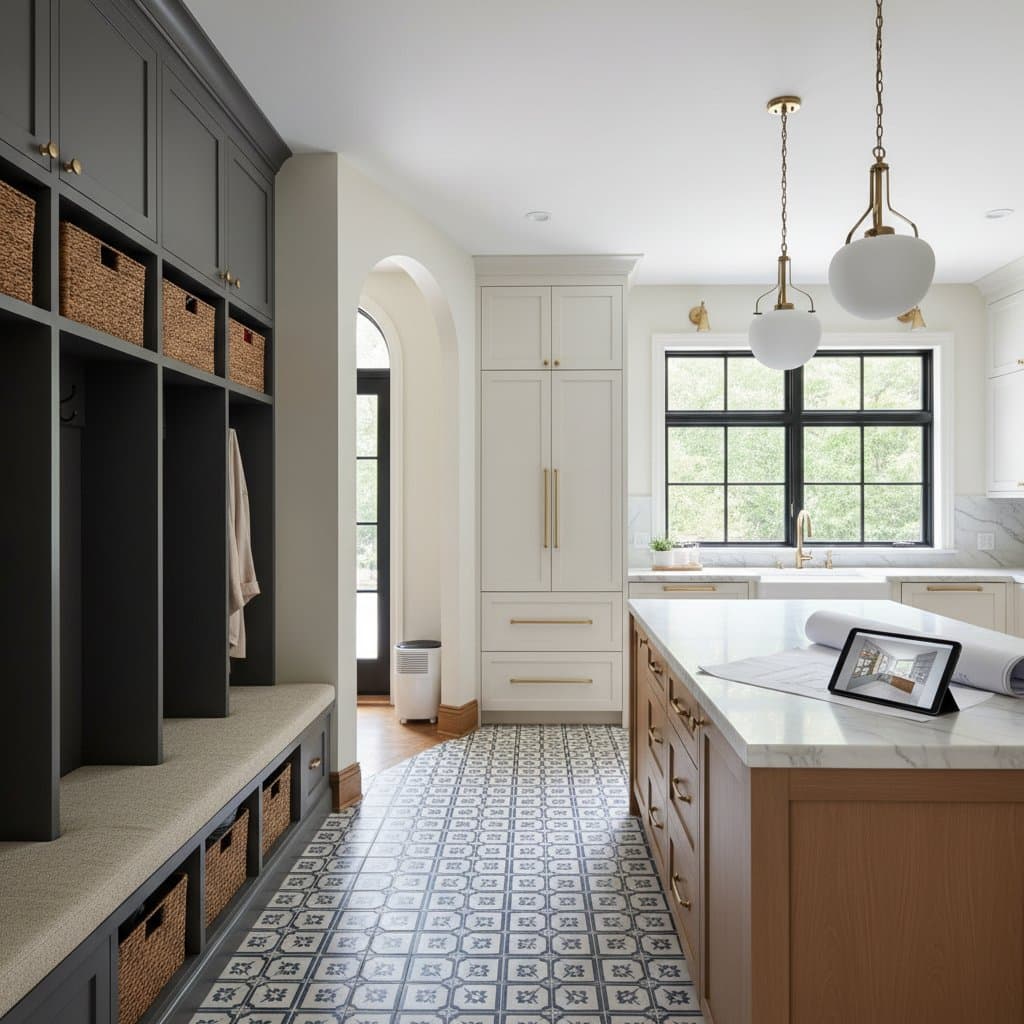
Effective designs prioritize utility over aesthetics alone. Install built-in cabinetry along mudroom walls to conceal storage for outerwear and footwear. Opt for pull-out drawers in benches to organize items efficiently without visual clutter.
Incorporate transitional elements to delineate zones subtly. A low peninsula counter serves as a buffer, allowing oversight of the mudroom while containing kitchen activities. Select materials like quartz for this surface to withstand spills from both areas.
For households with active children or pets, plan for high-traffic durability. Apply semi-gloss paints on lower walls for easy wipe-downs. Position flooring transitions with durable thresholds to manage dirt containment without impeding movement.
Utility features enhance practicality. A dedicated mudroom sink with a high-arc faucet facilitates quick rinses of produce or hands. Pair it with a nearby drying rack to minimize water transfer into the kitchen proper.
Budget Breakdown and Cost Factors
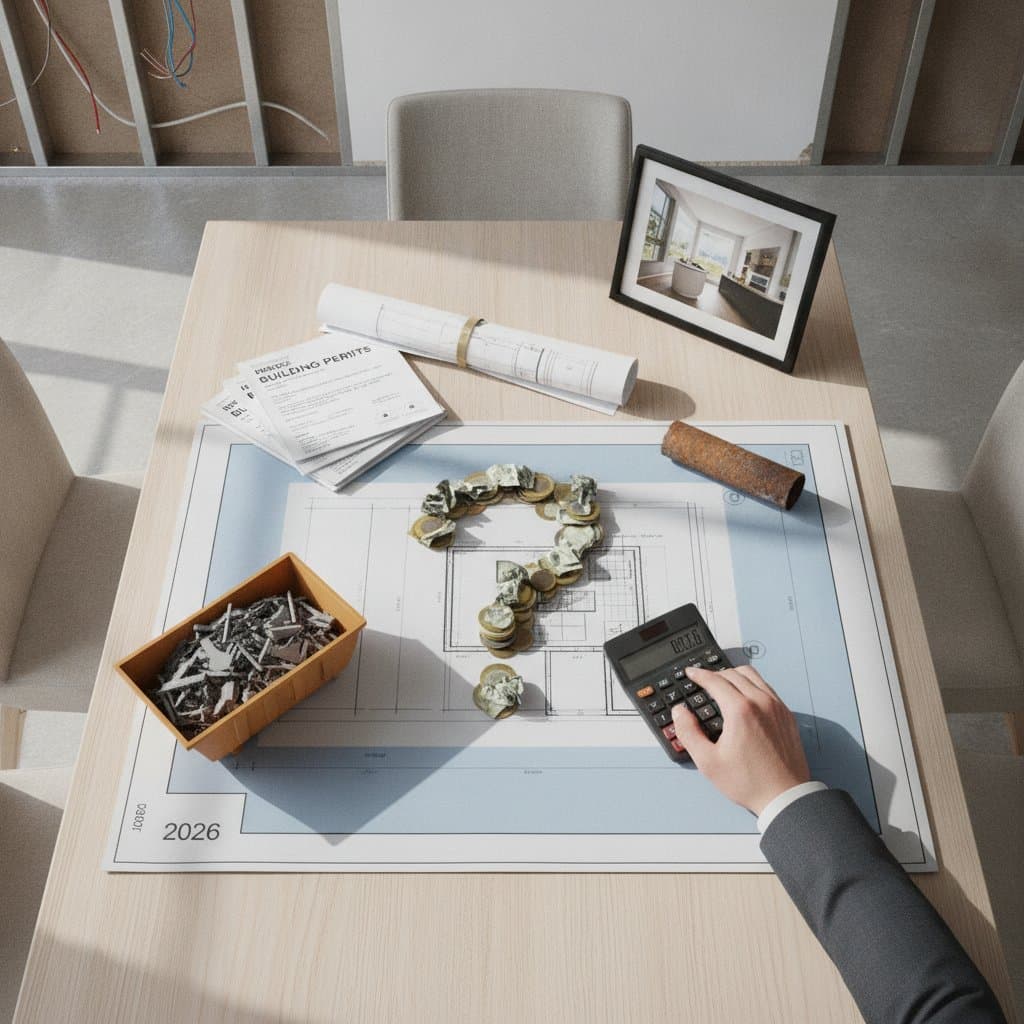
Remodeling expenses fluctuate based on project scope and location. Structural alterations, including wall removal and reinforcements, typically range from $5,000 to $15,000 for a standard 200-square-foot area. Consult local contractors for precise quotes influenced by regional labor rates.
Flooring installation across merged spaces costs $8 to $15 per square foot, depending on material selection. Engineered hardwood offers longevity in kitchens, while slate tiles suit mudrooms for their natural water resistance.
Cabinetry and storage solutions account for 20 to 30 percent of the budget. Custom built-ins with soft-close mechanisms and integrated hooks start at $3,000 for basic units. Prioritize these for long-term organization benefits.
Electrical and lighting upgrades, such as recessed cans and task lighting over sinks, add $2,000 to $5,000. Ensure compliance with building codes by hiring licensed electricians to handle rewiring.
Finishing touches like backsplashes and hardware contribute $1,500 to $4,000. Choose corrosion-resistant fixtures for mudroom exposure to elements. Allocate funds strategically to essential functions before decorative elements.
Maximizing Value Through Thoughtful Implementation
A successful integration enhances home efficiency and resale potential. The layout streamlines routines, reducing time spent on transitions between entry and cooking areas. Families report improved interactions as conversations flow naturally across spaces.
Maintenance becomes simpler with proactive designs. Regular sealing of grout lines prevents moisture issues, extending the lifespan of flooring. Periodic decluttering of storage maintains the organized feel.
Ultimately, the investment yields a home that adapts to lifestyle demands. Muddy entries no longer disrupt kitchen serenity, and the overall environment fosters comfort. This thoughtful approach transforms potential challenges into enduring advantages.