
Surprising Spots Where Your 2026 Remodel Budget Vanishes
Imagine this scenario: You have outlined your ideal remodel, filled your inspiration boards with concepts, and organized a precise financial spreadsheet. Midway through the project, however, the figures begin to shift unexpectedly. The structured budget you established starts to erode gradually. Where does the money disappear? Remodeling projects frequently conceal expenses in overlooked areas that surface only after significant progress.
From experience with numerous homeowners undertaking similar endeavors, identifying these potential pitfalls proves essential for maintaining financial oversight. This article examines the unexpected locations where remodel budgets often diminish and provides practical methods to manage costs effectively. By anticipating these challenges, you preserve the enthusiasm for revitalizing your living space.
1. Pre-Construction Planning
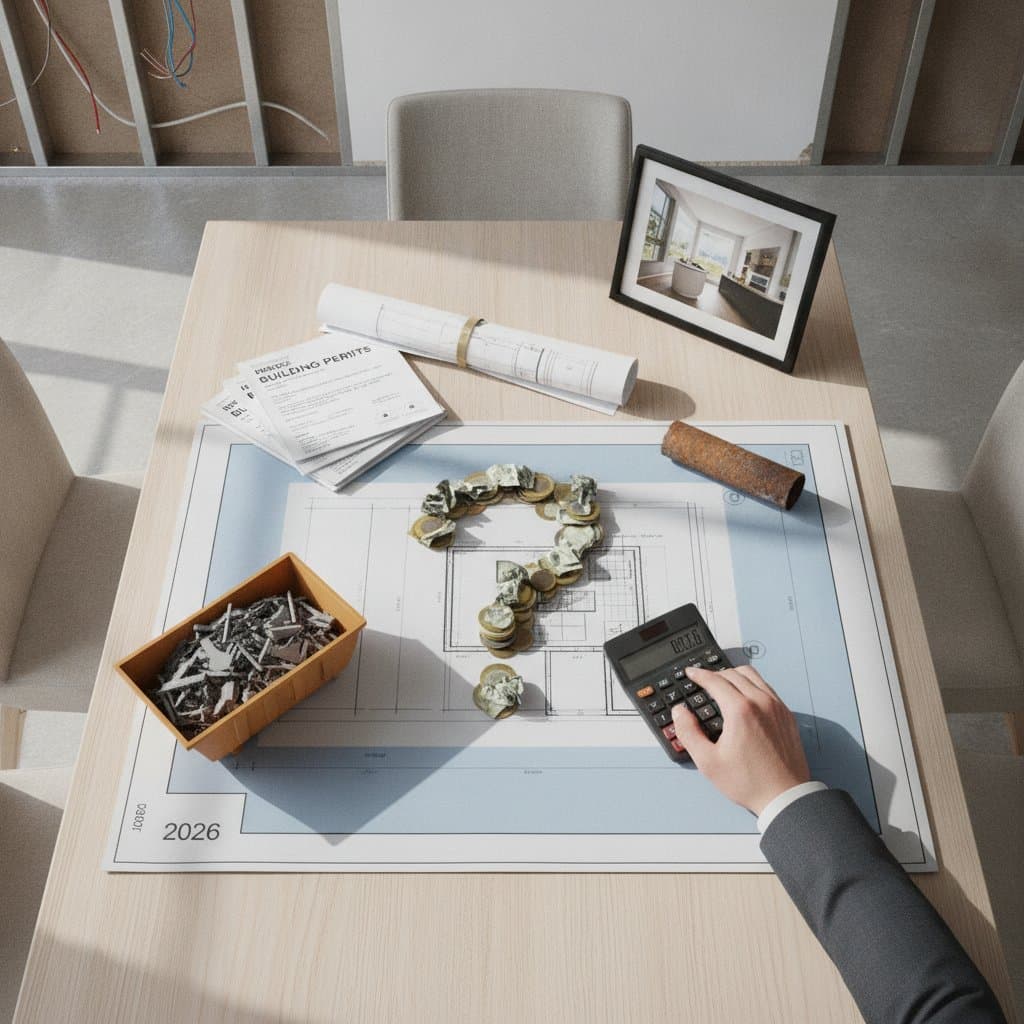
Prior to any construction activity, expenses emerge in planning phases. Design consultations, municipal permits, and engineering evaluations accumulate rapidly. Homeowners frequently overlook how these preliminary requirements consume a substantial portion of the overall budget, sometimes reaching 10 to 20 percent depending on project scope.
To mitigate this, obtain detailed estimates for architectural services, design work, and permitting fees at the outset. Inquire with your contractor or designer about inclusions in their proposals and any potential separate charges. For older properties or those on uneven land, allocate additional funds for site surveys or structural inspections to avoid surprises.
2. Hidden Structural Surprises
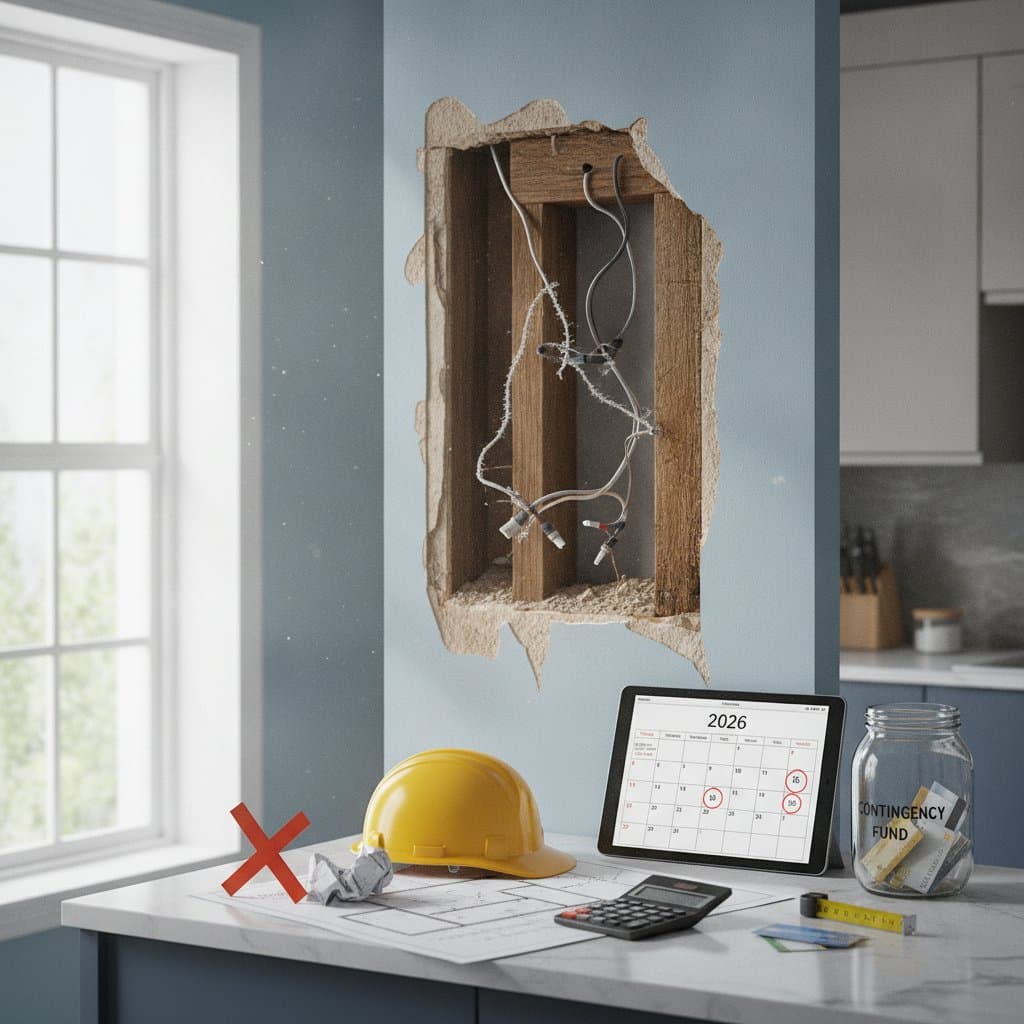
Demolition often reveals unforeseen issues once walls or floors open up. Faulty electrical wiring, deteriorated pipes, or inadequate insulation demand immediate attention. These discoveries, while unglamorous, ensure the safety and durability of the finished project, yet they can inflate costs by thousands if unprepared.
Establish a contingency reserve equivalent to 10 to 15 percent of your total budget. This buffer addresses revelations such as compromised subfloors or obsolete electrical panels without interrupting the workflow. Conduct a pre-demolition inspection with a professional to identify probable issues early and adjust plans accordingly.
3. Material Upgrades You Did Not Plan
Initial selections might involve standard materials like basic ceramic tiles or entry-level fixtures. Exposure to premium alternatives in showrooms, however, tempts upgrades that accumulate expenses. The price gap between granite and laminate countertops, or between stock and bespoke cabinetry, escalates quickly when multiplied across an entire kitchen or bathroom.
Finalize your material choices during the design stage and adhere to them firmly. Direct your designer or builder to furnish comprehensive pricing for preferred options prior to procurement. Should an upgrade appeal, evaluate trade-offs in other areas, such as opting for simpler flooring to balance the expenditure.
4. Labor and Scheduling Changes
Labor expenses represent a highly fluctuating element in remodeling. Extended timelines due to unavailable specialists or unforeseen delays lead to higher wages or penalty fees. Factors like inclement weather or supply chain disruptions prolong the schedule, increasing not only labor charges but also costs for alternative accommodations if relocation becomes necessary.
Incorporate buffer periods into your project timeline from the beginning. Solicit a detailed schedule from your team and explore potential delay triggers, such as seasonal material shortages. If temporary housing is required, factor in rental expenses upfront and select contractors with proven track records in efficient execution.
5. Delivery and Disposal Fees
Materials require transportation and old debris needs removal, both incurring notable charges. Freight for bulky elements like hardwood planks, granite slabs, or large appliances often exceeds expectations, while hauling away construction waste adds further costs per load.
Demand a full quotation from suppliers that encompasses delivery and disposal charges. Explore partnerships with nearby providers or recycling facilities for economical waste management. For extensive renovations, consider leasing a single dumpster for the project duration to consolidate fees and streamline operations.
6. Design Details and Finishing Touches
Refinements that elevate a space's aesthetic appeal frequently arise toward completion. Items such as door knobs, sconces, draperies, and molding profiles demand budgets of their own, with hasty purchases amplifying prices through rushed sourcing or premium markups.
Dedicate a specific allocation for these elements, perhaps 5 to 10 percent of the total. Research options in advance, noting that basic pulls might cost $5 each while designer versions reach $50. Prioritize investments in high-visibility areas like entryways, allowing economies in less prominent spots to maintain overall elegance.
7. Appliances and Technology
Integrating appliances and modern tech systems poses risks of budget overruns without foresight. Decisions for integrated ovens or advanced ventilation may necessitate modifications to cabinet dimensions, wiring upgrades, or ductwork alterations not accounted for initially.
Choose appliances and tech features before locking in layouts or cabinet designs. Provide your contractor with exact dimensions and power requirements to ensure seamless integration. Verify electrical capacity for additions like automated controls or voice-activated systems to prevent retroactive and costly adjustments.
8. Landscaping and Exterior Work
Interior-focused remodels sometimes necessitate exterior adaptations. Installing energy-efficient windows, for instance, might expose weathered siding requiring repair, or an extension could demand regrading and new walkways to integrate properly.
Assess the interplay between indoor modifications and outdoor elements during planning. Incorporate minor exterior enhancements to enhance property value and safeguard the new interior work. Consult with a landscape specialist early to estimate costs and align them with the primary budget.
9. Temporary Living and Storage Costs
Disruptive construction phases may force relocation or item storage. Securing a furnished rental or off-site unit for weeks or months introduces expenses that escalate if not anticipated, particularly in high-demand housing markets.
Project the duration of inhabitable conditions and budget for interim solutions accordingly. If partial occupancy remains feasible, designate secure zones within the home for essential items and daily activities. Compare storage options like pod services versus traditional units to select the most cost-efficient arrangement.
Securing Financial Control in Your Remodel
Anticipating budget challenges transforms potential setbacks into manageable aspects of the process. Regular monitoring of expenditures and transparent dialogue with your project team foster accountability. Maintain organized records of choices and invoices to detect deviations promptly.
A comprehensive strategy not only accommodates surprises but also sustains project velocity. Upon completion, you gain a refined, efficient home alongside the assurance of adept financial stewardship throughout the journey.