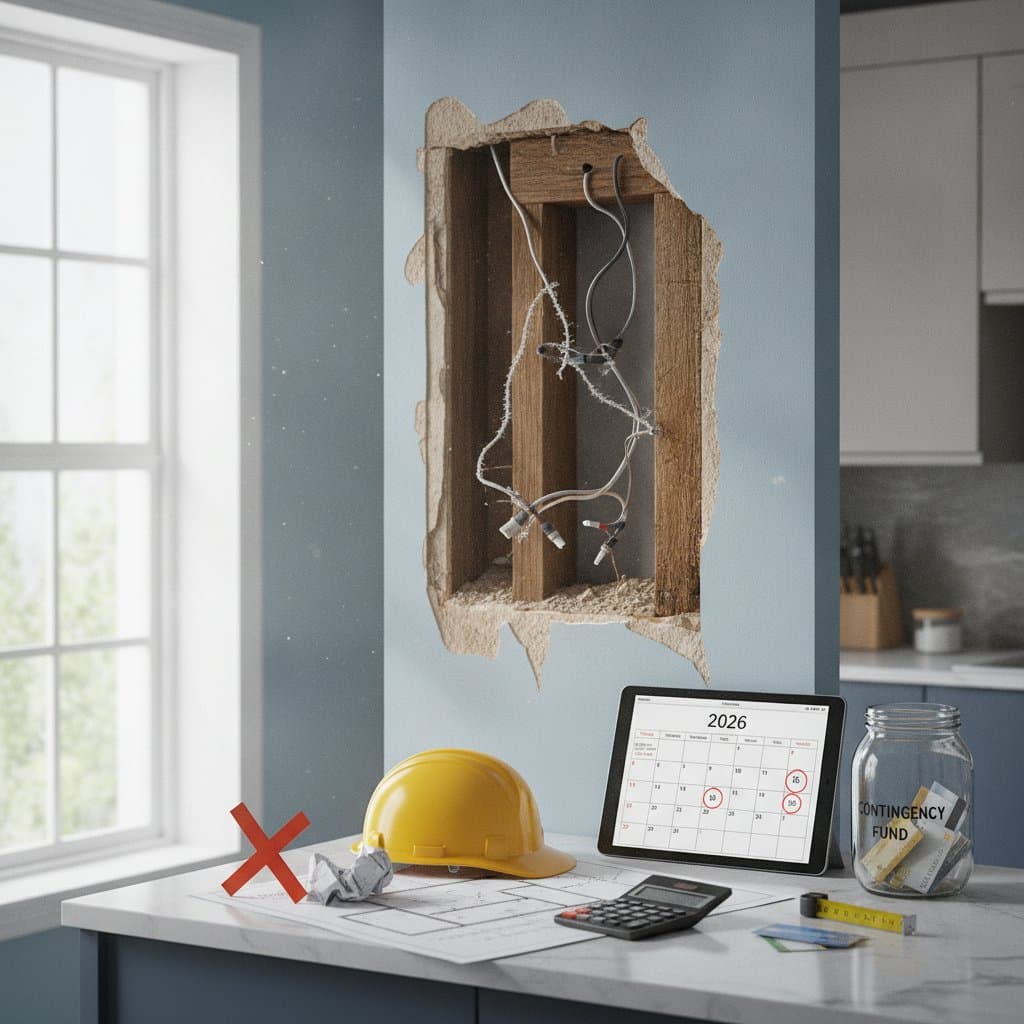


2026 Remodel Loans: Emerging Options and Rates
Home design preferences evolve, yet remodeling expenses consistently escalate. Projects like kitchen expansions or bathroom overhauls hinge on funding decisions that shape final outcomes. Fortunately, 2026 introduces expanded remodel loan programs designed for homeowner needs, emphasizing adaptable terms, streamlined processes, and repayment plans aligned with real-life budgets.
The following five rules integrate structural considerations with fiscal prudence. Apply these guidelines to secure financing as meticulously as an architect drafts blueprints. Achieve a functional, appealing home alongside a manageable payment structure.
Rule 1: Align Loan Type with Project Timeline
Challenge: Short-duration renovations frequently receive long-term financing, leading to excess interest accumulation.
Scenario: A couple funds a six-week bathroom update via a 30-year refinance, extending costs beyond necessity.
Approach: Opt for personal loans or brief home improvement loans on quick jobs. Limit cash-out refinances or renovation mortgages to extensive structural alterations.
Key Insight: Lenders provide hybrid products that merge rapid funding from unsecured loans with reduced rates from collateralized ones. Examine term lengths and early repayment provisions thoroughly.
Advantage: Synchronizing loan duration with build schedule prevents prolonged payments for brief endeavors.
Rule 2: Grasp How Rates Correspond to Risk Levels
Challenge: Applicants often fixate on headline rates, overlooking influences from personal and project risks.
Scenario: Identical loan requests from two homeowners yield varying rates; one submits thorough records and steady earnings proof, the other sparse details.
Approach: Lenders evaluate based on credit profile, home equity, and renovation supervision. Present a detailed, structured project proposal to build lender trust.
Key Insight: Advanced lenders deploy monitoring software for draw schedules and builder advancements. Such systems mitigate uncertainties, potentially yielding favorable conditions.
Advantage: Knowledgeable applicants secure stable rates, sidestepping unexpected hikes amid work.
Rule 3: Reserve Contingency Funds for True Unforeseen Issues
Challenge: Homeowners repurpose buffers meant for emergencies toward desirable add-ons, eroding safeguards.
Scenario: During a basement conversion, funds set aside for possible foundation problems finance an extra bar feature instead.
Approach: Dedicate reserves to authentic surprises like concealed electrical faults, floor deterioration, or buried pipes. Pursue extras only after surplus emerges.
Key Insight: Industry norms suggest 10 to 15 percent buffers. Financing institutions often mandate proof of this allocation, especially for aged properties or foundational changes.
Advantage: Fiscal stability persists, averting disruptions that prolong timelines.
Rule 4: Implement Draw Oversight for Workmanship Assurance
Challenge: Premature fund releases prompt hasty execution or incomplete deliveries by builders.
Scenario: Full payment follows initial review, revealing later oversights in detailing and installations.
Approach: Tie payouts to confirmed milestones via photos or site visits prior to approvals.
Key Insight: Digital lender portals enable owner validations with dated images and vendor confirmations for each phase.
Advantage: Standards hold firm, directing capital precisely to planned elements.
Rule 5: Factor Ongoing Upkeep into Financing Plans
Challenge: Focus on initial debt ignores sustained expenses from advanced features and installations.
Scenario: Luxury wood surfaces, loan-funded, lack provisions for routine resurfacing.
Approach: Incorporate modest upkeep allocations during loan setup to sustain peak performance over time.
Key Insight: Resilient choices like ceramic surfaces or synthetic exteriors cut future outlays, supporting modest initial investments. Consult designers or builders on selections.
Advantage: Safeguard aesthetic and economic value, delaying subsequent borrowings.
Integrating Design Choices with Financial Planning
A visually striking renovation that burdens finances undermines lasting satisfaction. Balance creative visions with budgetary rigor. View financing as an extension of the build process. Scrutinize repayment timelines alongside layout reviews. Confirm selections enhance routine use, endurance, and feasible obligations.