Understanding the True Cost of Open-Concept Kitchen Demolition in 2026
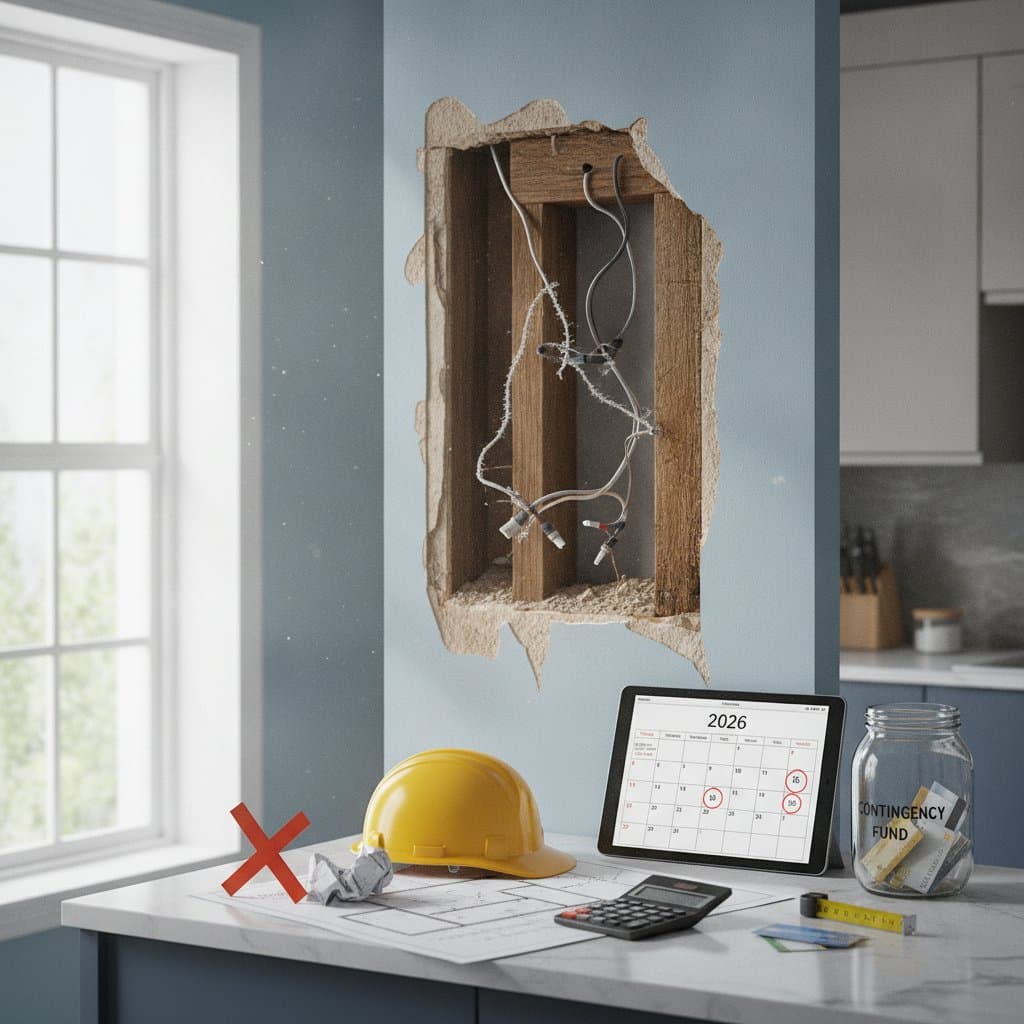
Recent surveys from the Home Improvement Research Institute reveal that 61 percent of homeowners embarking on kitchen remodels plan to remove at least one wall for an open-concept design. However, only 38 percent of these projects stay within budget after demolition starts. This discrepancy means 62 percent face unexpected overruns, driven by structural discoveries, regulatory demands, and logistics that transform a straightforward update into a complex endeavor.
Homeowners frequently view wall removal as a simple step, but it involves intricate assessments and modifications. This guide examines the actual expenses involved, outlines preparation methods, and identifies common pitfalls. By understanding these elements, you can collaborate with skilled professionals to safeguard your budget, preserve home integrity, and ensure compliance with safety standards.
Factors Driving Costs Beyond Initial Projections
Initial estimates for open-concept conversions often cover only basic demolition labor, overlooking subsequent requirements like engineering reviews, system relocations, and administrative fees. These oversights lead to rapid escalations as the project unfolds. Contractors encounter variables that demand immediate attention and additional resources.
Key factors contributing to these increases include:
- Structural assessments: Demolition may expose load-bearing elements supporting floors or roofs above, necessitating reinforcements such as beams or columns.
- Regulatory adherence: Local codes mandate engineering reports and certified plans for any alterations affecting stability, often requiring permits that extend timelines.
- Utility adjustments: Relocating wiring, pipes, or ventilation systems involves specialized work, with costs accumulating from materials and skilled labor.
- Debris management: Removing dense materials like drywall, masonry, or fixtures incurs hauling and disposal charges, especially in areas with environmental restrictions.
- Seamless transitions: Integrating new surfaces for floors, ceilings, or walls calls for custom fittings and extra craftsmanship to maintain aesthetics.
"Homeowners typically see wall removal as one straightforward task," notes Carla Nguyen, a structural engineer at Pacific Residential Design with 18 years of experience. "It actually comprises interconnected steps that require precise ordering to uphold safety."
Essential Expertise for Safe and Efficient Demolition
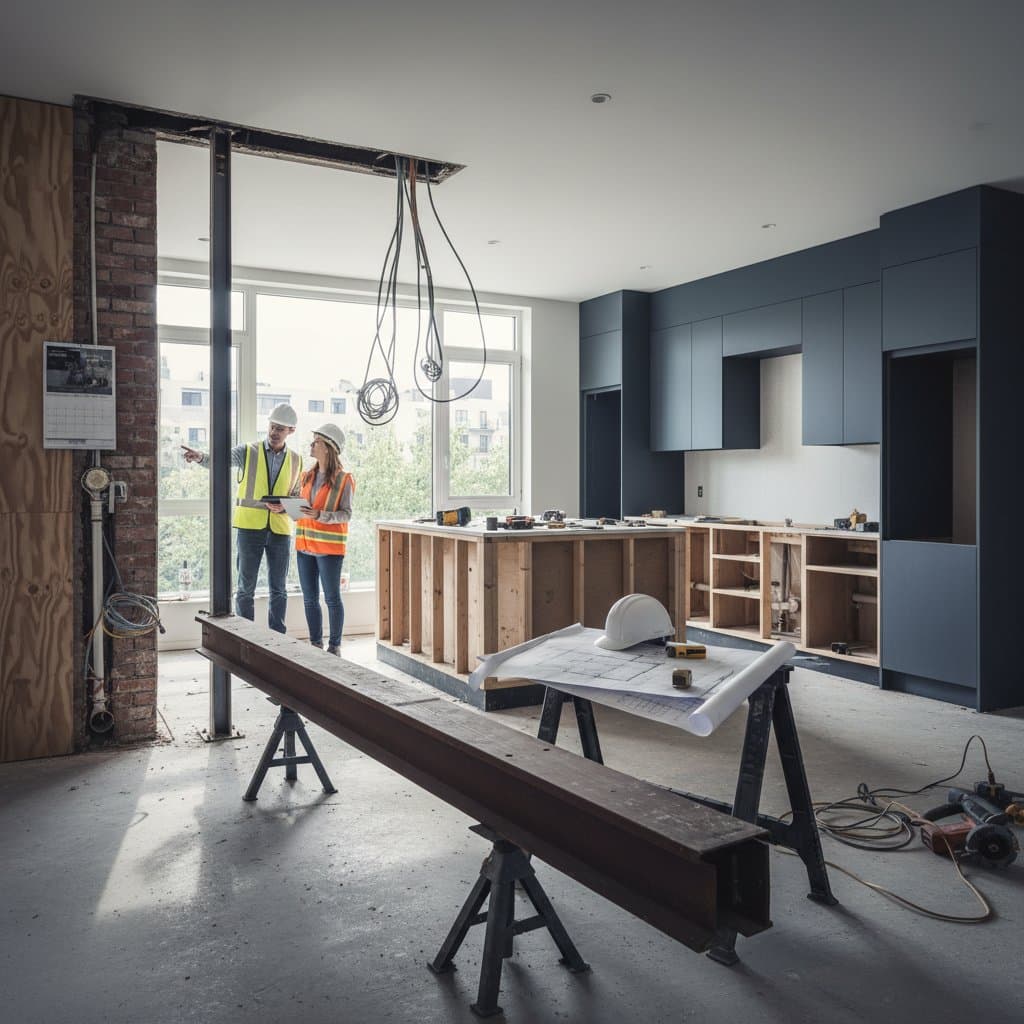
Open-concept projects intersect structural, electrical, and design domains, making solo handling risky and inefficient. Assemble a coordinated team to address each facet comprehensively. This approach minimizes errors and streamlines execution.
The ideal professionals encompass:
- Structural engineer: Conducts evaluations to confirm load paths and specify support elements.
- Licensed general contractor: Coordinates all trades, secures approvals, and manages on-site operations.
- Electrician and plumber: Handles precise rerouting of power, water, and drainage lines.
- Architect or interior designer: Optimizes spatial layout and ensures harmonious integration with existing features.
Coordination among these experts prevents overlaps and accelerates progress. "Demolition appears basic, but timing trades correctly avoids rework and inflation," observes Mark Ellison, general contractor at Ellison Build Group, who has overseen more than 250 home renovations. Proper sequencing delivers reliable timelines and curbs unnecessary expenditures.
Strategies to Mitigate Risks and Control Expenses
Demolition phases frequently reveal concealed issues, with experts estimating that one in three open-concept initiatives encounters complications impacting finances or duration. Proactive measures can limit these disruptions. Focus on preparation to maintain momentum.
Effective tactics include:
- Conduct preliminary inspections: Employ imaging tools or minor probes to map out hidden conduits before full teardown.
- Enforce documented approvals: Approve any adjustments only through formal written agreements to track changes accurately.
- Verify protections: Check that the contractor carries adequate insurance for liabilities and personnel coverage.
- Initiate reviews promptly: Arrange for official checks at key stages to prevent stoppages from pending verifications.
Documentation forms the backbone of fiscal oversight. "Weekly detailed cost summaries during active phases keep everyone aligned," advises Linda Chavez, project manager at MetroRenovate Consulting with 20 years in construction oversight. "Clear records empower you to direct the project without surprises."
Assessing Return on Investment for Open Layouts
Open-concept kitchens boost livability, but their economic benefits vary by location. Data from HomeValue Insights shows properties with integrated kitchen-living areas sell 6 to 9 percent quicker in suburban settings compared to traditional enclosed designs. Still, the added value from demolition may not fully recoup outlays without strategic planning.
To gauge potential returns:
- Analyze local patterns: In neighborhoods dominated by open plans, your update might sustain market position rather than elevate it significantly.
- Prioritize practicality: Excessive wall removal could compromise cabinetry, seclusion, or thermal performance, diminishing appeal.
- Time for appreciation: Allow years for equity growth to balance initial spending, especially in volatile markets.
Combining wall opening with comprehensive kitchen enhancements amplifies efficiency through consolidated efforts. This holistic method often yields stronger financial outcomes and enduring satisfaction.
Steps to Execute Your Open-Concept Remodel Successfully
Achieving an open-concept kitchen demands disciplined preparation over hasty decisions. Start with a thorough structural review to baseline expectations. Solicit itemized proposals from vetted specialists and allocate a buffer fund for contingencies.
Disciplined homeowners who emphasize foresight reap superior results. They recognize that openness requires harmonizing engineering, finances, and aesthetics into a methodical framework. Licensed teams, rigorous records, and vigilant monitoring form the pillars of triumph.
The outcome extends beyond aesthetics: a unified living environment that aligns with your lifestyle while delivering measurable worth at each phase.