
Future-Proof Your Bathroom with a Wet Room Checklist
Imagine transforming a standard bathroom into an open, spa-inspired space where water flows freely without barriers. A well-designed wet room offers spaciousness and modern appeal, but success hinges on meticulous planning. This guide provides the steps to create a durable installation that remains functional and attractive for years.
Benefits of a Wet Room Design
Wet rooms deliver a streamlined aesthetic that enhances any bathroom's perceived size. Without shower trays or curbs, the space integrates seamlessly, promoting a fluid layout. This design also supports accessibility, as level floors eliminate steps, benefiting users of all abilities and ages.
However, the advantages depend on robust waterproofing. A single flaw in the system can lead to water damage, transforming luxury into liability. Begin planning with waterproofing as the foundation to avoid costly repairs.
Core Principles of Waterproofing
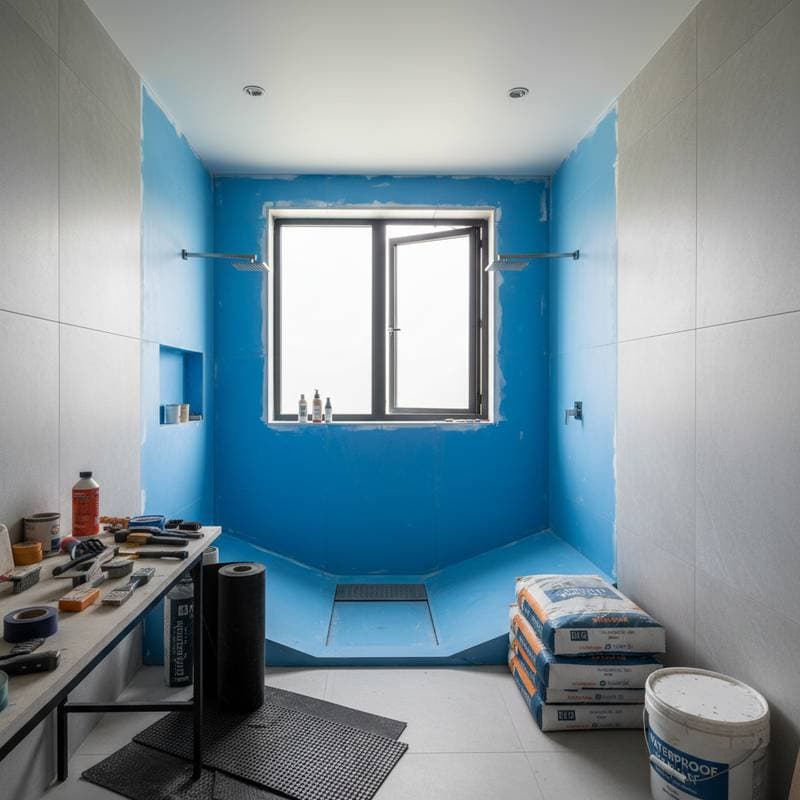
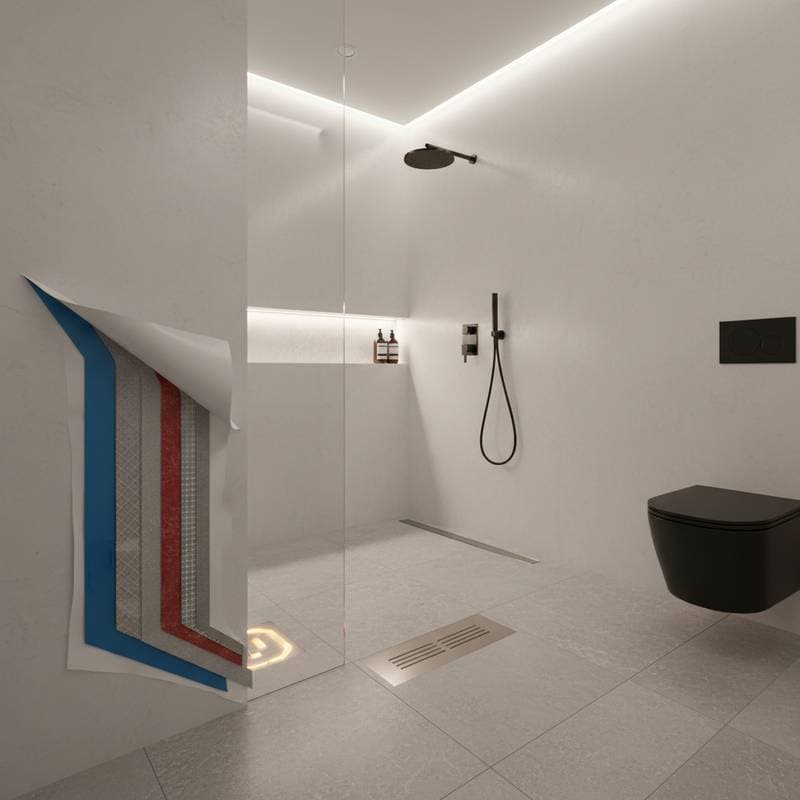
Waterproofing forms the backbone of any wet room. Apply a complete membrane system that covers the floor and extends up the walls by at least 150 millimeters. Seal all joints, pipe entries, and corners meticulously to prevent moisture intrusion.
For DIY projects, select a reliable membrane type. Liquid-applied options form a flexible coating similar to a sealant, while sheet membranes provide durable layers that overlap for full coverage. Test the system thoroughly before tiling to confirm no leaks occur.
Professionals ensure proper floor gradient, typically a 1:40 to 1:80 slope toward the drain. This subtle incline, often 10 to 20 millimeters over the area, directs water efficiently and avoids standing pools. Neglect this detail, and maintenance challenges will arise quickly.
Installing a Curbless Shower Area
A curbless entry creates an uninterrupted flow into the shower zone, aligning with contemporary minimalism. It simplifies cleaning by removing edges where grime accumulates. To achieve this, adjust the subfloor using a pre-formed shower tray or sloped substrate that aligns with the room's level.
In homes with timber joists, reinforce the structure to support added weight and prevent flexing. Concrete slabs offer a more straightforward base but demand accurate leveling. Verify drain positioning early; misalignment can require extensive rework, as seen in cases where floors needed complete reconfiguration.
Selecting Durable Materials
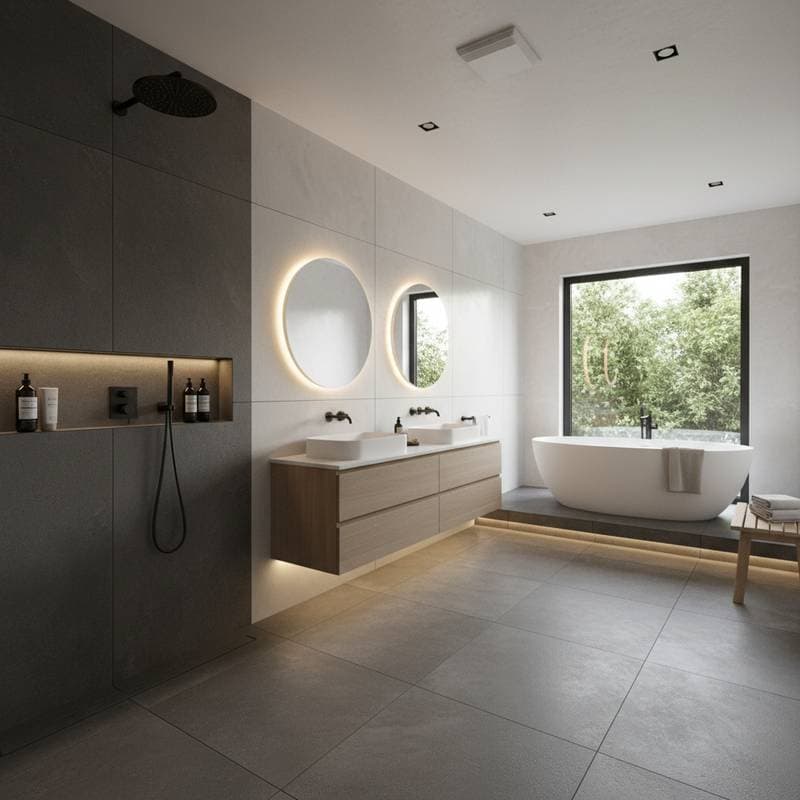
Choose materials that withstand constant moisture exposure. Porcelain tiles resist water absorption effectively, outperforming ceramic alternatives. Natural stone requires periodic sealing to maintain integrity, while large-format porcelain slabs demand a flat substrate for proper adhesion.
Prioritize slip-resistant surfaces with a textured finish or R10 rating to enhance safety. Underfloor heating accelerates drying, reduces condensation, and maintains comfort. Install it beneath the flooring for even heat distribution.
For walls, consider waterproof panels in matte or gloss finishes that replicate high-end materials. These panels install quickly and eliminate grout maintenance, offering a hygienic alternative to traditional tiling.
Integrating Ventilation and Lighting
Effective ventilation prevents moisture buildup and mold growth. Install a fan with a minimum 15-liter-per-second extraction rate, equipped with a humidity sensor for automatic activation. Position vents away from the shower to optimize airflow.
Lighting enhances usability and ambiance. Use IP65-rated LED fixtures in wet zones for safe, energy-efficient illumination. Incorporate dimmable options or task lighting near mirrors to support various needs, from morning routines to evening relaxation.
Storage solutions maintain organization without compromising waterproofing. Recess shelves into walls and line them with the same membrane as the floor. This approach keeps essentials accessible while integrating seamlessly with the design.
Comprehensive Wet Room Checklist
Review these elements before commencing work:
- Waterproofing System: Apply full membrane coverage on floors and walls, sealing all penetrations.
- Drainage Setup: Establish a precise slope to the central drain, verified with a level.
- Structural Integrity: Confirm floor support for tiles, fixtures, and water weight.
- Ventilation Equipment: Fit a high-capacity extractor fan with overrun timer.
- Heating Solutions: Include underfloor heating or radiant panels for quick drying.
- Lighting Configuration: Install moisture-proof LEDs with adjustable controls.
- Storage Integration: Design waterproof niches or vanities.
- Safety Features: Select tiles with anti-slip properties and add grab bars if required.
- Accessibility Measures: Ensure level entry and wide circulation space.
- Expert Consultation: Engage a specialist for site assessment and compliance.
Maintaining Your Wet Room
A completed wet room invites daily use with its open layout and ease of care. Regular checks on seals and drains preserve performance. Wipe surfaces promptly to minimize residue buildup.
Over time, inspect for wear on high-use areas. Refresh grout or reseal stone annually to sustain the original luster. This proactive care ensures the space delivers ongoing enjoyment.
Steps to Launch Your Project
Start by sketching your layout and sourcing materials that align with your vision. Consult local regulations for plumbing and electrical standards. With this checklist, proceed confidently toward a wet room that enhances your home's value and comfort.