
Essential Waterproofing Steps for Leak-Free Wet Rooms
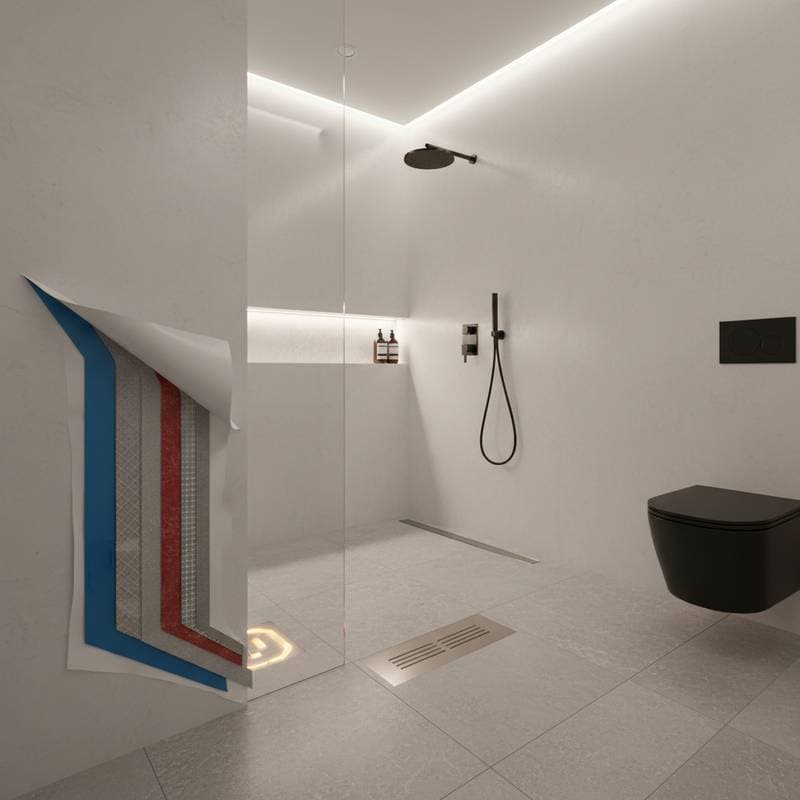
Picture a modern wet room with seamless, curbless entry into the shower area. Surfaces reflect light cleanly, and humidity dissipates quickly without stray moisture. This ideal setup demands more than attractive finishes; it requires meticulous waterproofing to prevent structural damage and mold growth. Proper execution involves strategic design, premium materials, and precise techniques that safeguard the space for decades.
Waterproofing errors often result in expensive repairs, yet following established steps minimizes risks. The following guide outlines key actions, from initial preparation to final upkeep, to secure a dry, inviting environment.
1. Plan the Layout and Build a Solid Foundation
Effective waterproofing begins with thoughtful design. Assess the room's size, location, and usage to determine drainage needs and material compatibility. Consult building codes early to ensure compliance, especially for load-bearing elements.
Prepare a sturdy subfloor using reinforced concrete or plywood sheathing rated for wet areas. Level the surface meticulously to avoid uneven water flow. This base supports all subsequent layers and prevents settling that could compromise seals.
2. Perfect the Floor Slope for Efficient Drainage
A subtle slope directs water toward the drain without visual disruption. Aim for a 1/4-inch drop per foot, starting from the room's edges and converging at the drain. Use a laser level to verify consistency during installation.
Incorporate self-leveling compounds if the subfloor varies. For curbless designs, extend the slope across the entire floor to maintain an open aesthetic. This gradient ensures rapid runoff and reduces standing water risks.
3. Choose a High-Performance Waterproof Membrane
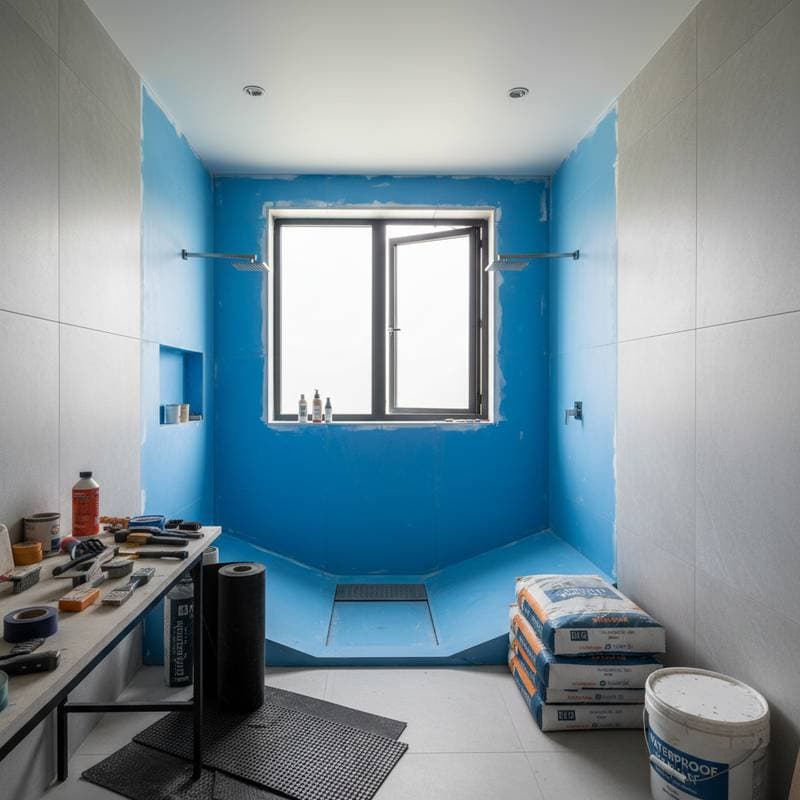
The membrane serves as the primary defense against water intrusion. Select from liquid-applied options, which conform to complex shapes, or sheet varieties, which provide uniform coverage. Both types must meet industry standards for elasticity and adhesion.
Apply the membrane across the floor and up walls by at least 6 inches, extending higher in shower zones. Overlap seams by 2 inches and allow full curing as specified by the manufacturer. Test adhesion in a small area first to confirm compatibility with your substrate.
4. Waterproof All Penetrations and Edges
Plumbing penetrations and fixture edges represent common failure points. Seal pipes, drains, and valves with purpose-built collars or gaskets that flex with minor shifts. These components integrate directly with the membrane for comprehensive protection.
Apply mold-resistant silicone sealant along corners, joints, and built-in features like niches or benches. Ensure full coverage before tiling to eliminate hidden pathways for moisture. Inspect these areas twice during application to catch any oversights.
5. Select Non-Porous Tiles and Grout
Opt for porcelain tiles due to their low water absorption rate, typically under 0.5 percent. Larger formats minimize grout lines, reducing potential entry points for water. Verify tile ratings for wet-area suitability during selection.
Choose epoxy-based grout over cement varieties for superior water resistance and durability. Apply sealant to grout lines post-installation and refresh annually. This combination maintains integrity and simplifies cleaning.
6. Integrate a Reliable Drainage System
Select drains that align with your design, such as linear models for wall-adjacent placement in curbless setups. Ensure the drain body bonds securely to the membrane, using integrated flanges where available. Position for optimal flow without obstructing the floor plane.
Incorporate hair traps and easy-access covers to facilitate routine cleaning. Test water flow during installation to confirm capacity matches expected usage. Proper drainage prevents backups that could overwhelm waterproofing layers.
7. Ensure Proper Ventilation
Ventilation complements surface waterproofing by managing humidity. Install an exhaust fan with at least 50 CFM capacity, positioned above the shower zone. Wire it to activate with the light switch or humidity sensors for automatic operation.
Run the fan for 20 to 30 minutes after showers to expel steam. Supplement with operable windows if feasible, allowing cross-breezes on drier days. Consistent air exchange inhibits condensation and preserves air quality.
8. Conduct a Leak Test Before Tiling
Verify waterproofing integrity with a flood test prior to final finishes. Seal the drain and fill the area to 2 inches deep, holding for 24 hours. Monitor water levels and inspect the substructure for dampness.
Address any detected issues, such as pinholes in the membrane, by reapplying sealant. Document results for reference during future inspections. This validation step avoids costly rework after tiles are set.
9. Accommodate Expansion and Movement
Account for natural building shifts by incorporating flexible joints. Place silicone-filled expansion gaps every 12 to 16 feet in larger areas, and at material transitions like floor-to-wall junctions. These elements absorb stress without fracturing seals.
Use movement-tolerant adhesives and membranes rated for flexibility. Monitor joints during the first year for signs of stress. Proactive design in this area extends the lifespan of all waterproofing components.
10. Maintain and Inspect Regularly
Schedule quarterly checks to preserve system performance. Examine silicone seals for degradation and reapply as necessary. Clear drains of debris to sustain flow efficiency.
Regrout or reseal tiles every two to three years, focusing on high-traffic zones. Document maintenance activities to track patterns and anticipate needs. Diligent care upholds the wet room's functionality and appearance over time.
Sustaining Your Wet Room's Performance
A well-waterproofed wet room enhances daily comfort with its barrier-free flow and enduring dryness. Users experience reduced cleaning demands and heightened luxury in the seamless integration of shower and vanity areas. Regular adherence to these steps yields a space that withstands rigorous use while retaining its sophisticated appeal.