Why Half of Open Kitchen Remodels Go Over Budget
Open kitchen remodels promise enhanced living spaces with improved light, flow, and social connectivity. However, statistics indicate that approximately 50 percent of these projects exceed initial budgets. This outcome often stems from unforeseen challenges in planning and execution.
Homeowners envision seamless transitions between cooking areas and living spaces, yet structural complexities and design choices frequently lead to cost escalations. Understanding these pitfalls allows for better preparation. The following sections explore key factors contributing to overruns and provide strategies to mitigate them.
Structural Surprises in Open Layouts
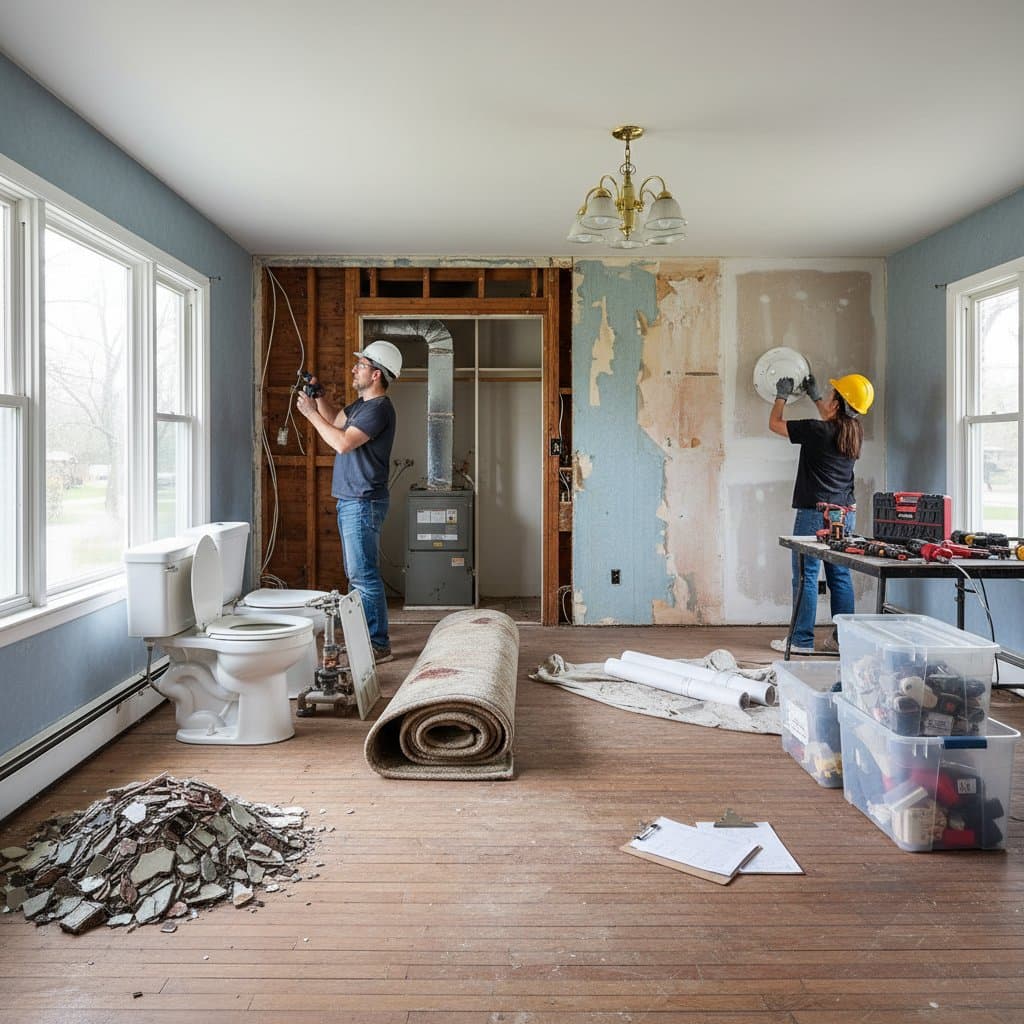
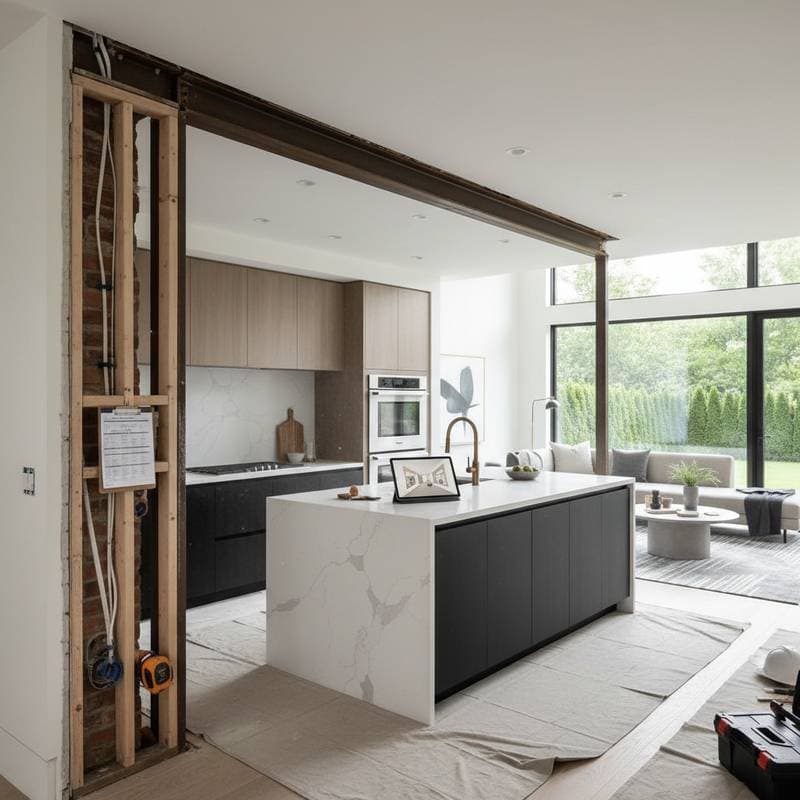
Removing walls to create an open kitchen reveals hidden issues within a home's framework. Load-bearing walls, for instance, require reinforcement with beams or columns, which adds significant expense. Electricians and plumbers may discover outdated wiring or plumbing that demands complete replacement rather than minor updates.
In older homes, asbestos or lead-based materials often appear during demolition, necessitating specialized removal services. These discoveries halt progress and inflate costs by 20 to 30 percent. To address this, conduct a professional structural assessment before finalizing designs.
Hire an engineer to evaluate wall integrity and utility lines early in the process. This step identifies potential issues and informs accurate budgeting. Budget an additional 10 to 15 percent contingency for surprises.
Hidden Expenses in Material and Appliance Selection
Open kitchens demand durable, aesthetically pleasing materials that withstand daily use while complementing adjacent rooms. Quartz countertops or custom cabinetry, popular choices, carry premium prices when scaled to larger surfaces. Appliances integrated into islands or walls, such as high-end ranges or refrigerators, further escalate expenditures.
Permits, inspections, and labor for extensive installations compound these costs. A basic remodel might start at $50,000, but open designs often double that figure due to increased square footage. Track every selection against a detailed cost spreadsheet to maintain control.
Consult suppliers for bulk pricing on materials and consider mid-range options that mimic luxury appearances. For appliances, prioritize energy-efficient models that qualify for rebates, offsetting initial investments.
Layout Logic and Design Oversights
Poorly planned layouts disrupt functionality and require costly revisions. In open kitchens, traffic flow must accommodate multiple users without congestion. Placing the sink, stove, and refrigerator in an inefficient triangle extends preparation times and invites accidents.
Designers sometimes overlook ventilation needs, leading to inadequate hood installations that fail building codes. Lighting layers, from task to ambient, add complexity when integrating with living areas. These errors surface mid-project, prompting redesigns that delay timelines and budgets.
Sketch multiple layout options using software tools or consult a certified kitchen designer. Focus on ergonomics: ensure at least 42 inches of clearance around islands and align electrical outlets with intended uses. Test designs with mockups to visualize daily operations.
Communication Pitfalls with Contractors
Misaligned expectations between homeowners and contractors frequently derail projects. Vague specifications in contracts allow for interpretations that increase scope, such as upgrading to higher-grade finishes without approval. Delays from subcontractor coordination extend labor hours, pushing costs beyond estimates.
Regular updates prevent small issues from snowballing. Without them, disputes over change orders arise, each adding administrative fees. Clear documentation from the outset establishes accountability.
Select contractors with proven track records in open-concept remodels. Establish weekly progress meetings and use digital tools for real-time updates. Include detailed clauses in contracts covering contingencies and dispute resolution.
Actionable Steps for a Budget-Conscious 2025 Remodel
Planning a 2025 open kitchen remodel requires proactive measures to safeguard finances. Start with a comprehensive budget that allocates funds across categories: 40 percent for labor, 30 percent for materials, 20 percent for appliances, and 10 percent for contingencies.
- Assemble a team of professionals, including an architect, contractor, and interior designer, to collaborate on feasible designs.
- Obtain multiple bids for each phase, comparing apples-to-apples quotes that detail inclusions.
- Phase the project if necessary, completing structural work first before cosmetic finishes.
- Monitor progress with a project management app to track expenses and timelines.
- Review local trends for 2025, such as sustainable materials, to future-proof the space without excess spending.
These steps transform potential challenges into manageable elements. Homeowners who implement them report smoother executions and satisfaction with outcomes.
Achieving Balance in Beauty, Function, and Finances
A successful open kitchen remodel harmonizes aesthetics with practicality while respecting financial limits. By anticipating structural surprises, scrutinizing hidden expenses, refining layouts, and fostering clear communication, you position the project for success. The result extends beyond a renovated space; it enhances daily life with enduring value.
Invest time in preparation to reap long-term rewards. Your 2025 kitchen will serve as a vibrant hub, free from the stress of overruns.