
Things to Remove Before a Remodel to Save Money and Time
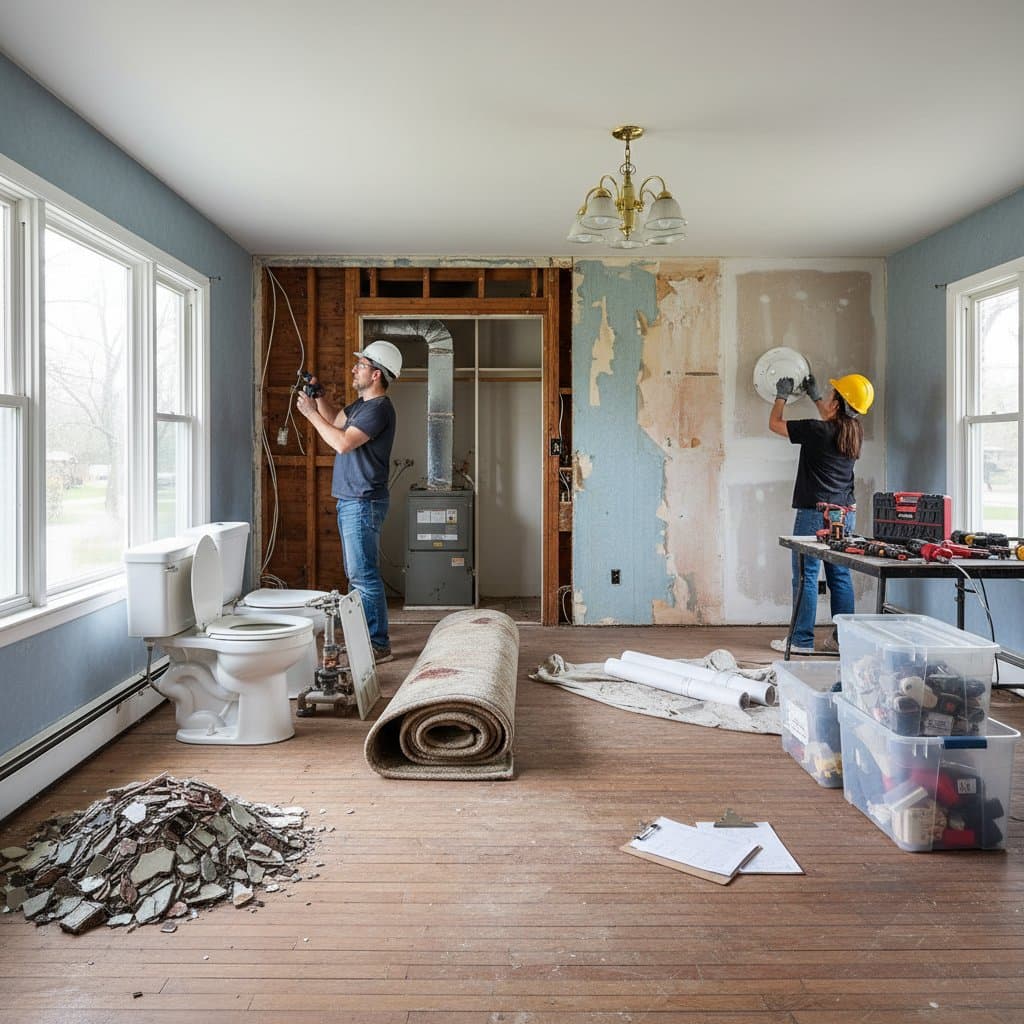
A remodel transforms a home, but the process begins long before tools touch surfaces. Homeowners often focus on design visions and material choices, yet thorough preparation determines the project's success. By removing unnecessary items early, you avoid damage, reduce labor costs, and ensure smoother progress. This guide outlines key elements to eliminate before demolition starts, based on lessons from numerous renovation projects.
Preparation prevents surprises that inflate budgets. Contractors move faster in cleared spaces, and you protect valuables from harm. Follow these steps to set your remodel on a solid foundation.
1. Strip Outdated Wall Finishes
Problem: Old wallpaper, peeling paint, or textured finishes complicate new installations and hide structural issues.
Context: In a recent bedroom refresh, layers of outdated wallpaper concealed water damage behind it. Removal revealed the problem early, avoiding extensive repairs later.
Solution: Peel away wallpaper, scrape loose paint, and sand rough surfaces before any new applications. Inspect walls for damage once exposed.
Technical Detail: Use a wallpaper steamer for adhesive layers and a putty knife for gentle scraping. Prime bare areas immediately to prevent further deterioration.
Benefit: Creates a clean base for new finishes, uncovers hidden problems promptly, and saves on rework.
2. Disconnect and Remove Appliances and Fixtures
Problem: Appliances and fixtures left in place risk damage during demolition, leading to water leaks or electrical hazards.
Context: During a kitchen overhaul, a connected refrigerator blocked access and suffered dents from moving tools, requiring replacement.
Solution: Unplug appliances, detach sinks, and remove lighting fixtures prior to structural work. Store items safely offsite if reuse is planned.
Technical Detail: Turn off main water valves and circuit breakers before disconnection. Cap all open pipes and wires to block contaminants.
Benefit: Safeguards assets, speeds up contractor access, and minimizes repair expenses from accidents.
3. Extract Old Flooring Materials
Problem: Existing floors, such as worn carpet or tile, hinder new installations and can cause uneven subfloors.
Context: A family room project stalled when old linoleum trapped moisture underneath, delaying subfloor leveling by days.
Solution: Pull up carpets, tiles, or vinyl before new flooring arrives. Dispose of materials responsibly through recycling or waste services.
Technical Detail: Rent a floor scraper for adhesive residues and check for asbestos in older homes before removal. Level the subfloor afterward.
Benefit: Ensures a stable base for new surfaces, prevents moisture issues, and avoids installation delays.
4. Take Out Unnecessary Built-ins and Fixtures
Problem: Outdated built-ins restrict redesign possibilities and demand extra effort to work around.
Context: An entertainment room remodel suffered from retained corner shelving that clashed with the open layout, forcing compromises in furniture arrangement.
Solution: Dismantle cabinets, shelving units, or fixed benches that no longer align with your vision. Salvage reusable parts if possible.
Technical Detail: Remove screws from wall anchors carefully to preserve studs. Fill and tape holes in drywall for seamless patching.
Benefit: Unlocks flexible space planning and eliminates future modifications that add costs.
5. Detach Electrical Outlets, Switches, and Covers
Problem: Outdated electrical components interfere with wiring updates and pose safety risks during wall openings.
Context: In a hallway renovation, exposed old outlets sparked minor issues when dust entered during demo, complicating rewiring.
Solution: Unscrew and remove outlet plates, switches, and boxes before plaster or paint work. Relocate as needed for the new design.
Technical Detail: De-energize circuits first and use wire nuts to secure ends. Document positions with photos for accurate reinstallation.
Benefit: Facilitates safe electrical upgrades, reduces dust contamination, and supports modern code compliance.
6. Remove Interior Doors and Trim Before Painting or Flooring
Problem: Working around doors and trim results in sloppy edges and mismatched alignments.
Context: A dining area update featured new paint that bled under old casings, requiring full repainting after trim removal.
Solution: Extract doors, door frames, baseboards, and crown molding prior to surface treatments. Stack items in a protected area.
Technical Detail: Score caulk lines with a utility knife to prevent tearing. Number pieces to match their original locations.
Benefit: Delivers professional seams and alignments, cutting down on finishing touch-ups.
7. Clear HVAC Vents, Registers, and Duct Covers
Problem: Ventilation components collect debris during construction, impairing airflow and requiring deep cleaning post-project.
Context: A basement finish exposed dusty registers that spread particles throughout the home, extending air quality restoration.
Solution: Unscrew and remove vent covers, grilles, and accessible duct sections before dust-generating activities. Clean ducts if feasible.
Technical Detail: Seal open duct ends with plastic sheeting. Reinstall only after final air testing.
Benefit: Maintains system efficiency, improves indoor air during construction, and avoids health concerns.
8. Purge Unused Storage Items and Clutter
Problem: Accumulated belongings slow progress and increase the chance of breakage or loss.
Context: A garage conversion project involved repeated relocation of stored tools, adding hours to the schedule.
Solution: Inventory and relocate essentials; discard or donate the rest. Consider temporary storage units for valuables.
Technical Detail: Use protective coverings for remaining items and create clear pathways. Update your space usage plan during this phase.
Benefit: Enhances site safety, accelerates timelines, and fosters a refreshed organizational approach.
9. Remove Old Window Treatments and Wall Hangings
Problem: Curtains, blinds, and artwork trap dust and obstruct access to walls and frames.
Context: In a sunroom remodel, heavy drapes shed fabric particles onto fresh paint, necessitating multiple cleanings.
Solution: Take down blinds, rods, curtains, and all wall decor before window or wall work. Launder fabrics where possible.
Technical Detail: Gently remove hooks and brackets to avoid wall punctures. Patch nail holes promptly.
Benefit: Protects new installations from contaminants and allows precise measurements for replacements.
Maximize Your Remodel's Efficiency
Thorough removal sets the stage for a remodel that exceeds expectations. Each step contributes to cost control and quality outcomes. Consult professionals for complex disconnections, and document your progress to track savings. With these preparations, your project flows seamlessly toward a home that reflects your ideals.