
The Shift in 2025: Walls Reemerge in Kitchen Design
The decision to remove the wall between a kitchen and dining area once symbolized progress in home design. Natural light flooded the space, creating an illusion of boundless room. For a moment, the setup evoked images of seamless family interaction during meal preparation.
However, practical challenges soon emerged. The clamor of cookware, pet interruptions, and lingering cooking odors permeated the entire area. This experience reflects a broader sentiment among homeowners. The open-plan concept, once celebrated for its connectivity, now faces scrutiny as preferences evolve toward more contained environments.
In 2025, interior designers emphasize a return to structured layouts. This involves reinstating walls or barriers to foster distinct zones within the home. Such adjustments restore balance, allowing kitchens to serve as dedicated spaces for culinary tasks without encroaching on adjacent areas.
Origins of the Open-Plan Appeal
Open layouts gained popularity for their promotion of family unity. Cooking, conversation, and daily activities could occur in a single, fluid area. Publications showcased these designs as the pinnacle of contemporary living, free from everyday disarray.
In practice, the arrangement often amplified disruptions. Appliance sounds, cutting noises, and accumulated items created ongoing disorder. Without physical separation, personal boundaries blurred, cooking aromas persisted, and remote work sessions competed with household sounds.
This realization has prompted a reevaluation. Homeowners seek designs that accommodate real-life rhythms rather than idealized visions. The transition back to divided spaces addresses these pain points effectively.
Benefits of Reintroducing Walls
Design professionals advocate for zoned living, where rooms maintain independent functions. Kitchens regain focus as private retreats for meal preparation and reflection. This approach yields multiple practical gains.
Consider these key advantages:
- Noise Reduction: Enclosed kitchens confine sounds from blenders or mixers, preserving tranquility in living or work areas.
- Climate Management: Cooking heat and humidity remain isolated, improving energy efficiency and overall home comfort.
- Organized Aesthetics: Doors or partitions hide unfinished tasks, such as piled dishes, maintaining a polished appearance in visible spaces.
- Customized Ambiance: Each room can feature unique palettes, materials, and illumination schemes without visual conflicts.
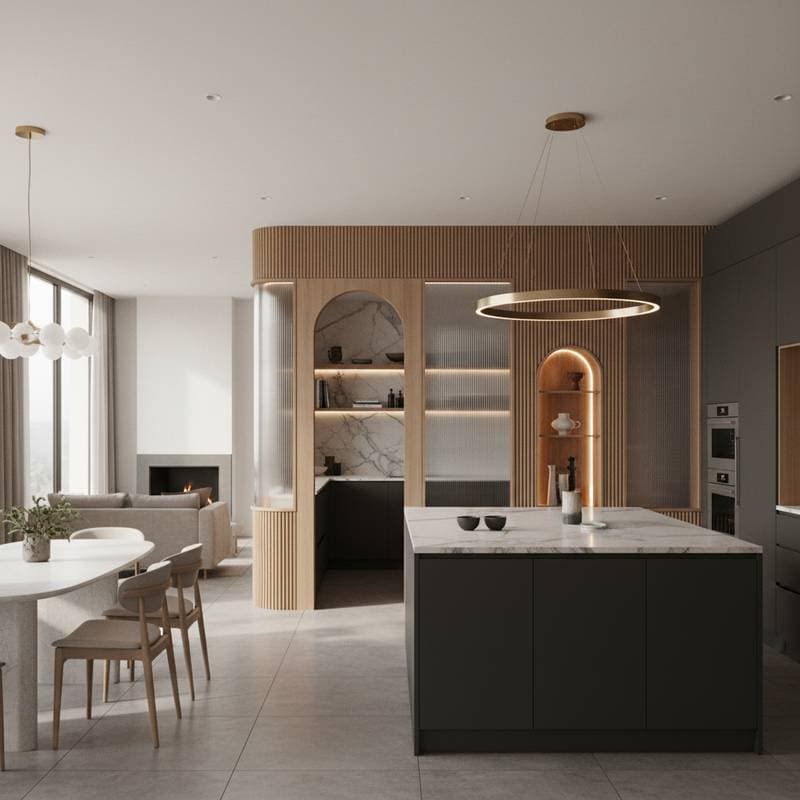
A recent project illustrated this effectively. A partial wall with a frosted glass panel separated a kitchen from the dining room. The owner noted enhanced coziness during extended cooking sessions, free from household distractions.
To illustrate further, energy savings can reach up to 15 percent in homes with zoned heating, according to design studies. Privacy also supports mental well-being, as individuals retreat to focused spaces amid busy schedules.
Practical Steps for Implementation
Transitioning to a walled kitchen requires thoughtful planning. Begin by evaluating daily routines. Determine if background noise enhances or hinders cooking, or if solitude aids concentration during complex recipes.
For modest changes, install a half-height barrier topped with shelving for storage. Sliding panels offer flexibility, opening for gatherings and closing for seclusion. An expansive archway provides subtle division while preserving light flow.
Incorporate lighting strategically to delineate areas. Install focused pendants above dining surfaces to create a separate glow. Without structural alterations, reposition furniture like islands or cabinets to form natural dividers. A strategic console table or vertical greenery can simulate boundaries seamlessly.
Budget considerations matter. Partial walls cost approximately 20 percent less than full reconstructions, often completed in a weekend. Consult local builders for permits if load-bearing walls are involved.
Embracing Zoned Living for Modern Homes
This revival of walls promotes adaptability over rigid openness. Homes become versatile, supporting both social events and personal retreats. The result is a living environment that aligns with diverse needs.
If open kitchens have lost their charm, this trend offers renewal. Divided spaces introduce intentionality, enhancing daily comfort without sacrificing connectivity. Consider how such modifications could elevate your home's functionality and appeal.