The Closed Kitchen Revival: Understanding the 2026 Shift
Open-concept kitchens once dominated modern homes, showcased in countless design magazines and television programs. However, practical challenges such as cooking odors, excessive noise, and visual mess have prompted a significant change. In 2026, many homeowners opt to restore walls and enclosures, creating distinct cooking zones that enhance overall living comfort.
A national survey of remodeling preferences reveals that approximately 45 percent of respondents favor at least partial kitchen separation. This preference drives demand for targeted renovations, ranging from complete wall installations to innovative partitions. The key considerations involve balancing costs with long-term benefits, ensuring the project aligns with both lifestyle needs and property value.
Detailed Cost Analysis for Restoring Kitchen Separation
The expense of converting an open kitchen to a closed one varies based on the existing layout, local labor rates, and material selections. Projects often require adjustments to utilities and finishes to achieve a seamless integration. Below is a breakdown of typical national average costs for essential components.
- Framing and drywall installation for new walls: $2,500 to $5,000, influenced by wall length, height, and material quality such as standard gypsum board versus moisture-resistant options.
- Electrical modifications, including outlet relocation and lighting updates: $800 to $2,000, depending on the complexity of wiring changes to comply with safety codes.
- HVAC and ventilation rerouting: $700 to $1,500, essential for maintaining air quality in the enclosed space.
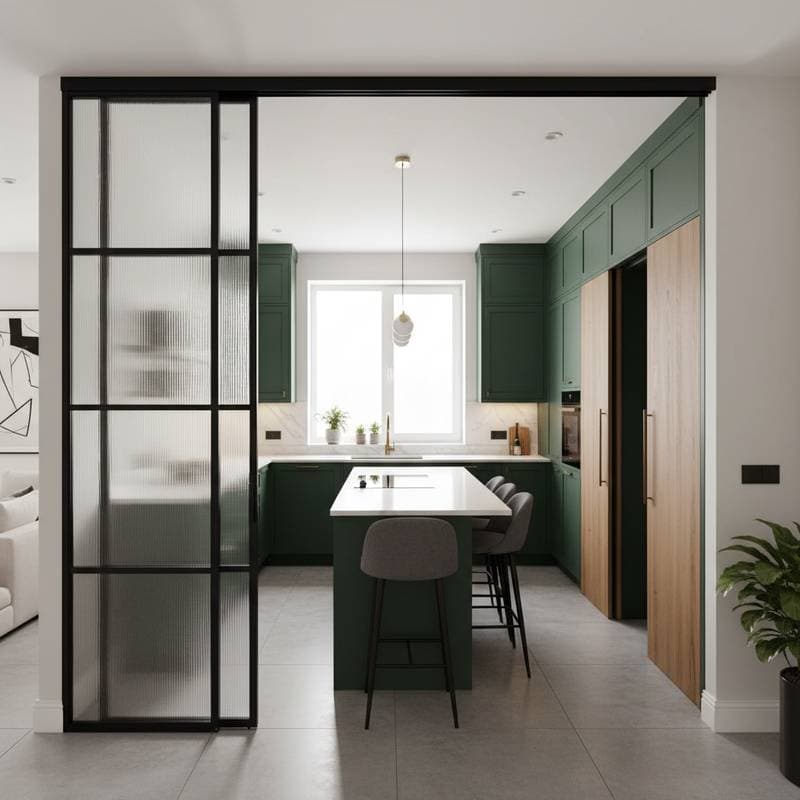
- Door additions, such as hinged swing doors or space-saving pocket doors: $600 to $1,200, with costs rising for custom sizes or hardware.
- Painting, trim work, and surface finishing: $500 to $1,000, to ensure the new elements blend with surrounding areas.
For a standard project in a mid-sized kitchen, total costs range from $4,000 to $9,000. Incorporating features like frosted glass panels or built-in cabinetry can increase expenses to $12,000 or more. Regional factors, such as higher labor in urban areas, may adjust these figures by 20 to 30 percent.
Renovation consultant Aaron Wells from Northline Build Group notes, "People think adding walls is simple, but the hidden costs are in rerouting utilities and matching finishes. If your flooring runs continuously through the kitchen, you may need to patch or replace sections for a clean finish."
Common Pitfalls and How to Sidestep Them in Kitchen Enclosures
Transforming an open kitchen into a closed one offers privacy and focus, yet poor execution can lead to functional issues. Homeowners frequently encounter challenges that diminish the space's appeal or increase future expenses. Addressing these upfront ensures a successful outcome.
Ventilation Oversights
Enclosing a kitchen amplifies the importance of effective air circulation. Without adequate exhaust systems, odors and moisture linger, potentially damaging cabinetry or promoting mold growth. Select a range hood with at least 400 cubic feet per minute airflow capacity, positioned directly above cooking surfaces.
Lighting Deficiencies
Reduced natural light in a closed kitchen demands thoughtful illumination strategies. Relying solely on overhead fixtures creates harsh shadows and uneven brightness. Incorporate a mix of recessed ceiling lights, under-cabinet strips, and task lighting over counters to maintain a welcoming atmosphere.
Permit and Code Neglect
Local building regulations often mandate permits for structural alterations, even minor ones like partial walls. Skipping this step risks fines up to $2,000 and potential orders to undo the work. Consult your municipal office early to identify requirements and hire licensed professionals for compliance.
Excessive Personalization
Choices that reflect individual style, such as bold colors or ornate details, may deter future buyers. Opt for versatile neutrals in flooring, walls, and hardware to safeguard resale potential. This approach preserves the home's broad marketability while allowing personal touches in non-structural elements.
Architect Jana Ruiz of Form+Function Design explains, "Clients often underestimate the ripple effect of a single wall. It affects electrical circuits, sightlines, and even furniture layout. Planning it right prevents expensive second rounds of work."
Budget-Friendly Strategies for Implementing Kitchen Closures
Embarking on a kitchen enclosure project requires strategic planning to control expenses without compromising quality. Begin with a professional assessment to evaluate structural feasibility and obtain precise quotes. This step identifies potential obstacles, such as load-bearing elements, and refines the scope.
Securing Competitive Bids
Solicit estimates from at least three contractors to compare pricing and services. Factor in their experience with similar projects and review portfolios for examples of seamless integrations. Regional variations mean urban quotes may exceed suburban ones by 15 to 25 percent.
Material Reuse and Sourcing
Repurpose existing doors, trim, or cabinet doors from other home areas to cut costs significantly. Explore salvage yards or online marketplaces for affordable, high-quality pieces that match your aesthetic. This method not only saves money but also adds a unique, sustainable character to the renovation.
Phased Implementation Approach
Introduce temporary solutions like room dividers or curtains to test the closed layout before committing to permanent changes. If the separation proves beneficial, proceed to full construction. This incremental method allows adjustments based on real use, potentially avoiding unnecessary expenditures.
Maintaining Design Cohesion
Select flooring and paint that extend from adjacent rooms into the kitchen for a unified appearance. Avoid mismatched patches by planning material quantities in advance. Consistent finishes elevate the perceived value and make the space feel expansive despite the enclosure.
Enhancing Home Value Through Thoughtful Kitchen Separation
A well-executed closed kitchen serves as a serene hub for meal preparation, insulated from living areas. This design choice reduces daily distractions and promotes efficient workflows, appealing to families and professionals alike. Beyond immediate comfort, such renovations can increase property resale value by 5 to 8 percent, according to industry benchmarks.
To maximize returns, focus on durable, timeless elements that align with buyer preferences. Document the project with before-and-after photos and receipts for future disclosures. Ultimately, restoring kitchen boundaries reclaims personal space, fostering a more harmonious home environment tailored to modern demands.