
Essential Features for Cost-Effective Outdoor Kitchens in 2026
The National Kitchen and Bath Association's Outdoor Living Report indicates that 61 percent of homeowners intend to add an outdoor kitchen in their next renovation. However, only 40 percent adhere to their initial budget due to escalating material prices, intricate utility installations, and overlooked labor demands. To construct an economical outdoor kitchen in 2026, identify expense drivers and implement safeguards for each expenditure.
This guide highlights key elements that maximize value while minimizing financial strain. Emphasis falls on strategic investments, transparent budgeting, and effective project oversight, transforming your outdoor kitchen into a durable asset rather than an expense.
Selecting Durable and Low-Maintenance Materials
Outdoor kitchens endure relentless exposure to sunlight, humidity, and fluctuating temperatures. Opting for inexpensive materials invites frequent and expensive repairs. Focus on long-term cost per year of service instead of initial outlay alone.
Recommended Options:
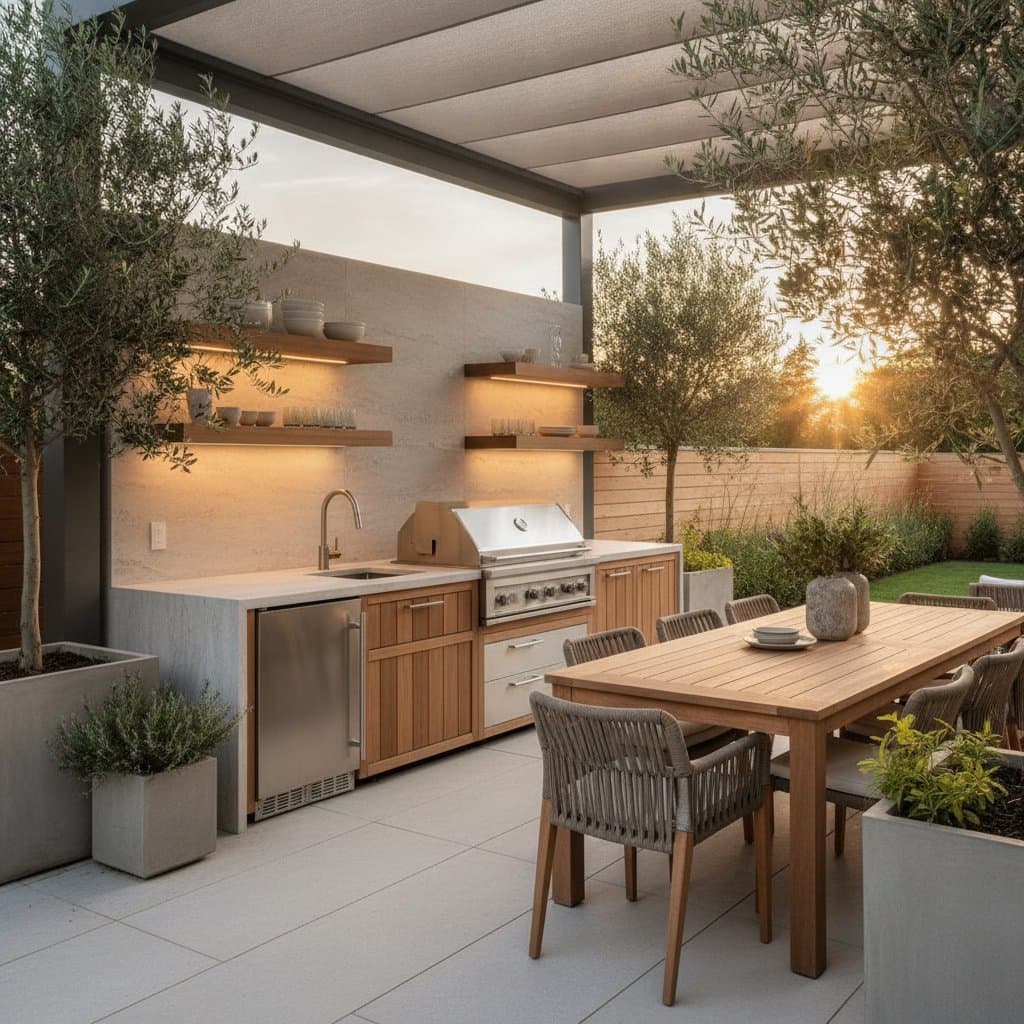
- Powder-coated aluminum cabinetry: This choice runs 20 percent below stainless steel pricing and withstands corrosion and color degradation effectively.
- Concrete countertops: Installation averages $65 per square foot, roughly half the rate of natural stone, with sealing options for enhanced stain resistance.
- Porcelain tile surfaces: These provide a stone-esque look at about $35 per square foot and demand little ongoing care.
Professional Perspective:
"Homeowners frequently prioritize visual appeal over upkeep requirements," notes Marcus Hill, Project Manager at GreenBuild Outdoor Concepts. "A low-cost material requiring annual resealing may ultimately double the overall ownership expense."
Optimizing Utility Layout for Efficiency
Plumbing and electrical installations often emerge as unforeseen budget drains. The Remodeling Cost Report reveals that these elements can claim 20 to 30 percent of total project funds. Reduce these outlays by grouping appliances near current utility lines.
Implementation Steps:
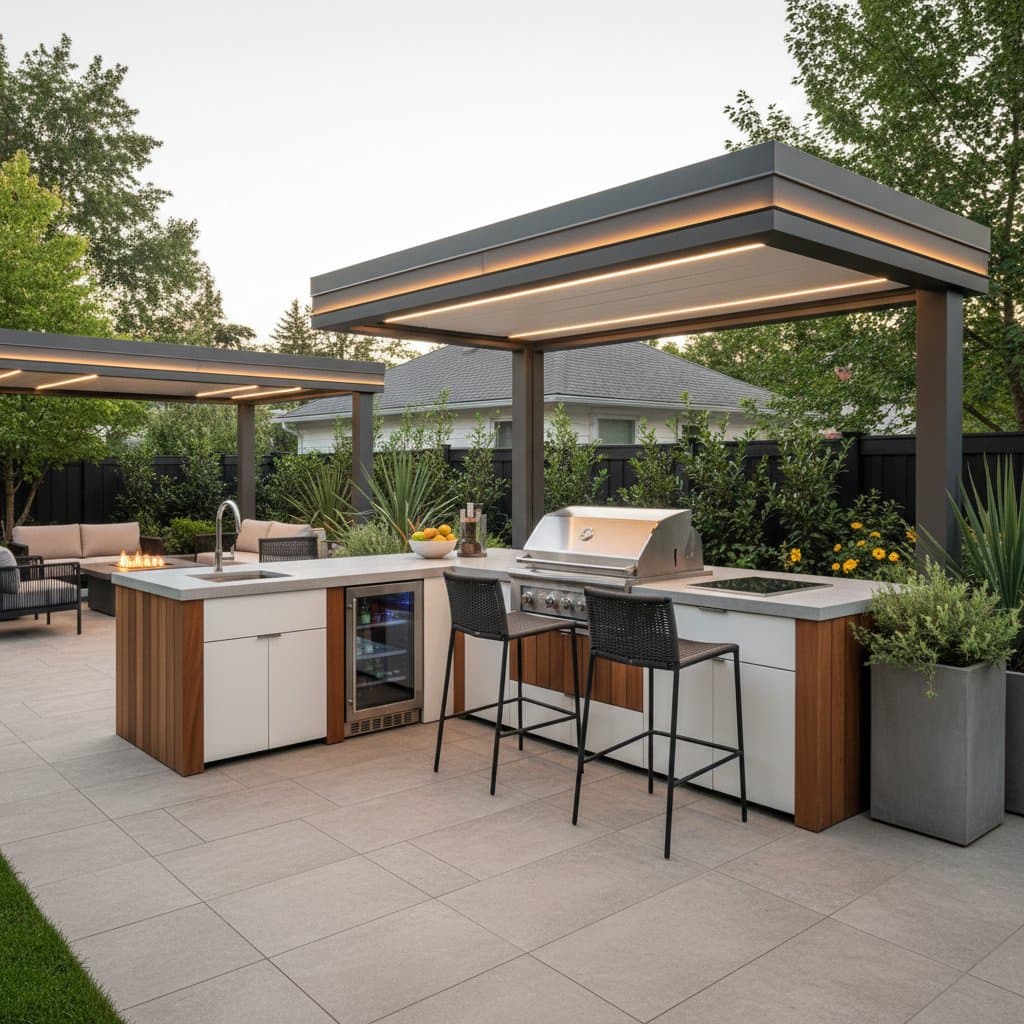
- Locate sinks and refrigerators adjacent to interior plumbing connections.
- Employ weather-resistant extension circuits in place of new buried lines, where regulations allow.
- Consider propane or portable gas systems if natural gas lines prove inaccessible.
Expert Advice:
"Each additional foot of trenching escalates expenses," explains Jorge Alvarez, licensed general contractor at Coastal Outdoor Renovations. "Map out the layout considering utilities prior to any digging. This approach alone prevents thousands in unnecessary costs."
Applying Value Engineering from the Start
Value engineering involves scrutinizing every design component for optimal cost-performance balance before breaking ground. This method pinpoints areas of high return on investment and eliminates wasteful spending. A brief consultation with a designer typically yields savings exceeding the fee.
Hands-On Examples:
- Substitute cast-stone panels for natural stone veneer at half the expense.
- Select prefabricated cabinet bases over bespoke masonry constructions.
- Install a single preparation sink instead of dual setups.
Specialist View:
"One hour of design review averts hundreds in subsequent modifications," states Chen. "Those who integrate value engineering at the outset seldom surpass their allocated funds."
Designing for Year-Round Use
Many overlook the financial impact of seasonal inactivity, which diminishes investment returns. Structures built for extended usability, even in temperate regions, enhance value per dollar invested.
Affordable Upgrades:
- Incorporate a freestanding propane heater, priced from $200 to $400.
- Fit weatherproof liners in cabinetry to combat moisture buildup.
- Add detachable wind barriers around cooking areas.
These modifications cost far less than extensive redesigns yet prolong practical use throughout additional seasons.
Enhancing Storage and Waste Management
Thoughtful storage and disposal systems streamline operations and cut maintenance efforts. Integrated cabinets, retractable trash compartments, and sealed drawers obviate the need for extra furnishings or outbuildings.
Pricing Overview:
- Weatherproof storage drawers: $250 to $600 each
- Pull-out waste bins: $150 to $300
- Modular cabinet inserts: $100 to $400
Such features boost daily convenience and shield tools and provisions from elemental harm, thereby lowering long-term replacement needs.
Safeguarding Your Outdoor Kitchen Investment
Sustained efficiency in an outdoor kitchen requires regular attention. Conduct yearly evaluations for corrosion, sealant degradation, and equipment performance. Allocate a modest annual reserve, equivalent to 2 percent of the project total, for upkeep. This forward-thinking strategy may prolong the structure's lifespan by ten years or longer.
Key Financial Strategies:
- Document all invoices for possible home improvement tax benefits.
- Update homeowner's insurance to cover added installations and fixtures.
- Analyze regional market trends to project resale enhancements.
Achieving a financially sound outdoor kitchen in 2026 demands precise planning and expert guidance. Prioritize adaptable layouts, robust components, and rigorous expense management to realize substantial savings and enduring benefits.