
2026 Two-Tone Cabinets: Costs and Installation Insights
Two-tone cabinets provide a versatile solution for modern kitchens, combining aesthetic appeal with functional benefits. This design technique uses two distinct colors or finishes to add depth and visual interest, making spaces feel more dynamic and personalized. Homeowners appreciate how this approach conceals everyday wear while elevating the overall ambiance.
Before committing to this style, consider the financial implications and technical requirements. The following sections outline key considerations, from color selection to professional installation, ensuring informed decisions that align with practical living.
Selecting Colors for Balance and Harmony
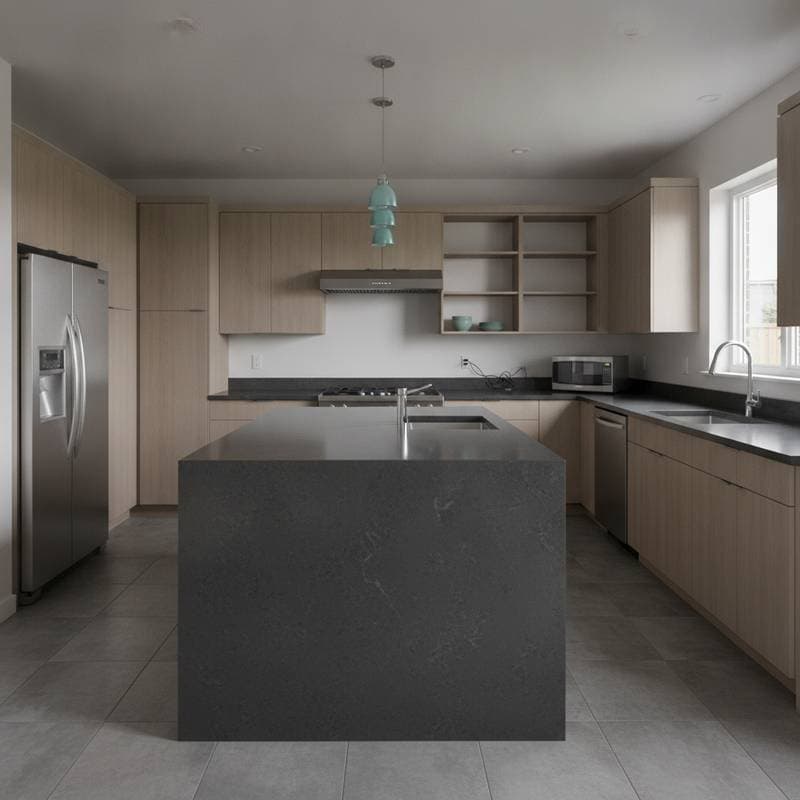
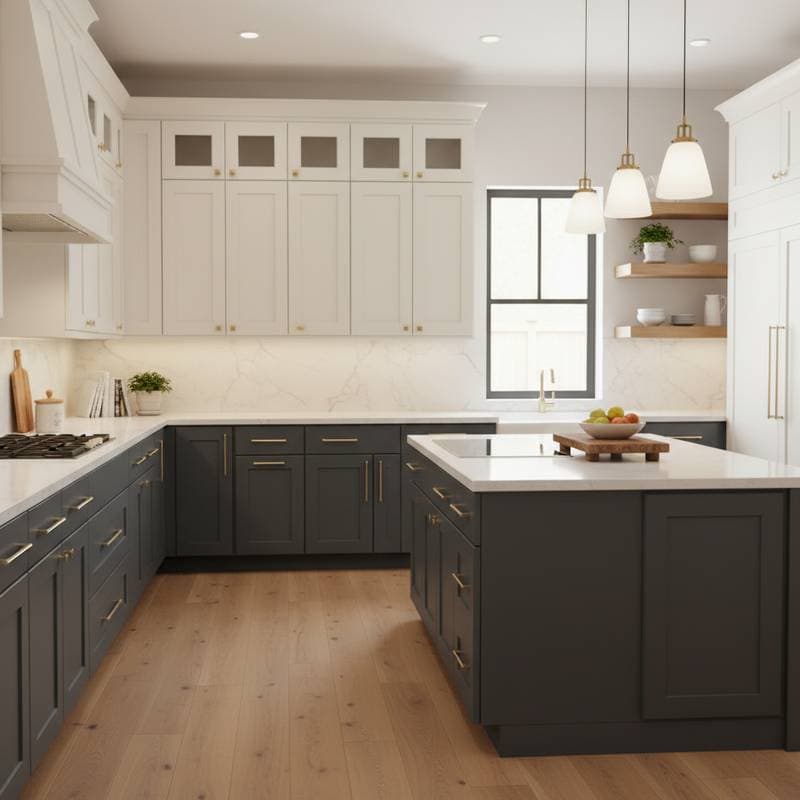
Effective two-tone designs rely on thoughtful color pairing to enhance rather than overwhelm the kitchen. Position darker shades on lower cabinets to anchor the room, while lighter tones on upper cabinets create an illusion of height and openness. This configuration promotes a sense of calm and directs attention to key areas, such as countertops and appliances.
Test color samples in the actual kitchen environment to account for natural and artificial light variations. For instance, a navy lower cabinet paired with white uppers offers classic contrast, whereas sage green bases with cream uppers introduce subtle warmth. Avoid high-contrast combinations like bright yellow unless the space receives ample daylight, as they may appear jarring over time.
Understanding the Costs Involved
The expense of implementing two-tone cabinets varies based on the method chosen and the kitchen's size. Custom cabinetry, fabricated with dual finishes from the outset, delivers seamless results but increases costs by approximately 25 percent compared to single-color options. For a standard 10-by-12-foot kitchen, expect to invest between $12,000 and $25,000, including materials and labor.
Refacing or repainting existing cabinets presents a more affordable alternative, often costing $4,000 to $8,000 for professional services. This option preserves structural elements while updating the appearance, provided the cabinets remain in good condition. Inspect doors and hinges for stability beforehand to prevent future repairs.
A hybrid strategy involves replacing select components, such as base cabinets or an island, while retaining upper units. This targeted update can range from $5,000 to $15,000 and allows gradual experimentation with colors. Factor in additional expenses for hardware and finishes to obtain a complete cost estimate.
Essential Installation Techniques
Proper installation ensures the longevity and visual coherence of two-tone cabinets. When ordering new units, specify uniform sheen levels across all pieces, such as semi-gloss for durability and easy cleaning. Mismatched finishes can create distracting reflections that detract from the design.
For painting projects, begin by removing doors and drawers, then label each piece with its location using removable tape. Sand surfaces thoroughly to remove old finishes, apply a high-quality primer, and allow each coat of paint to cure fully for 24 hours. Professionals recommend two to three topcoats for a smooth, resilient surface that withstands daily use.
Incorporate lighting assessments during installation. Install sample bulbs to evaluate color accuracy; warm LEDs (2700K) complement earthy tones, while cooler options (4000K) accentuate cool hues like gray or blue. Adjust cabinet alignment to one-eighth inch tolerances for a polished fit.
Enhancing with Hardware and Complementary Elements
Hardware selection amplifies the two-tone effect, serving as focal points that tie the design together. Opt for brass knobs on darker bases to introduce metallic warmth, or matte black pulls on lighter uppers for contemporary edge. Mixing metals works if echoed in other fixtures, such as faucets or pendant lights, maintaining overall unity.
Coordinate cabinet colors with flooring and countertops for cohesive flow. Light upper cabinets balance dark wood floors, preventing a heavy atmosphere, while stone surfaces in neutral tones provide a neutral backdrop for bold pairings. These integrations ensure the kitchen functions as a harmonious whole.
Maximizing Long-Term Value and Enjoyment
Two-tone cabinets adapt well to evolving lifestyles, masking minor imperfections like scratches or spills with their varied surfaces. Regular maintenance, including gentle cleaning with mild soap, preserves the finish and color vibrancy. This durability contributes to the design's appeal over years of use.
Ultimately, this approach transforms standard kitchens into inviting, efficient environments. By balancing aesthetics with practicality, homeowners achieve spaces that support daily routines while inspiring creativity. Consider consulting local experts to tailor the design to specific needs and preferences.