
The 2025 Kitchen Evolution: Embracing Walls for Smarter Design
Modern homes showcase diverse kitchen configurations, from seamless flows into living areas to distinct, partitioned zones. Professional designers adhere to core principles that prioritize usability and longevity. The resurgence of closed kitchens addresses genuine lifestyle demands, as homeowners recognize how walls elevate cooking routines, streamline operations, and enhance property appeal.
This trend marks a thoughtful progression rather than a retreat to the past. Walls provide essential boundaries that foster efficiency and comfort. The following ten expert rules outline the advantages, demonstrating how enclosed designs align with contemporary needs.
Rule 1: Minimize Noise Disruption
Problem: Open kitchens amplify cooking sounds, such as blenders whirring or pots clanging, which echo throughout the home.
Context: In shared living spaces, these noises interrupt conversations, work, or relaxation in adjacent rooms.
Solution: Solid walls absorb and contain auditory disturbances, creating quieter zones for the rest of the house.
Technical Detail: Select materials like insulated drywall with a sound transmission class rating of at least 45 to effectively dampen echoes. Integrate acoustic seals around doors to prevent sound leakage.
Benefit: Peaceful living areas that support family harmony and focused activities beyond the kitchen.
Rule 2: Control Air and Odor Movement
Problem: Open layouts allow cooking aromas and grease particles to spread rapidly, infiltrating bedrooms and living spaces.
Context: Advanced hoods often fall short in expansive designs, leading to persistent odors that require constant airing.
Solution: Enclosing walls direct airflow toward targeted ventilation, isolating scents at the source.
Technical Detail: Install a hood with a capacity of at least 350 cubic feet per minute for standard cooktops, connected to an exterior duct for optimal expulsion.
Benefit: Fresher indoor air, simplified cleaning, and a more inviting atmosphere throughout the home.
Rule 3: Optimize Lighting Distribution
Problem: Without barriers, natural and artificial light scatters unevenly, leaving work areas dim or overly bright in adjacent spaces.
Context: Open plans complicate precise illumination for tasks like chopping or reading recipes.
Solution: Walls enable focused lighting setups, such as under-cabinet strips or recessed fixtures, tailored to kitchen functions.
Technical Detail: Use layered lighting with 300-500 lux for countertops and dimmable options for ambiance; position walls to capture window light without glare spillover.
Benefit: Enhanced visibility for safe, efficient cooking and reduced energy use through directed illumination.
Rule 4: Create Visual Order
Problem: Exposed kitchens display every spill or appliance, turning minor disarray into a constant eyesore for guests or family.
Context: Maintaining an impeccable appearance proves challenging amid daily routines.
Solution: Walls hide utilitarian elements, permitting relaxed use without aesthetic compromise.
Technical Detail: Employ partial walls or screens at least 4 feet high to block views of sinks and prep areas while preserving airflow.
Benefit: A more organized aesthetic that eases household stress and impresses visitors effortlessly.
Rule 5: Improve Energy Efficiency
Problem: Open designs lead to heat loss or gain from cooking appliances, straining heating and cooling systems.
Context: In variable climates, this inefficiency raises utility costs and discomfort levels.
Solution: Closed spaces retain conditioned air, allowing appliances to operate with less environmental impact.
Technical Detail: Insulate walls to an R-value of 13 or higher and seal gaps to minimize drafts; integrate energy-efficient appliances rated for enclosed use.
Benefit: Lower energy bills, consistent temperatures, and a smaller carbon footprint for sustainable living.
Rule 6: Strengthen Storage and Structure
Problem: Limited wall space in open kitchens restricts cabinetry, forcing reliance on bulky islands that hinder movement.
Context: Compact homes demand maximal use of vertical areas for organization.
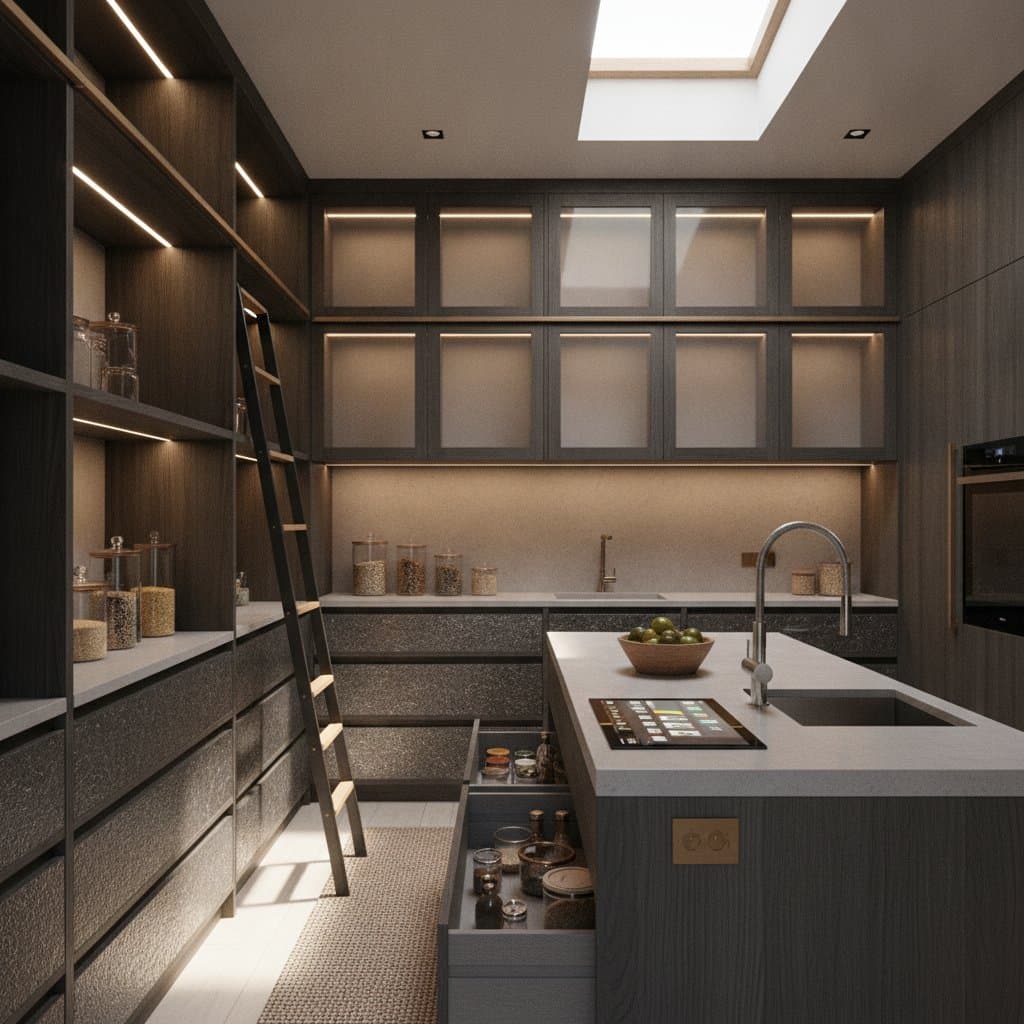
Solution: Enclosed layouts support extensive built-ins, from floor-to-ceiling units to hidden pantries.
Technical Detail: Ensure 15 inches of adjacent counter space near appliances; use reinforced framing for shelves holding up to 100 pounds per linear foot.
Benefit: Ample, ergonomic storage that transforms the kitchen into a high-performing hub.
Rule 7: Enhance Privacy for Focused Tasks
Problem: Constant visibility in open plans discourages private activities like meal prep or family discussions at the counter.
Context: Hosts often feel observed during casual gatherings or solo cooking sessions.
Solution: Walls offer seclusion, enabling undisturbed use while allowing selective interaction via pass-throughs.
Technical Detail: Design entry points with 36-inch widths for easy passage; add frosted glass panels for light without full exposure.
Benefit: Personal space that supports concentration and intimate moments within the home.
Rule 8: Reinforce Safety and Accessibility
Problem: Unrestricted access in open kitchens exposes vulnerable household members to hazards like hot surfaces or spills.
Context: Active families require clear delineations to prevent accidents during meal preparation.
Solution: Boundaries guide movement, concentrating risks in controlled areas.
Technical Detail: Widen doorways to 32 inches minimum and fit lever-style handles for universal access; install non-slip flooring transitions.
Benefit: Reduced injury risks and seamless navigation for all ages and abilities.
Rule 9: Boost Aesthetic Versatility
Problem: Open kitchens lock designs into uniform styles, limiting personalization across rooms.
Context: Evolving tastes benefit from compartmentalized updates without whole-home overhauls.
Solution: Walls permit independent styling, such as bold colors or textures confined to the kitchen.
Technical Detail: Paint or wallpaper enclosed surfaces with durable, washable finishes; use modular cabinetry for quick style shifts.
Benefit: Flexible decor that adapts to preferences, increasing long-term satisfaction and marketability.
Rule 10: Plan for Future Adaptability
Problem: Permanent open layouts limit modifications as family dynamics or market preferences change.
Context: Forward-thinking designs accommodate life's transitions without costly rebuilds.
Solution: Incorporate reversible elements like removable panels for evolving needs.
Technical Detail: Frame with standard 2x4 studs and headers supporting 150 pounds per foot; opt for track systems for sliding partitions.
Benefit: Versatile spaces that maintain value and align with future lifestyles.
Applying These Principles to Your Home
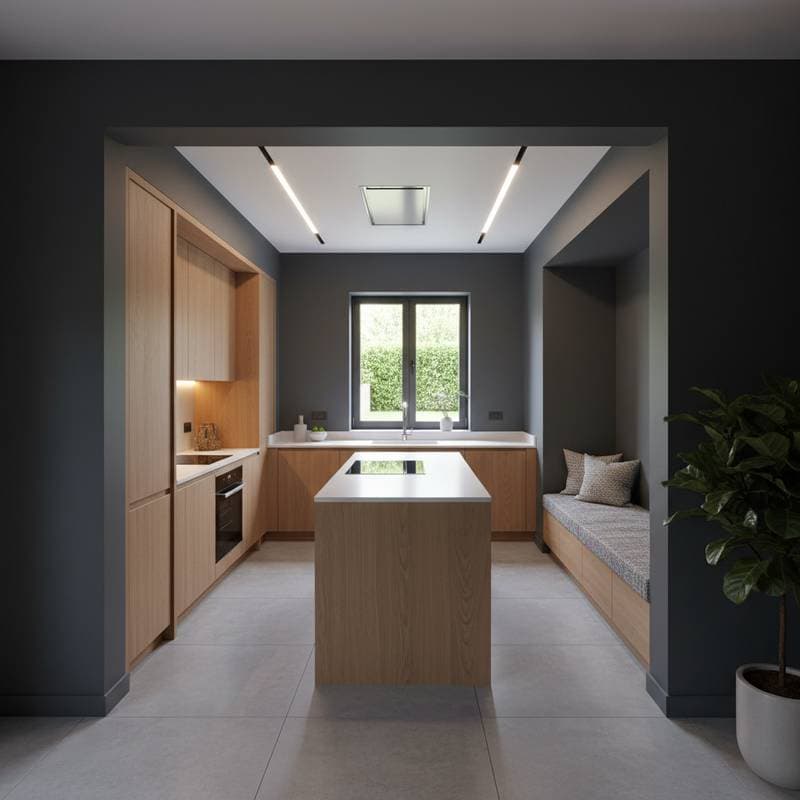
Enclosed kitchens balance seclusion with connectivity through features like glass doors or upper windows. Observe your current setup: Identify pain points in noise, visibility, or flow. Consider consulting a designer to map enclosure options that fit your space and budget.
Ultimately, these rules empower kitchens that serve real purposes. They deliver privacy, efficiency, and enduring appeal, ensuring your home evolves with you.