
Open Shelving vs Cabinets: 2026 Kitchen Cost Comparison
Envision a kitchen that aligns with your daily routine. One option features open shelves displaying select dishware for easy access. The alternative involves cabinets that secure items behind doors for a streamlined appearance. Both approaches enhance functionality, yet the selection between open shelving and cabinets hinges on financial and practical considerations.
This choice shapes the kitchen environment, workflow, and overall usability. By examining actual expenses, alongside performance aspects, homeowners gain insights to select a solution that matches their needs and preferences.
Overall Cost Analysis
Kitchen storage decisions often prioritize cabinets for their reliability and ability to conceal items, which supports property value. Open shelving appeals to individuals desiring a more approachable and visible arrangement. A comprehensive evaluation extends past initial material expenses to include labor, durability, and adaptability.
Expenses fluctuate based on project scope, selected materials, and professional involvement versus self-installation. General benchmarks for 2026 provide a foundation for budgeting, assuming moderate-sized kitchens in standard urban settings.
Cabinet Expenses
Cabinets represent a substantial portion of remodel budgets, typically ranging from $200 to $500 per linear foot for installation. Basic stock units from retailers cost around $100 per linear foot, while semi-custom options climb to $300, and fully custom designs reach $500 or more. These figures account for materials such as laminate or plywood, plus hardware like hinges and pulls.
Installation demands skilled labor due to exact measurements and alignment, adding $50 to $150 per linear foot. For a 10-foot wall of cabinets, expect total costs between $2,500 and $6,500. Unique kitchen layouts or integrated appliances increase these amounts, yet the investment yields optimized space utilization.
Open Shelving Expenses
Open shelving proves more economical, with costs averaging $50 to $200 per linear foot installed. Simple floating shelves in melamine or basic wood start at $30 per foot, whereas premium oak or metal designs approach $150. Brackets and anchors add minimal expense, often under $20 per shelf.
Homeowners frequently handle installation independently, limiting labor to $20 to $50 per linear foot if professionals assist. A comparable 10-foot setup totals $500 to $2,500. This approach allows phased additions, such as starting with two shelves and expanding as needs evolve, without necessitating a complete overhaul.
Performance in Daily Operations
Beyond finances, evaluate how each option integrates into routines. Consider cooking frequency, household size, and storage preferences to determine suitability.
Advantages of Cabinets
Cabinets deliver enclosed protection for items against dust, moisture, and spills, ideal for active cooking environments. Deep drawers accommodate pots and utensils efficiently, while adjustable interiors organize pantry staples. This setup maintains order in larger families, reducing visible disarray.
However, cabinets introduce visual weight, potentially compressing smaller spaces. Upper units reaching ceilings amplify this effect, so measure room dimensions to avoid overcrowding. Select soft-close mechanisms to enhance longevity and ease of use.
Advantages of Open Shelving
Open shelving facilitates quick retrieval, perfect for displaying favorite mugs or spices in plain view. This visibility promotes organization, as items remain accessible without doors to open. In compact kitchens, shelves expand perceived space by allowing light to circulate freely.
Challenges include accelerated dust accumulation near cooking zones. Position shelves at least three feet from stoves and incorporate task lighting to highlight displays. Limit loads to 20 pounds per linear foot to prevent sagging, ensuring safe and stable support.
Design and Visual Impact
The appearance of storage influences the kitchen ambiance, blending form with function to create inviting spaces.
Cabinet Design Options
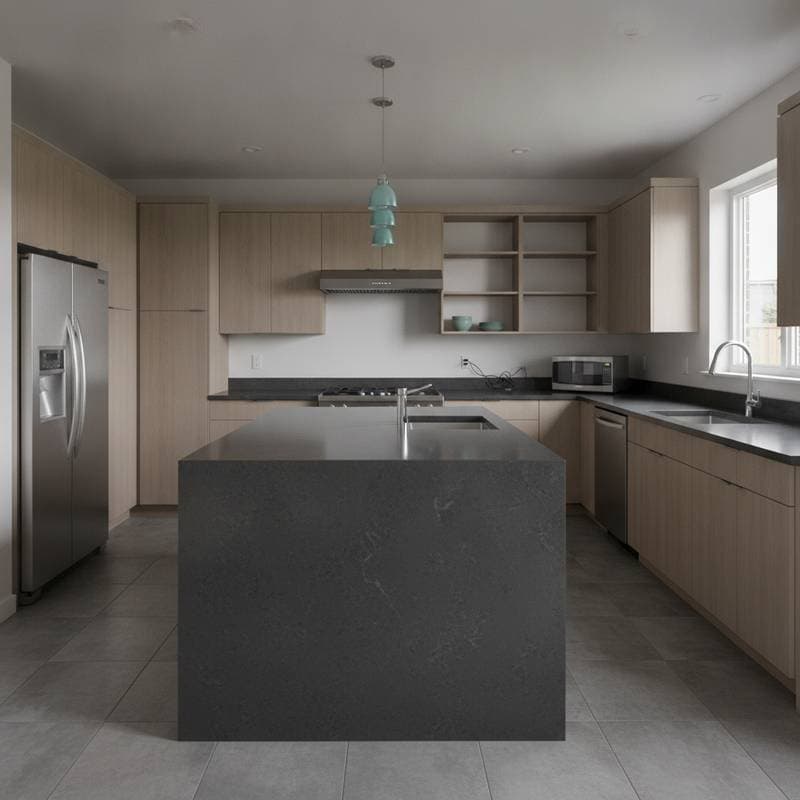
Cabinets adapt to diverse aesthetics, from shaker-style wood in warm tones to flat-panel lacquer in matte finishes. Incorporate glass-fronted doors for subtle visibility or solid panels for full concealment. These elements foster a unified look, with crown molding adding architectural detail.
In expansive kitchens, floor-to-ceiling cabinets maximize storage without dominating. For cohesion, match finishes to countertops and flooring, such as pairing white cabinets with quartz surfaces for a crisp, enduring style.
Open Shelving Design Options
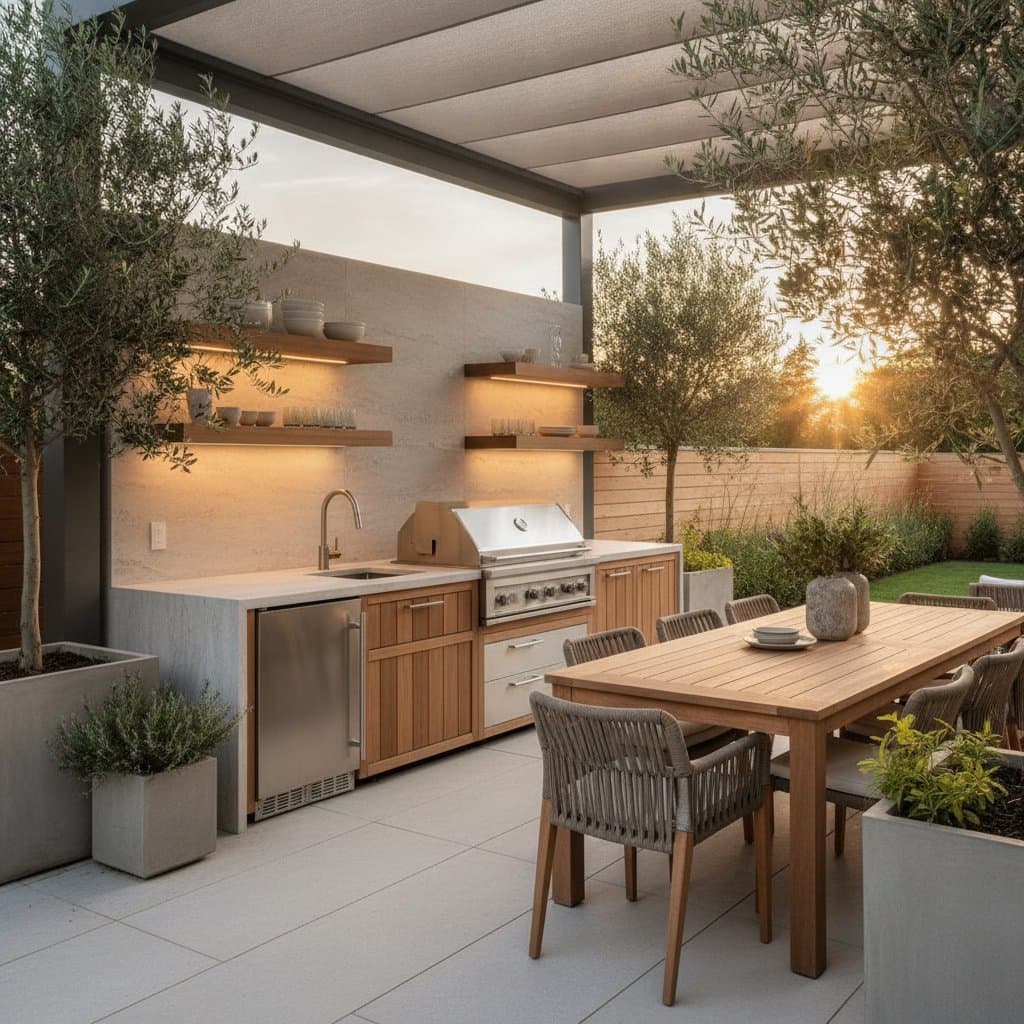
Open shelving introduces openness and customization, showcasing collections like vintage jars or artisanal bowls. Materials vary from reclaimed barn wood for rustic charm to sleek glass for modern elegance. Bracket styles, such as pipe fittings, reinforce thematic consistency.
This format suits light-filled rooms, where shelves frame views and integrate greenery. Arrange items in odd-numbered groupings for visual balance, and rotate displays seasonally to maintain freshness without overwhelming the area.
Upkeep and Durability
Long-term care determines the sustained value of storage choices in a demanding kitchen setting.
Cabinet Upkeep
Quality cabinets withstand daily demands through sealed surfaces that repel stains and heat. Clean with mild soap solutions quarterly, and inspect hardware annually for adjustments. Refinishing painted units every 5 to 7 years preserves appearance, particularly in high-moisture zones.
Invest in moisture-resistant materials like marine-grade plywood for sink-adjacent areas. These measures ensure cabinets endure 15 to 25 years, justifying initial costs through reliable performance.
Open Shelving Upkeep
Exposed shelves demand frequent dusting, ideally weekly in cooking vicinities. Use microfiber cloths and avoid abrasive cleaners to protect finishes. Secure installations with toggle bolts into studs for heavy loads, checking stability biannually.
Opt for sealed woods or powder-coated metals to minimize wear. This routine, though more hands-on, cultivates a dynamic space that evolves with usage, often lasting 10 to 20 years with proper care.
Setup Process and Adaptability
The mechanics of implementation affect timelines, disruptions, and future modifications.
Cabinet Setup
Professional installation spans 3 to 7 days for standard projects, involving leveling, shimming, and securing to walls. Coordinate with countertop fitting to integrate seamlessly. Custom orders extend lead times to 8 to 12 weeks.
Once fixed, alterations require demolition, so draft detailed layouts using software tools beforehand. This permanence suits long-term residents seeking enduring solutions.
Open Shelving Setup
Installation completes in 1 to 2 days, often as a solo task with basic tools like a drill and level. Mark stud locations precisely to distribute weight evenly. Modular systems allow repositioning without structural changes.
This agility benefits transient households or design enthusiasts, enabling updates like adding LED under-shelf lighting for enhanced functionality.
Sustainability and Personal Alignment
Align selections with values such as eco-responsibility and routine compatibility.
Sustainable Practices
Choose FSC-certified woods for cabinets to support responsible sourcing, reducing deforestation impacts. Open shelving minimizes material use, favoring upcycled pallets or bamboo for low-carbon footprints.
Both reduce waste through durable designs; select low-VOC finishes to improve indoor air quality. Longevity trumps trends, ensuring choices align with environmental goals without frequent replacements.
Personal Routine Alignment
Open shelving fits minimalists who curate visible essentials, streamlining access for solo cooks. Cabinets serve multitaskers in family settings, hiding bulk for serene surfaces.
Assess habits: frequent entertainers may blend both for flexible display. Prototype arrangements with temporary setups to confirm fit before finalizing.
Integrating Both Approaches
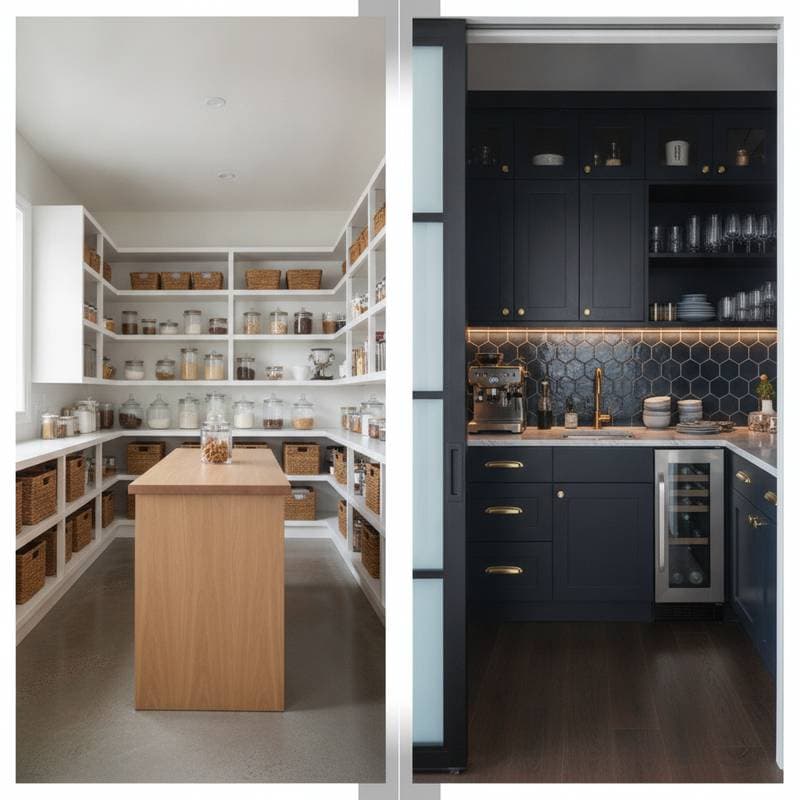
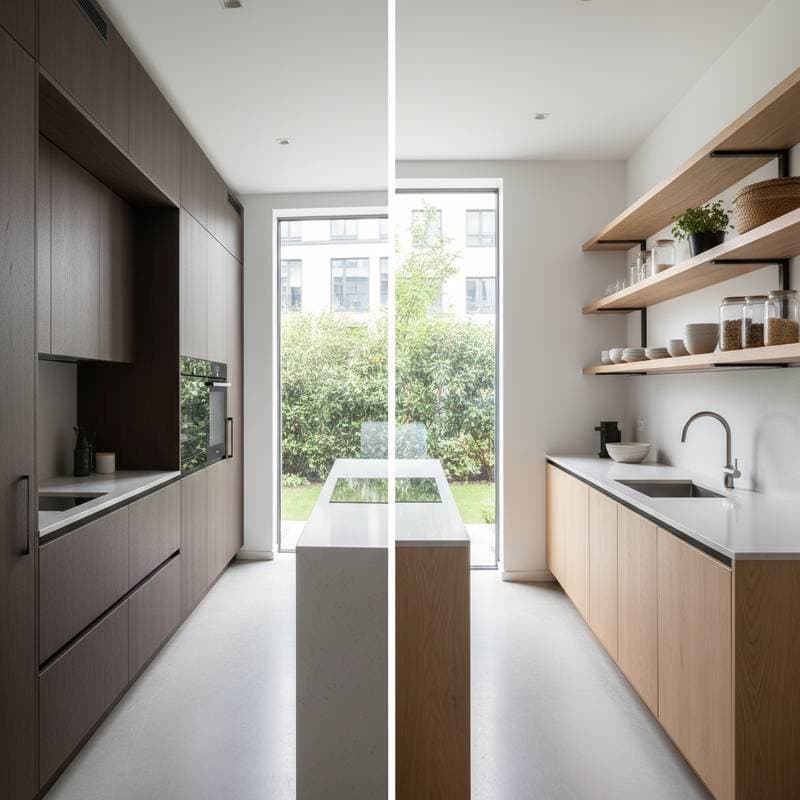
Hybrid configurations optimize benefits, such as base cabinets for heavy items paired with upper shelves for daily essentials. This setup controls costs by limiting cabinetry to 60 percent of storage needs.
Allocate open sections to non-greasy zones, like above islands, for aesthetic focus. Consult measurements to balance proportions, creating versatile zones that adapt to evolving lifestyles.
Optimizing Kitchen Usability
Post-installation, refine arrangements for efficiency. For shelves, employ bins to group items and prevent clutter. Cabinets benefit from pull-out organizers to access rear spaces easily.
Regular evaluations ensure the design supports routines, fostering a space that enhances cooking and gathering. Select based on enduring needs for a kitchen that delivers joy and practicality daily.