
2026 Kitchen Layout Mistakes Costing Thousands
This article examines the most frequently revised kitchen projects from leading design platforms over recent months. Homeowners and professionals describe how visually appealing kitchens turn into costly headaches without sound layout principles. These examples focus on functional oversights rather than style choices, such as inefficient islands or poorly lit zones, to illustrate the value of thoughtful spatial design.
Professionals emphasize that aesthetics alone fail to deliver lasting utility. Consider the challenges of integrating a large sink into a compact urban space, where movement and visibility demand priority. The following sections detail common layout errors, their impacts, and precise strategies for avoidance.
1. Disrupted Work Triangle
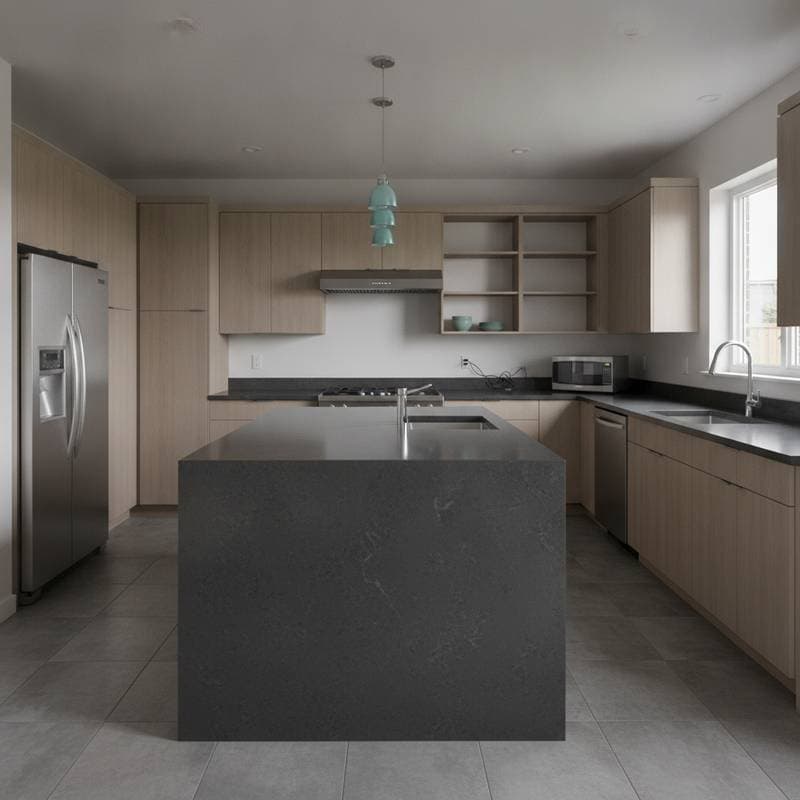
The work triangle connects the sink, stove, and refrigerator for efficient cooking. In remodels from New York apartments to suburban homes, designers observe that blocking this path with cabinets or furniture leads to frequent collisions and wasted steps. Such disruptions extend meal preparation time by up to 30 percent and increase accident risks during busy routines.
To establish an effective triangle, measure distances between key appliances to keep each leg between 4 and 9 feet. Position the sink centrally with clear counter space on both sides for chopping and draining. This arrangement streamlines tasks, reduces physical strain, and integrates seamlessly with surrounding elements for a balanced overall design.
2. The Oversized Island
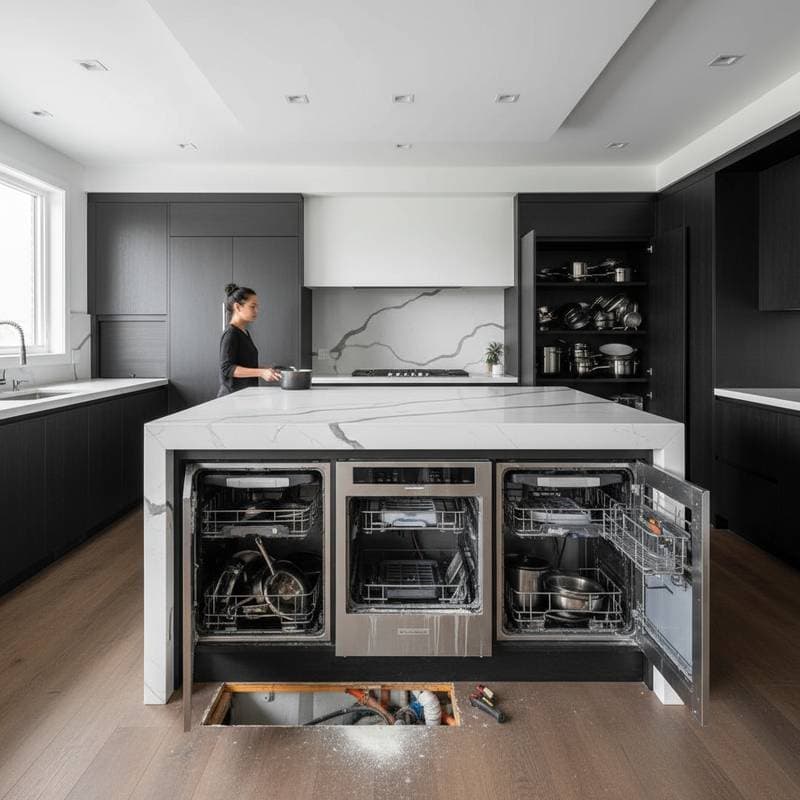
Luxury renovations in cities like Miami and Vancouver often feature expansive islands that overshadow the space. Professionals from studios such as Lila Chen report that these installations, clad in materials like Calacatta marble and oak, narrow pathways to less than 36 inches, complicating navigation and social interactions.
Scale islands appropriately by limiting their width to 48 inches maximum in medium-sized rooms. Allocate at least 42 inches of clearance around all sides to accommodate multiple users comfortably. This approach transforms the island into a versatile hub for prep, dining, or serving while harmonizing with adjacent cabinetry for visual equilibrium.
3. The Forgotten Lighting Plan
Homeowners frequently prioritize surface materials over illumination, resulting in dim workspaces. In urban condos and seaside homes, firms like Robert Flynn Interiors note inadequate lighting over sinks and counters, where decorative fixtures alone cast uneven shadows and hinder precision tasks.
Develop a layered system with general overhead recessed lights for ambient coverage, under-cabinet strips for task illumination, and dimmable pendants above key zones. Select warm-toned LEDs that complement reflective surfaces, such as glossy tiles, to enhance visibility and create an inviting atmosphere adaptable to morning coffee or evening gatherings.
4. The Corner Cabinet Trap
Corners promise expanded storage but often deliver inaccessibility. In compact kitchens across London and Seattle, teams at Atelier Grey describe deep shelves that trap items beyond reach, rendering premium interiors in woods like walnut ineffective for everyday use.
Incorporate mechanical aids such as lazy Susans or sliding shelves that extend fully for easy retrieval. Adjust shelving heights to align with frequent items, ensuring pots and appliances remain within arm's reach. These modifications optimize capacity, foster organized habits, and contribute to a fluid, intentional aesthetic throughout the space.
5. The Appliance Cluster
Grouping major appliances on a single wall appeals to streamlined looks but compromises usability. Projects by Grace Hollis Design reveal overloaded circuits and squeezed counters, where stainless units appear unified yet force cooks into tight quarters during operation.
Distribute elements across dedicated zones: place the refrigerator near entry points, the stove adjacent to ventilation, and the dishwasher by the sink for logical progression. Maintain 15 inches of counter space beside each for staging. This distribution enhances safety by isolating heat and moisture, while visually pacing the layout for a sense of openness and control.
6. The No-Pantry Problem
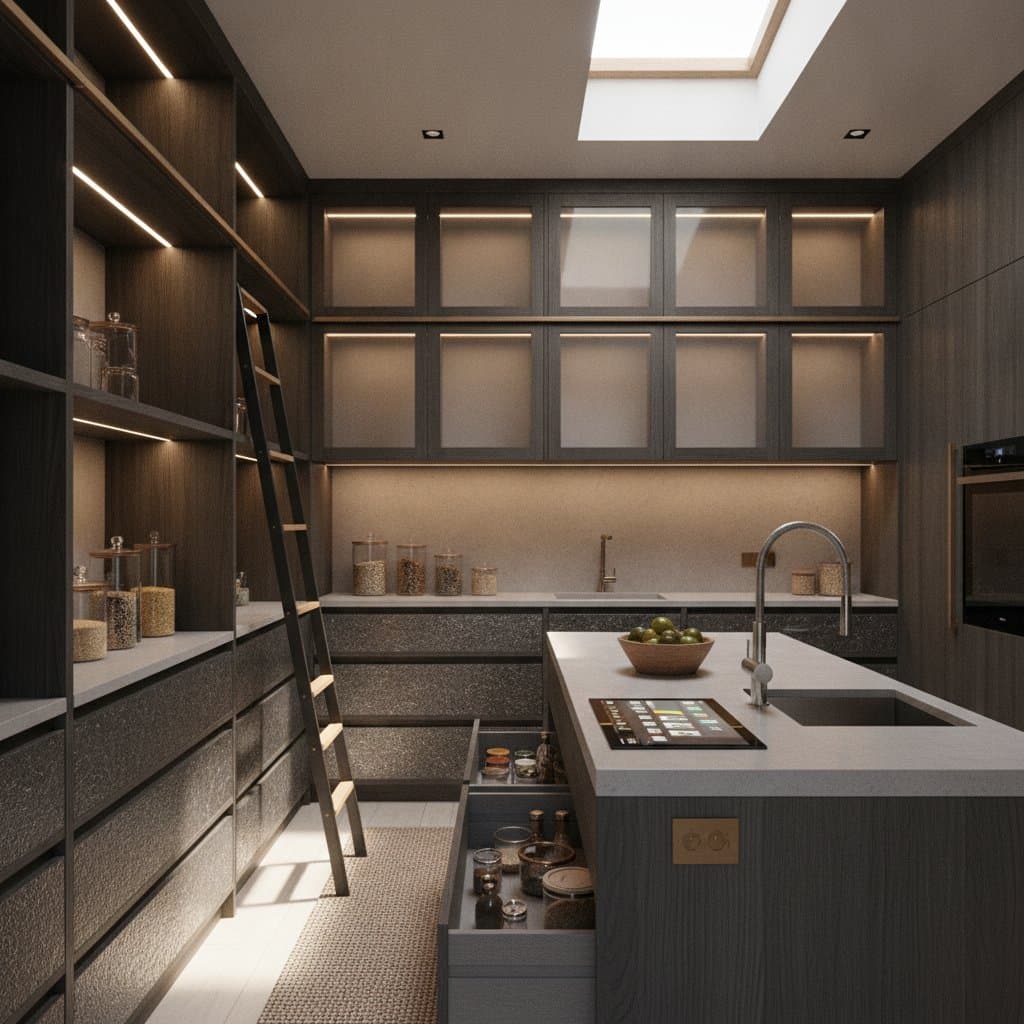
Minimalist trends eliminate pantries in favor of open shelving, leading to surface clutter. Experts at Westfield Design Group identify this as a top regret in sleek, lacquer-finished kitchens, where bulk items disrupt the intended serene appearance.
Integrate concealed solutions like tall pull-out units or modular wall panels that hide dry goods without altering facades. Organize contents with adjustable dividers to separate spices, grains, and tools efficiently. Such features preserve a polished exterior, support streamlined routines, and prevent the visual chaos that undermines modern designs.
Optimizing Your Kitchen for Daily Use
Effective kitchens balance form and function through deliberate planning. Sketch traffic patterns, verify appliance clearances, and simulate routines to anticipate needs. Prioritize accessible storage and ample prep areas to accommodate family dynamics or entertaining.
Professionals who blend personal habits, such as collecting dishware or preparing family meals, underscore the longevity of practical choices. These elements ensure the space remains efficient and attractive, delivering value that endures beyond initial installation.