Understanding Modular Cabinets in 2026: Costs and Installation Essentials
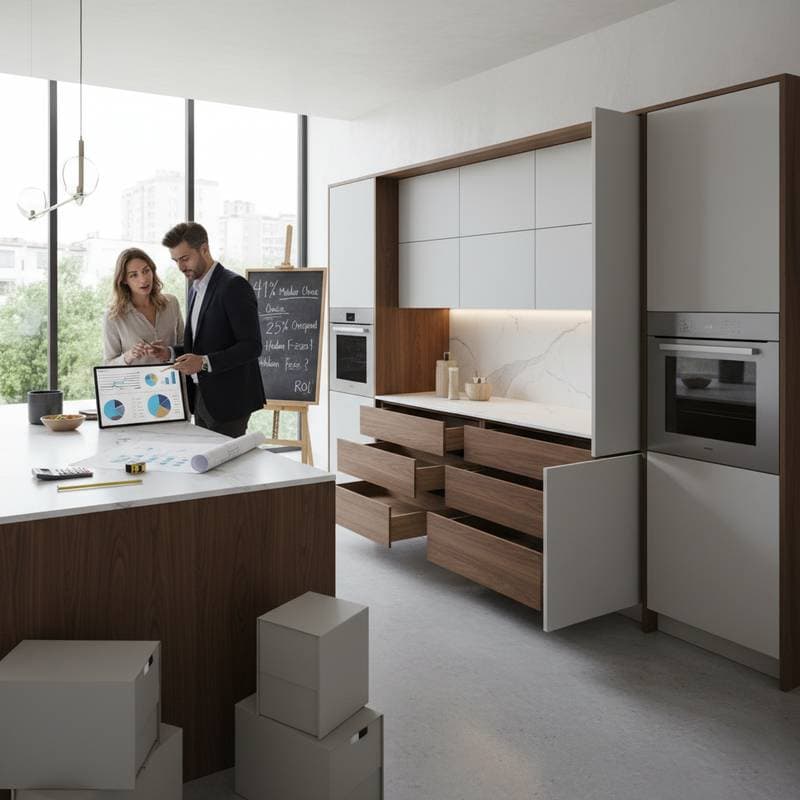
The National Kitchen and Bath Association's latest Kitchen & Bath Market Index reveals that 41 percent of kitchen renovators select modular cabinetry for its budget-friendly nature and swift setup. However, almost half of these individuals underestimate total costs by up to 25 percent. As the modular cabinet sector grows rapidly, grasping pricing models, setup methods, and concealed expenses proves vital for budget adherence.
This comprehensive guide dissects the actual financial landscape of modular cabinets. It demonstrates methods to compute dependable costs, oversee installation periods, and execute informed hiring choices that safeguard your funds. By applying these insights, homeowners achieve efficient renovations without unexpected financial strain.
The Appeal of Modular Cabinets for Today's Renovations
Modular systems attract project managers and builders through standardized manufacturing and streamlined supply chains. Laura Hines, Senior Project Coordinator at Pacific Build Group with 18 years of experience, states, "Modular cabinetry has become the backbone of efficient kitchen remodels." She highlights how these options deliver reliable timelines and superior cost projections over fully custom constructions.
This reliability positions modular choices as favorites for budget-conscious investors and homeowners. Designers benefit from blending prefabricated modules with semi-custom elements, fostering both speed and innovation. Key decisions, such as selecting box materials, finish varieties, and hardware levels, directly shape financial results and long-term satisfaction.
Homeowners appreciate the versatility of modular designs, which adapt to diverse kitchen layouts without extensive alterations. For instance, base cabinets in standard depths of 24 inches fit most counter heights, while upper units at 12 inches deep maximize storage in tight spaces. These features reduce waste and accelerate project completion, often shaving weeks off traditional timelines.
Decoding Pricing Structures and Hidden Expenses
Modular cabinets typically range from $100 to $300 per linear foot, depending on materials and features. Basic melamine-coated particleboard units start at the lower end, while upgrades to plywood or maple veneers push costs higher. Labor for installation adds $50 to $150 per linear foot, varying by region and complexity.
Hidden fees frequently inflate budgets. Delivery charges can reach $200 to $500 for large orders, especially in rural areas. Site preparation, including demolition of old cabinets, may cost $1,000 or more if not planned ahead. Additionally, modifications for non-standard wall angles or plumbing adjustments often add 10 to 15 percent to the total.
To avoid these surprises, request itemized quotes that separate materials, labor, and extras. Compare bids from at least three suppliers, focusing on warranties and return policies. Tools like online cost calculators from industry associations help simulate expenses based on your kitchen dimensions and preferences.
Strategies to Enhance Return on Investment
Prospective buyers frequently inquire whether modular cabinets preserve value relative to bespoke alternatives. Resale potential hinges on utilization patterns, material durability, and local market norms. A Zillow housing trends study indicates that kitchens featuring expert-installed modular cabinets recover 65 to 80 percent of costs upon sale.
Value engineering elevates this recovery rate. Opt for premium facades on economical interiors to blend aesthetics with affordability. Anthony Delgado, Certified Kitchen Designer at UrbanForm Interiors, advises, "We often pair plywood carcasses with veneered or solid wood doors to balance durability and cost." This method typically cuts expenses by 18 percent while upholding visual appeal.
Prioritize durable hardware to extend usability. Soft-close mechanisms and full-extension drawer glides, priced at about $20 per unit, prevent sagging and enhance daily function. In busy households, these additions resist wear from frequent access, preserving cabinet integrity for over a decade.
Consider energy-efficient integrations, such as LED lighting strips under cabinets, which cost $50 to $100 but lower utility bills. Pairing modular units with sustainable materials like recycled composites appeals to eco-conscious buyers, potentially increasing home value by 5 percent in green markets.
Step-by-Step Installation for Optimal Results
Preparation sets the foundation for success. Measure your space meticulously, accounting for appliances and traffic flow. Order cabinets with a 10 percent buffer for cuts or errors, ensuring compatibility with your flooring type.
Upon arrival, store units in a stable environment to avert moisture damage. Begin installation post-flooring and electrical updates to minimize disruptions. Employ a phased approach: verify components before assembly, align units during mounting, and inspect finishes at completion. This process catches issues early, averting expensive fixes.
For self-managed projects, leverage digital tools like CoConstruct or Buildertrend. These platforms track expenditures, log contractor inputs, and monitor milestones, promoting fiscal discipline. A standard modular setup, from planning to finish, requires three to five weeks, influenced by lead times and preparation.
Hire certified installers with portfolios of similar projects. Verify licenses and insurance to protect against liability. Clear communication with suppliers and crews mitigates delays, which otherwise incur extra labor and storage costs.
Protecting and Prolonging Your Cabinet Investment
Routine care sustains modular cabinets' performance and appearance. Clean surfaces weekly with mild soap and a soft cloth, avoiding abrasive cleaners that dull finishes. Tighten hardware quarterly to prevent loosening from vibrations.
Address minor issues promptly, such as adjusting hinges for even door closure. Annual professional inspections, costing $100 to $200, detect structural weaknesses before they escalate. These habits extend lifespan, ensuring your renovation delivers lasting value and enjoyment.
By selecting quality materials and following these maintenance practices, homeowners maximize return on investment. Modular cabinets not only transform kitchens efficiently but also support enduring functionality and aesthetic appeal.