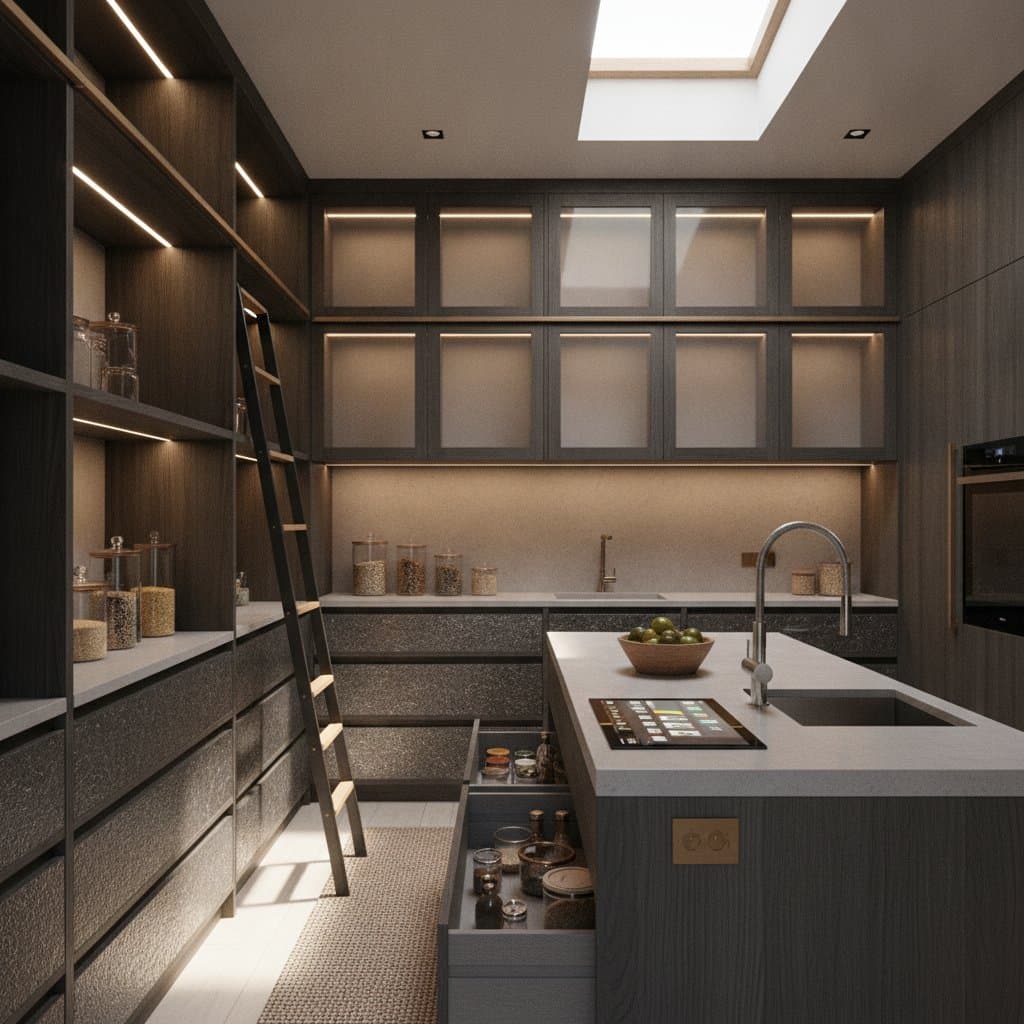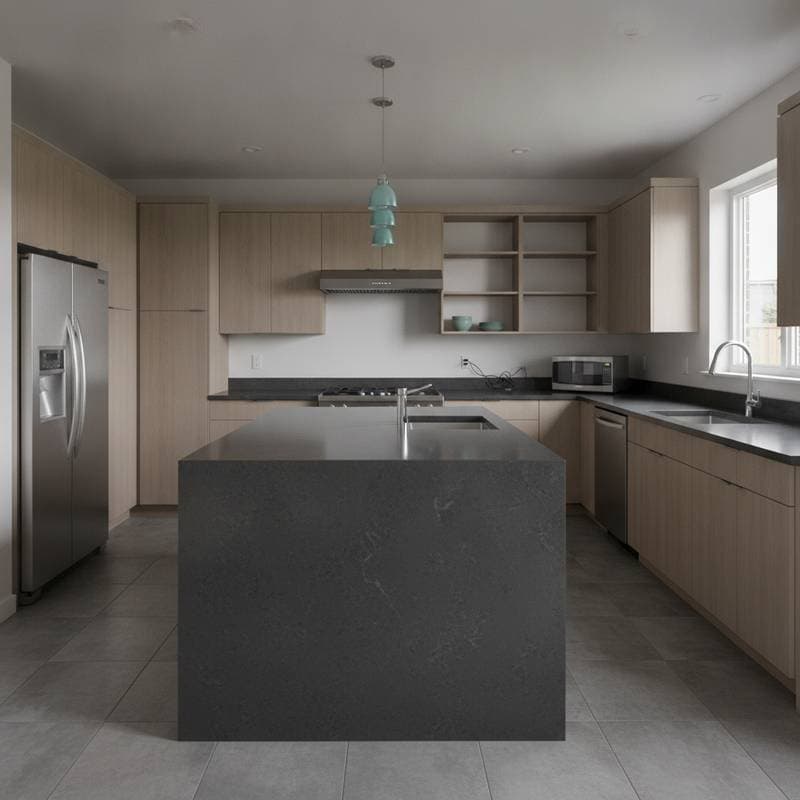

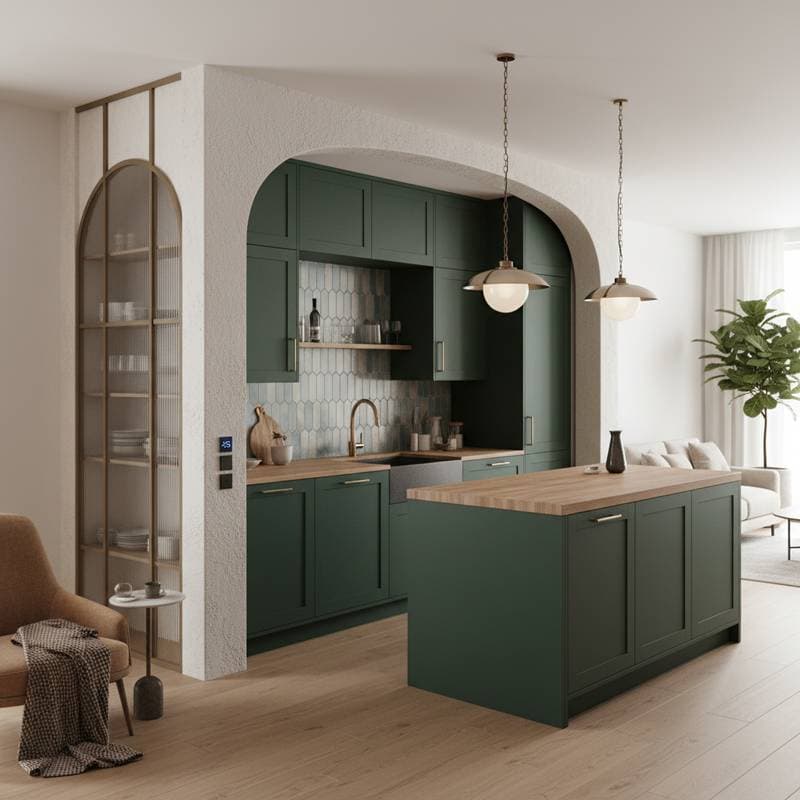
Why Walls Are Making a Comeback in 2025 Kitchen Remodels
A recent National Kitchen and Bath Association survey reveals that 62 percent of homeowners renovating their kitchens prefer more separation between cooking and living areas. This preference marks a shift away from the open-concept designs that dominated the past decade, where walls came down to form expansive shared spaces. Factors such as increasing remodeling expenses, noise disturbances, and demands for greater privacy now position enclosed kitchens as a sensible option.
For homeowners focused on fiscal responsibility, this trend emphasizes practical advantages over mere aesthetics. Enclosed layouts promote superior cost management, enhanced energy savings, and effective space division that aligns with contemporary lifestyles. The reintroduction of walls serves as both a strategic design choice and a sound economic strategy.
Shifts in Professional Perspectives
Industry experts including contractors, appraisers, and real estate professionals now view enclosed kitchens as valuable enhancements. These spaces improve mechanical performance, manage sound levels, and support better insurance ratings related to fire prevention. Distinct rooms also facilitate precise HVAC zoning, which can decrease energy expenses by as much as 18 percent based on Energy Star projections.
Real estate consultant Marcus Lee from Reform Property Advisors notes, “Buyers have become more budget-aware. Enclosed kitchens let homeowners heat or cool smaller zones, which directly reduces utility bills. That is a selling point in nearly every market.”
In terms of project execution, enclosed designs streamline renovation processes. Teams can operate in isolated sections, minimizing delays and interactions between trades. Such organization typically leads to quicker timelines and reduced need for modifications.
Evaluating Budgets and Return on Investment
Enclosed kitchens provide tangible financial benefits through operational efficiencies and heightened market desirability. According to Remodeling Magazine’s Cost vs. Value Report, projects featuring zoned kitchens recover up to 72 percent of invested costs at resale, surpassing the 65 percent average for open configurations in comparable areas.
Projects require a contingency allocation of 10 to 15 percent to address potential surprises like concealed wiring, obsolete plumbing, or inadequate insulation. Advance preparation for these elements ensures timelines remain intact and expenses stay managed.
Budget-conscious individuals might opt for partial solutions such as sliding panels or retractable dividers to achieve versatility at lower expense. Options like glass partitions or pocket doors blend separation with a sense of openness without demanding extensive building work.
Regional Factors and Professional Guidance
Preferences for kitchen layouts differ across regions. In cooler areas, enclosed designs retain warmth and limit air movement. In hotter climates, they trap cooking smells and optimize cooling system performance.
Prospective remodelers should reach out to local building authorities early to verify permitting needs for adding partitions. Requirements often include checks for electrical adjustments or airflow modifications.
Directories from organizations like the National Association of the Remodeling Industry or Houzz Pro connect users with qualified specialists skilled in creating zoned kitchen environments.
Safeguarding Your Remodel Investment
After completing an enclosed or partially enclosed kitchen, consistent upkeep preserves its value. Clean ventilation components regularly, particularly in setups with restricted air exchange to neighboring areas. Check seals on doors and wall insulation periodically to sustain optimal temperature regulation.
Record all expenditures, from materials to labor, for documentation purposes. These details aid in establishing resale worth and may qualify for tax benefits where eligible.
The resurgence of walls transcends stylistic preferences. It represents a pragmatic adaptation to household dynamics, prioritizing manageability and fiscal prudence. Homeowners who incorporate precise budgeting and expert input discover that strategic barriers deliver enduring advantages in home functionality and worth.