
Appliance Garages: The Key to a Clutter-Free Kitchen in 2026
The National Kitchen and Bath Association's recent consumer trends survey reveals that 58 percent of homeowners identify visible countertop clutter as their primary cooking frustration. An additional 41 percent note that disorganization discourages frequent home cooking. As kitchens serve multiple purposes, appliance garages provide an effective solution for improving both appearance and efficiency.
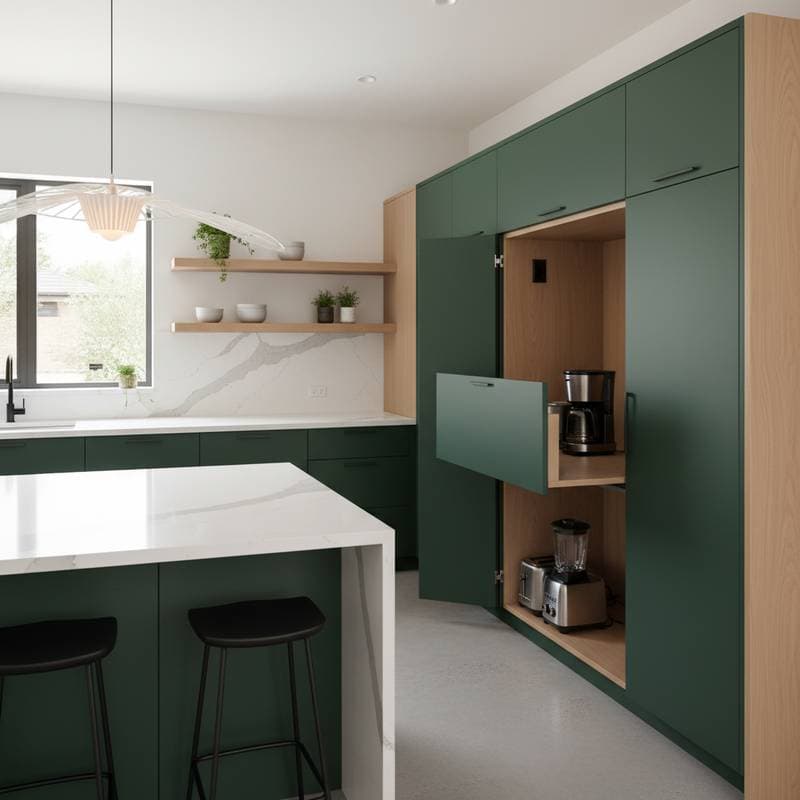
These units consist of built-in compartments within cabinetry that conceal small appliances. This design choice safeguards investments, elevates property appeal, and simplifies everyday tasks.
Reasons Homeowners Choose Appliance Garages
Rising numbers of household appliances intensify storage challenges. Houzz research indicates that typical American kitchens accommodate over eight countertop devices, such as coffee makers, air fryers, and blenders. These items occupy essential workspace and compromise visual harmony.
Cluttered surfaces may diminish a home's market value. Real estate analyst Morgan Ellis from Metro Property Data explains, "Buyers prefer streamlined kitchens. Appliance garages preserve that polished appearance while adding practical utility."
Beyond looks, these enclosures shield appliances from dust, grease splatters, and humidity. Such protection reduces repair expenses and prolongs device durability.
The Role of Designers in Promoting This Trend
Professionals in kitchen design view appliance garages as tools for value optimization. They emphasize storage enhancements that yield tangible benefits over mere cosmetic changes.
Certified Kitchen Designer Amanda Li from Form & Function Studios states, "Appliance garages feature in nearly every contemporary kitchen proposal. Clients seek features that offer lasting value. These installations outperform fleeting decorative elements in return on investment."
BuildSmart Consulting's Remodeling Cost Analysis shows that cabinetry integrations like appliance garages achieve 68 percent ROI upon resale. This exceeds returns from standard countertops and surpasses luxury lighting by a wide margin.
Planning Your Appliance Garage Installation
Assess Daily Routines
Review your kitchen habits to pinpoint appliance usage patterns and storage gaps. Position the garage near high-traffic areas, such as coffee stations or baking stations, to minimize disruptions.
Determine Dimensions
Appliance garages typically need 15 to 24 inches of depth and must fit standard cabinet heights. For oversized items, opt for custom builds, which raise expenses for materials and installation.
Select Door Styles
Consider roll-up tambour panels, side-sliding pocket doors, or upward-lifting mechanisms. Tambour options cost less but wear faster; lift systems require premium hardware, increasing budgets by 15 to 25 percent.
Incorporate Power Sources
Install a dedicated, grounded outlet within the unit to meet safety requirements. Verify compliance with local codes, including safeguards against moisture.
Estimate Expenses
Budget $600 to $1,200 for semi-custom units. Full customizations, factoring in premium finishes and wiring, may total $2,000.
Managing Costs Effectively
Incorporate appliance garages during major renovations to save up to 20 percent on labor through integrated fabrication. Retrofitting demands cabinet alterations and rewiring, adding $300 to $500 per installation.
North Coast Renovation Group's Mark Donovan notes, "Homeowners often overlook detailed finishing work. Achieving flawless cabinet integration extends project time. Allocate 10 percent extra for potential adjustments."
Match materials to current cabinetry for cohesion. While custom paints or veneers elevate costs, laminates or overlay doors offer budget-friendly alternatives with comparable style.
Addressing Potential Challenges
Common concerns include inadequate airflow, faulty wiring, and uneven doors, which risk appliance damage or structural issues.
SafeHome Systems' electrical engineer Carla Mendoza recommends, "Avoid extension cords in enclosed spaces. Engage a licensed electrician for grounded outlets to ensure code adherence and prevent hazards."
Opt for soft-close hinges and water-resistant interiors to withstand kitchen conditions. Inferior materials may degrade from steam and spills.
Selecting Reliable Professionals
Seek contractors skilled in custom storage solutions. Review portfolios featuring appliance garages and confirm certifications from the National Association of the Remodeling Industry.
Request these contract elements:
- Itemized estimates covering materials, labor, and electrical components
- Schedules with progress checks
- Warranties on cabinets and mechanisms
Professionals should supply 3D visualizations to preview functionality and layout.
Realizing Ongoing Advantages
Appliance garages reclaim about 20 percent more counter area, enhancing prep efficiency and reducing cleanup efforts.
Protective storage extends appliance life against daily exposure. For devices priced at $200 to $500, delayed replacements yield substantial savings.
UrbanEdge Realty's Jason Bell observes, "Appliance garages signal intentional, high-quality design to buyers. They enhance appeal without raising sale prices excessively."
Implement Your Upgrade
Appliance garages represent a prudent enhancement that merges utility with market strength. Evaluate workflows, set a comprehensive budget including modifications and electrics, and partner with experienced specialists.
This approach converts chaotic kitchens into efficient, attractive environments. Homeowners gain enduring performance and financial upside from this targeted improvement.