
2026 Wet Room Costs: Waterproofing That Saves Thousands
The concept of a wet room holds considerable appeal. Sleek tiles cover the surfaces, the floor features a seamless slope, and water moves freely across the space, evoking the atmosphere of a high-end spa. Imagine entering a serene environment with ambient lighting and a functional heated towel rail. In practice, such projects often involve standing amid construction debris, clutching a simple cup of tea, and questioning the reliability of assurances from tradespeople.
Home renovation dreams frequently meet the challenges of execution, and wet rooms exemplify this dynamic. These installations offer luxury and durability, provided that waterproofing receives thorough attention from the outset. Effective waterproofing prevents substantial repair expenses over time and maintains structural integrity.
Why Wet Rooms Deliver Luxury
A wet room appears streamlined and effortless. The floor inclines subtly toward a central drain, tiles reflect light elegantly, and the absence of shower enclosures eliminates maintenance concerns for doors and hardware. This design suits individuals seeking accessibility features or expanded spatial flow.
However, this aesthetic demands precise preparation. A robust waterproof membrane underpins the tiles to block moisture penetration into the subfloor. Failure in this system leads to issues such as moisture stains, deteriorating finishes, and potential structural damage to lower levels. Waterproofing thus serves as the essential foundation for the project's success.
Estimating Wet Room Costs
Cost projections represent a key consideration in any renovation. Wet rooms require investment beyond standard bathrooms, yet options exist across budgets based on material selections, spatial configurations, and labor requirements.
- Basic conversions typically incorporate essential waterproofing kits, straightforward drainage setups, and basic tile applications, with total costs ranging from $5,000 to $8,000 in 2026 estimates.
- Mid-range projects often integrate underfloor heating, advanced drainage mechanisms, and patterned wall tiles, pushing expenses to $10,000 through $15,000.
- High-end setups feature bespoke stone elements, premium fixtures, and seamless glass partitions, elevating costs to $20,000 or more.
Waterproofing constitutes the primary expense driver. This system encompasses a liquid-applied membrane, specialized sealing tapes for joints and corners, and tanking slurries for comprehensive wall and floor coverage. Neglecting quality here resembles constructing a facade without reinforcement; initial savings yield long-term vulnerabilities.
Consequences of Inadequate Waterproofing
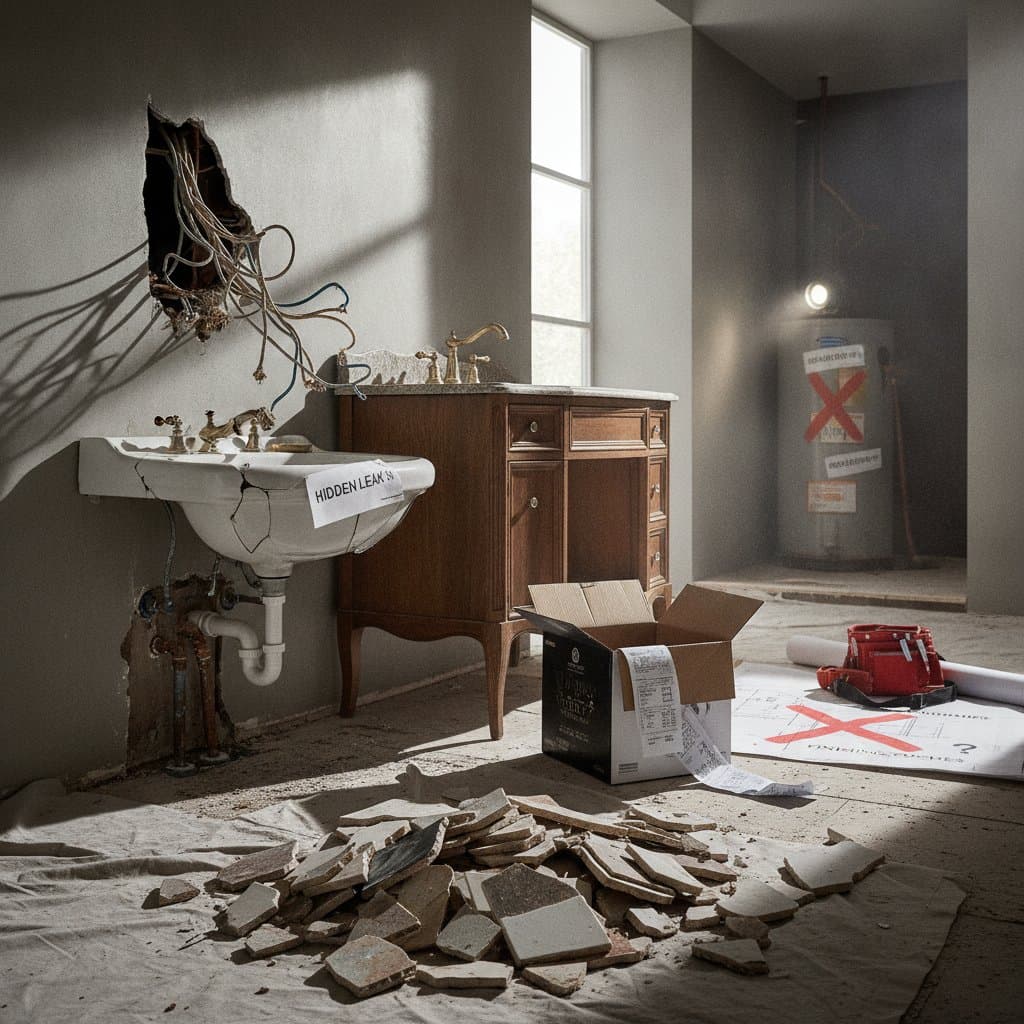
Consider a scenario where a modest bathroom undergoes conversion through partial DIY efforts and online guidance. Initial progress seems promising until moisture emerges in adjacent areas, such as hallway flooring. Investigation reveals deficiencies in the budget waterproofing application, particularly around drainage points, resulting in subfloor expansion and subsequent professional intervention.
This outcome underscores the risks of compromise. Investing in superior materials and expert installation ensures longevity, often spanning decades. Such foresight averts escalating repair bills and preserves the installation's performance.
Long-Term Financial Benefits
Proper waterproofing extends beyond leak prevention to yield ongoing efficiencies. Cleaning requires minimal effort due to reduced seams, the elimination of enclosure frames, and fewer recessed areas prone to residue buildup. This convenience translates to preserved leisure time.
Additionally, wet rooms optimize compact layouts by forgoing traditional shower bases, thereby enhancing perceived volume and spatial continuity. Upon resale, the contemporary design appeals to prospective buyers, potentially boosting property value through modern aesthetics.
Practical Layout Strategies
Design publications often showcase expansive wet rooms with multiple amenities, yet most households contend with constrained dimensions. Effective planning adapts to existing conditions for optimal results.
- In small bathrooms, situate the shower zone at the room's end with a 1:40 slope to the drain; select oversized tiles to minimize seams and simplify upkeep.
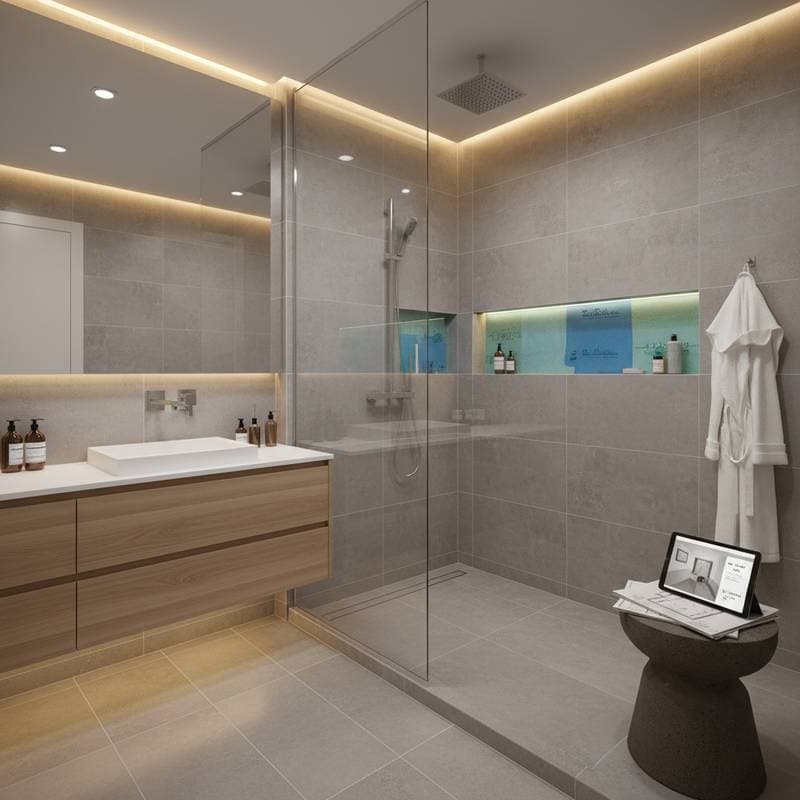
- For medium-sized areas, install a low-profile glass panel to direct water flow while preserving visual openness.
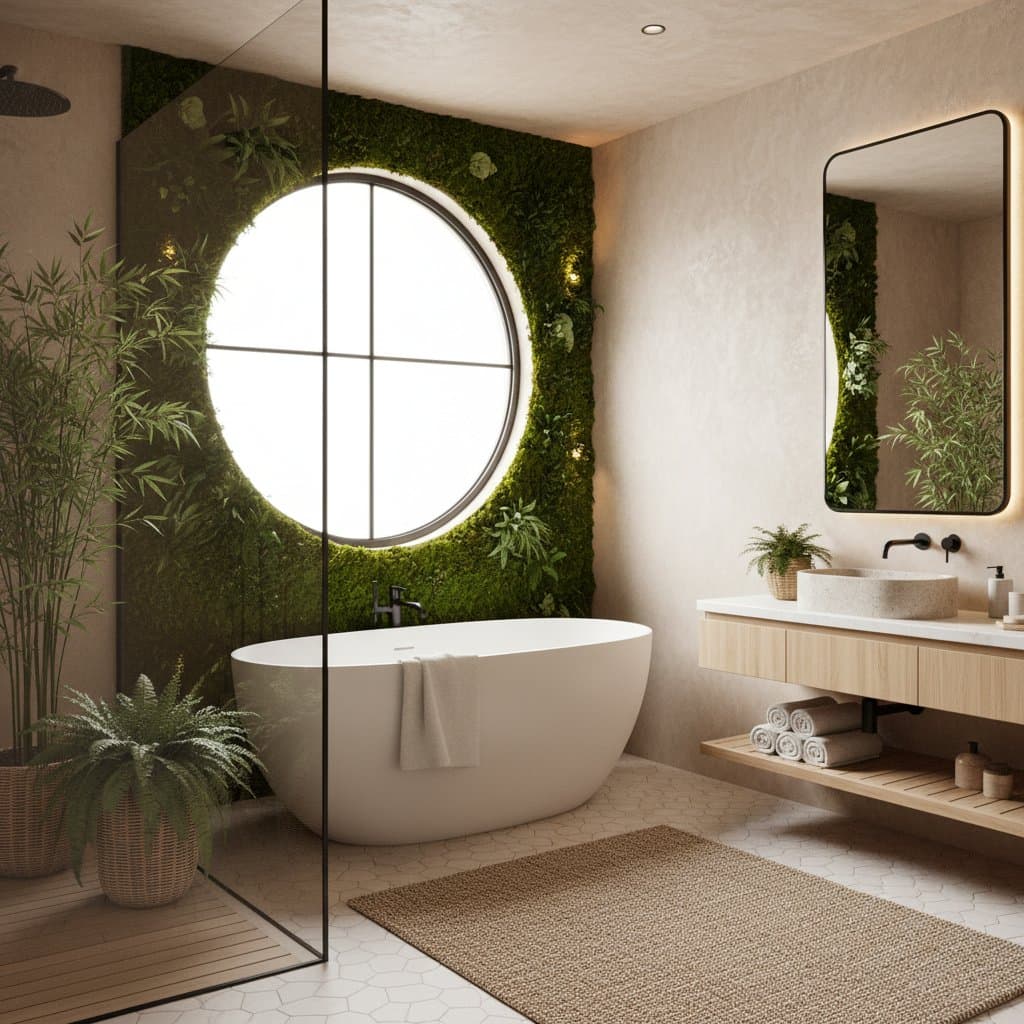
- In larger spaces, delineate functional zones using integrated seating, wall niches for storage, or natural elements like planted ledges to balance utility and ambiance.
Retaining current plumbing locations minimizes labor charges. Relocating fixtures such as toilets or drains can double expenses, so prioritize configurations that leverage installed infrastructure.
Selecting Durable Materials
Tiles provide the aesthetic focal point, but their endurance relies on underlying systems. Porcelain and ceramic varieties offer versatility and resistance to wear, available in diverse finishes.
Natural stone imparts sophistication yet requires periodic sealing to resist absorption. Opt for textured, non-slip flooring surfaces to enhance safety, particularly during early-morning routines. Employ silicone-based sealants and epoxy grouts on walls to maintain barrier integrity against humidity.
Professional Installation Versus Self-Directed Efforts
Undertaking minor home improvements provides rewarding experiences. Tasks like surface painting or basic assembly suit amateur skills. In contrast, wet room waterproofing demands specialized equipment, materials, and techniques to achieve uniform adhesion and sealing.
Overlooking a single connection point permits gradual water ingress, which may remain undetected until significant deterioration occurs. Engaging certified installers guarantees compliance with building standards and mitigates risks of premature failure.
Project Planning for Success
Thorough preparation forms the cornerstone of a smooth renovation. Establish a detailed budget that accounts for contingencies, and anticipate disruptions inherent to bathroom transformations, including discoveries like irregular substrates or outdated piping.
Document the process with photographs at each stage. This record aids future maintenance by identifying hidden components. Organize documentation of plumbing elements and retain purchase records for warranty purposes.
Enjoying Your Completed Wet Room
With construction complete and finishes set, the new wet room invites daily use and delivers tangible rewards. Surfaces shine under use, drainage functions seamlessly, and each session evokes refined indulgence.
Maintenance proves straightforward over time. Employ a squeegee post-shower to prevent water spots, and the simplified design reduces grime accumulation sites. This setup ensures sustained performance and aesthetic appeal, affirming the value of initial investments in quality waterproofing.