
Understanding Wet Room Waterproofing Essentials
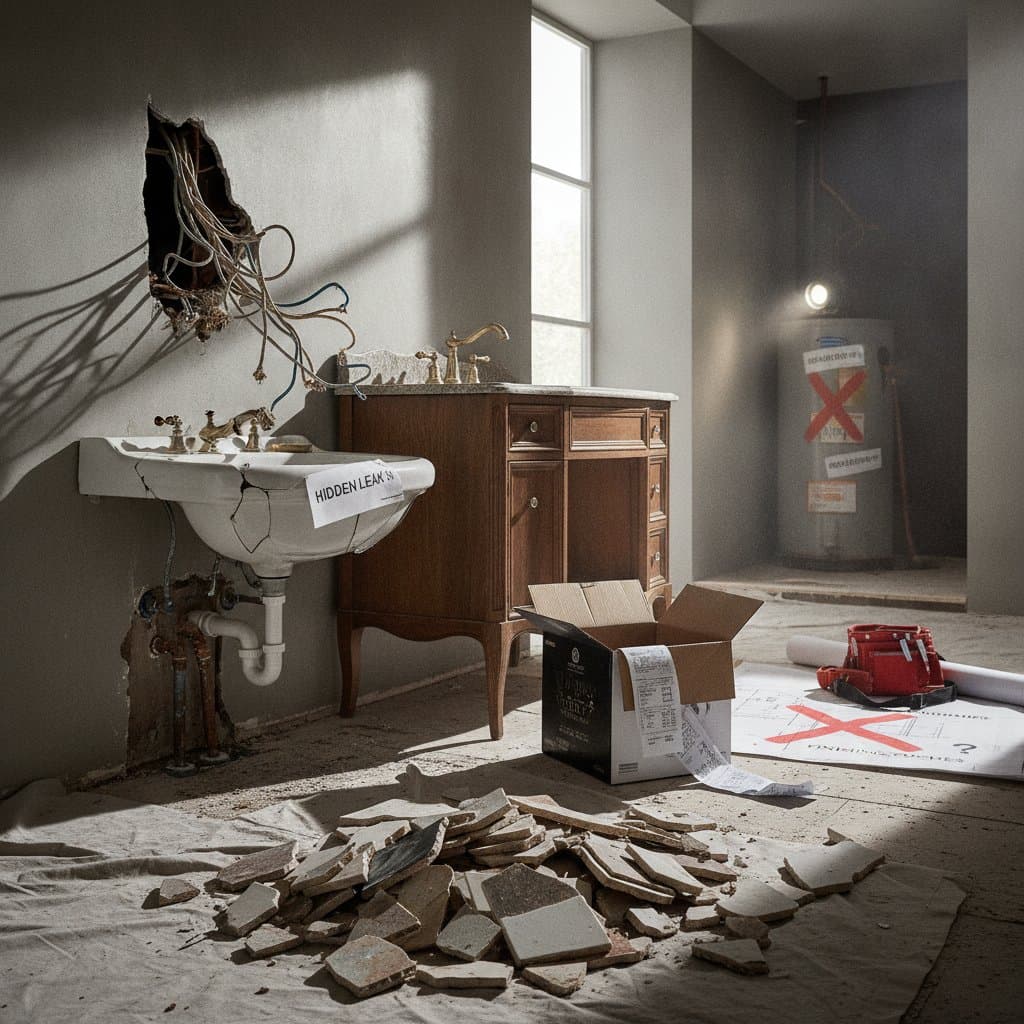
The National Kitchen and Bath Association reports that 43 percent of homeowners encounter water infiltration in renovated wet rooms or curbless showers within three years. Such issues trigger expensive repairs, mold proliferation, and structural harm. As wet rooms gain favor for their sleek aesthetics and functionality, effective waterproofing emerges as a critical safeguard against these risks.
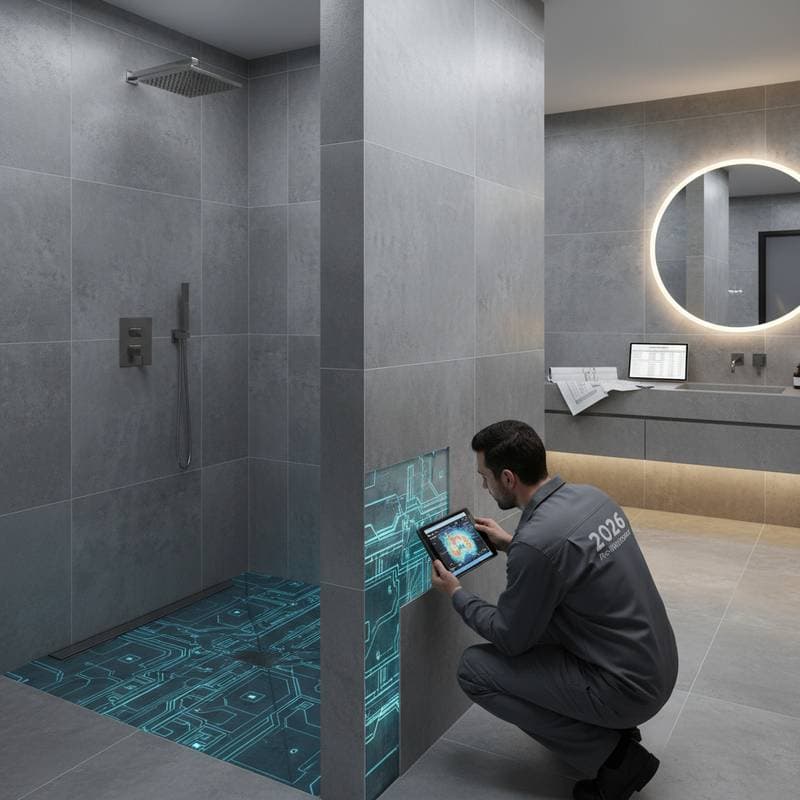
Wet rooms blend luxury with practicality, yet inadequate waterproofing transforms this asset into a potential expense. The advent of 2026 waterproofing systems introduces enhanced membranes, superior substrate adhesion, and precise application methods. Homeowners benefit by grasping these advancements, allocating budgets wisely, and implementing strategies that ensure leak-proof performance over decades.
The Importance of Professional Standards in Waterproofing
Waterproofing demands technical precision beyond mere aesthetics. The International Code Council mandates that systems achieve specific permeability and tensile strength levels to withstand hydrostatic pressure over time.
Certified professionals adhere to manufacturer guidelines, employing compatible primers, bonding agents, and sealants tailored for wet environments. Evelyn Carter, senior project manager at BuildRight Renovations, notes, "DIY waterproofing is risky in high-moisture zones. The cost of rework can easily double the original budget. Hiring a certified installer is always cheaper in the long term."
Essential Standards to Verify
- Membrane Certification: Confirm compliance with ANSI A118.10 standards for waterproof membranes.
- Drain Integration: Select drain assemblies compatible with the chosen membrane to avoid weak points.
- Flood Testing: Require a 24-hour flood test prior to tiling to validate the system's seal.
These measures minimize failure risks and align installations with industry benchmarks.
Budgeting Effectively for Durable Waterproofing
Skimping on waterproofing invites substantial future costs. The Home Improvement Finance Index indicates that repairing water damage from a faulty wet room averages between $6,000 and $14,000. In contrast, a comprehensive 2026 waterproofing setup for a standard bathroom runs $1,800 to $3,200.
Detailed Cost Breakdown for a Mid-Range Wet Room
- Substrate Preparation and Primer: $300 to $500, covering surface leveling and adhesion enhancement.
- Waterproof Membrane and Accessories: $800 to $1,200, including liquid-applied or sheet membranes with reinforcing fabrics.
- Professional Installation and Testing: $700 to $1,500, encompassing labor, tools, and verification processes.
- Contingency Fund (10 Percent): $200 to $300, to address unforeseen issues like substrate irregularities.
This allocation equates to $35 to $45 per square foot, yielding returns through longevity, lower insurance premiums, and elevated resale appeal. To optimize, reserve at least 10 percent of the overall renovation budget for waterproofing variables, such as adjusting for uneven substrates or incorporating upgraded materials.
Selecting and Overseeing Contractors for Quality Results
Superior materials falter without meticulous installation. Homeowners secure value by treating the project as a strategic investment, emphasizing oversight from start to finish.
Contractor Selection Checklist
- Certification Proof: Demand documentation for the exact waterproofing system proposed.
- Client References: Review feedback from prior wet room projects, focusing on one-year post-completion outcomes.
- Written Estimates: Insist on specifics regarding materials, labor hours, and testing protocols.
- Insurance Verification: Confirm coverage extends to water damage liabilities.
Kara Liu, construction project auditor at Pacific Home Assurance, advises, "Many warranty claims get denied because the installer used products from mixed systems. Always verify that all components come from the same manufacturer’s tested assembly."
Throughout the process, capture progress via photos and logs. These records support warranty enforcement and demonstrate build quality to prospective buyers.
Implementing Long-Term Maintenance for Sustained Performance
A flawless waterproofing setup still necessitates regular checks. The National Water Damage Database reveals that over 30 percent of bathroom leaks stem from routine oversights, like improper fixture resealing or tile penetrations.
Routine Maintenance Checklist
- Sealant Inspections: Examine corners and joints every six months for cracks or fading.
- Cleaner Selection: Opt for mild products to preserve silicone and polymer integrity.
- Moisture Monitoring: Install sensors or humidity gauges to identify subsurface accumulation early.
- Grout Sealing: Refresh surface protectors on grout lines annually or biennially to block absorption.
Gavin Ross, maintenance supervisor at HydroSafe Building Services, emphasizes, "Preventive maintenance costs pennies compared to the thousands it takes to repair a leak. A simple inspection schedule can extend membrane life indefinitely."
Consistent habits preserve the system's efficacy and avert minor issues from escalating.
Securing Home Value with Proactive Waterproofing Investments
Wet rooms elevate living spaces and market worth when constructed for endurance. The transition to 2026 waterproofing elevates renovation practices, from material choices to contractor vetting and upkeep routines.
Integrating certified components, expert supervision, and vigilant care eradicates the peril of concealed leaks, the costliest renovation pitfall. This initial outlay fortifies not just the bathroom but the home's overall framework and enduring appeal.
Approach remodeling with foresight, positioning waterproofing as a cornerstone of resilience rather than an incidental expense.