
Understanding 2026 Wet Room Waterproofing Costs
A wet room represents the pinnacle of modern bathroom design, with its seamless integration of shower and floor space creating an illusion of boundless luxury. However, achieving this vision requires meticulous waterproofing to prevent water infiltration that could damage underlying structures. This guide examines the key elements influencing 2026 wet room waterproofing costs, providing practical insights to help homeowners plan effectively and achieve durable results.
The Appeal and Challenges of Wet Room Design
Wet rooms eliminate traditional shower enclosures, offering a sleek, spa-like experience that enhances the sense of openness in any bathroom. This design choice demands precise waterproofing, known as tanking, to direct water toward drains and protect against moisture migration. Without proper execution, issues such as mold growth, structural weakening, and costly repairs can arise, underscoring the importance of informed planning before renovation begins.
Homeowners often underestimate the technical demands of wet rooms compared to conventional bathrooms. Factors like floor gradients, membrane application, and sealant integrity play critical roles in functionality. By addressing these elements early, individuals can avoid common pitfalls and ensure their investment yields long-term satisfaction.
Key Components of Waterproofing Costs
Waterproofing expenses encompass more than surface materials; they include preparation, installation, and finishing processes essential for a reliable system. In 2026, expect average costs to range from $5,000 to $15,000 for a standard 100-square-foot wet room, influenced by location, complexity, and material quality. Below is a detailed breakdown of the primary cost categories.
-
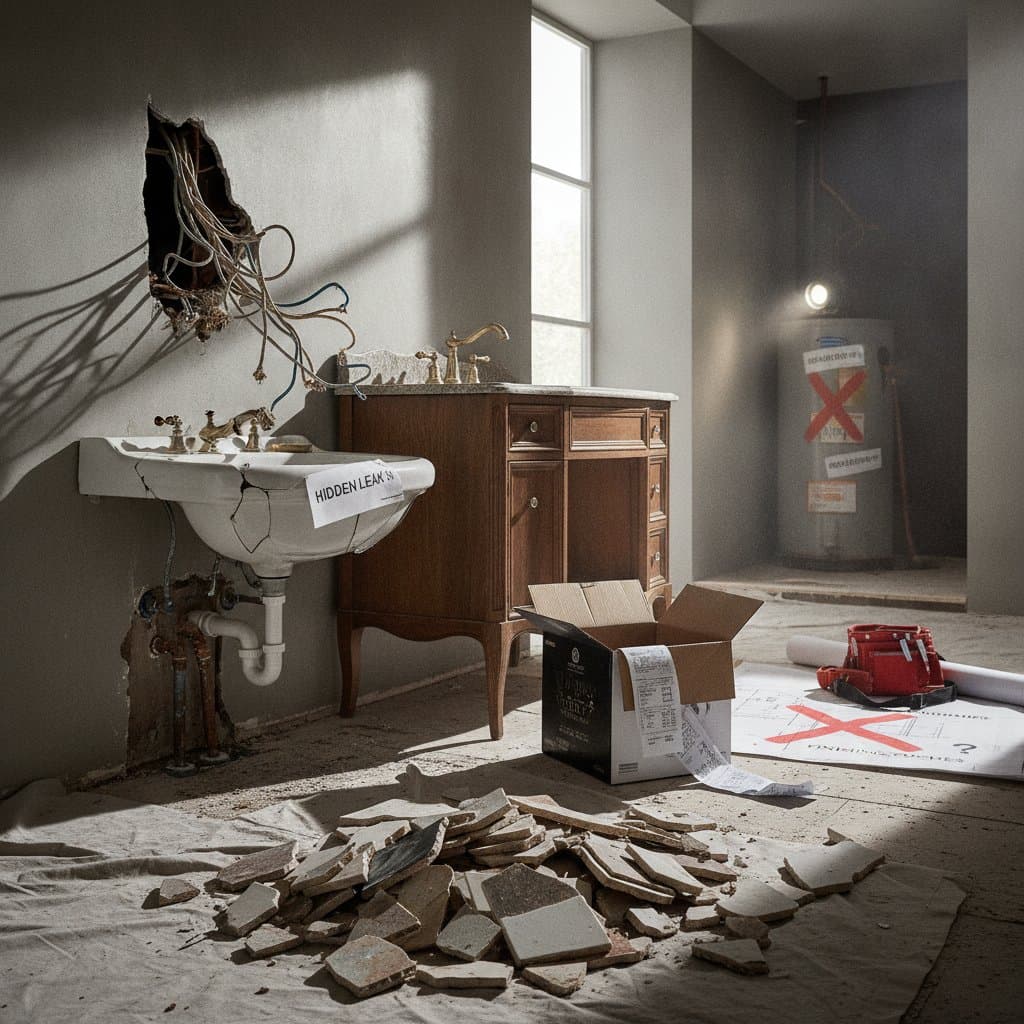
Preparation and Demolition: This initial phase involves removing existing fixtures, tiles, and flooring while inspecting the subfloor for levelness and damage. Costs typically range from $1,000 to $2,500, depending on the extent of demolition required. Professional assessment ensures no underlying issues, such as rot or uneven joists, complicate subsequent steps.
-
Subfloor Adjustment and Drainage: Creating a precise slope, usually a 1:40 to 1:60 gradient, directs water to the drain without pooling. This may require self-leveling compounds or adjustable screeds, adding $800 to $2,000. Accurate drainage prevents water backup, a frequent cause of failure in wet room installations.
-
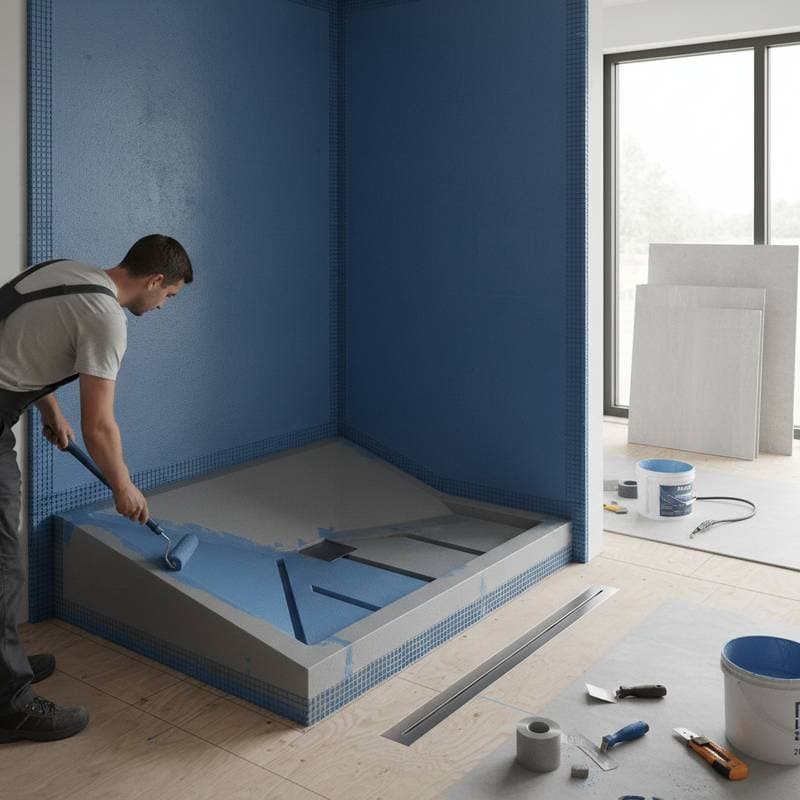
Waterproof Membranes and Sealants: The core barrier consists of liquid-applied membranes, sheet systems, or cementitious boards applied in multiple layers. Budget $1,500 to $4,000 for materials, with liquid options costing less per square foot but demanding flawless coverage. Sealants around joints and fixtures enhance durability against constant exposure.
-
Labor and Installation: Skilled tradespeople charge $50 to $100 per hour, totaling $2,000 to $5,000 for a full project. Their expertise in overlapping membranes, testing for leaks, and integrating drainage systems justifies the investment. Inexperienced application often leads to voids that compromise the entire setup.
-
Finishing Elements: Tiling, grout application, and optional features like underfloor heating contribute $1,000 to $3,000. Choose materials compatible with wet environments, such as porcelain tiles with low water absorption rates. Proper sealing of grout lines minimizes future maintenance needs.
Selecting Materials for Cost Efficiency and Performance
Material selection directly affects both upfront costs and longevity. Liquid membranes, applied like paint, cost approximately $10 to $20 per square foot and suit irregular surfaces but require multiple coats for effectiveness. Sheet membranes, priced at $15 to $30 per square foot, offer easier installation and fewer application errors, making them ideal for larger areas.
Cement boards provide a stable base for tiling, at $5 to $15 per square foot, while waterproof tapes and primers add $200 to $500 overall. For tiles, large-format options reduce seams and thus sealing needs, potentially saving on labor. Mosaic tiles, though visually appealing, increase grout volume and associated waterproofing efforts, raising costs by 20 to 30 percent.
Consider environmental factors, such as humidity levels in your region, when choosing products. Opt for systems certified for wet room use, ensuring they meet building codes for water resistance. This strategic approach balances aesthetics with practical budgeting.
The Value of Professional Labor
Engaging certified installers ensures compliance with standards and minimizes risks associated with DIY attempts. Professionals handle complex tasks like membrane adhesion testing and junction sealing, which demand specialized tools and knowledge. For a 100-square-foot space, labor alone may account for 40 to 50 percent of the total budget.
If considering self-installation, begin with smaller projects to build skills, such as waterproofing a utility sink area. Resources like manufacturer guidelines can guide amateurs, but full wet rooms benefit from expert oversight to avoid warranty voids. In 2026, rising labor rates due to skilled worker shortages emphasize the wisdom of hiring reputable contractors early.
Anticipating Additional Expenses
Projects often incur unforeseen costs that can elevate the total by 15 to 25 percent. Relocating plumbing or electrical components for new fixtures might add $500 to $1,500. Enhanced ventilation systems, crucial for moisture control, range from $300 to $800, while secondary barriers for multi-story homes provide extra protection against leaks.
Drying times for membranes, typically 24 to 48 hours per layer, delay occupancy and may require temporary relocation. Factor in permits and inspections, costing $200 to $500 in urban areas. Proactive budgeting for these elements prevents financial strain during construction.
Maintaining Your Wet Room for Longevity
A completed wet room offers effortless cleaning and an expansive feel, transforming daily routines into relaxing rituals. Regular inspections of seals and grout every six months help detect minor issues before they escalate. Use pH-neutral cleaners to preserve membrane integrity and avoid abrasive tools that could damage surfaces.
Invest in quality maintenance products, such as silicone-based sealants for reapplication as needed. This ongoing care extends the lifespan of your investment, potentially saving thousands in repairs. Homeowners who prioritize these habits enjoy sustained performance and aesthetic appeal.
Planning Your Wet Room Project
Embark on your wet room transformation by outlining priorities, such as seamless design or robust waterproofing. Consult multiple contractors for quotes, reviewing portfolios of completed wet rooms to gauge expertise. Develop a timeline that accommodates drying phases and aligns with your budget constraints.
By focusing on quality materials, skilled labor, and thorough preparation, you secure a space that combines luxury with reliability. This methodical approach turns conceptual sketches into a functional reality, delivering years of enjoyment without the dread of water-related woes.