Curbless Showers: Understanding 2026 Waterproofing Costs
Curbless showers create an open, spa-inspired bathroom environment that enhances accessibility and modern aesthetics. These designs eliminate barriers between the shower area and the rest of the room, promoting ease of movement and a spacious feel. However, achieving this seamless look demands meticulous waterproofing to protect against water damage and maintain structural integrity.
Homeowners often underestimate the technical requirements involved. A properly installed curbless shower features a subtle floor slope directing water to the drain, combined with robust sealing systems. Without these elements, minor installation flaws can lead to costly repairs, such as mold growth or subfloor deterioration.
Benefits and Design Considerations
The appeal of curbless showers lies in their versatility. They suit contemporary minimalist styles as well as traditional spaces, providing a barrier-free entry that benefits aging-in-place modifications. Cleaning becomes straightforward, as water flows evenly without thresholds to trap debris.
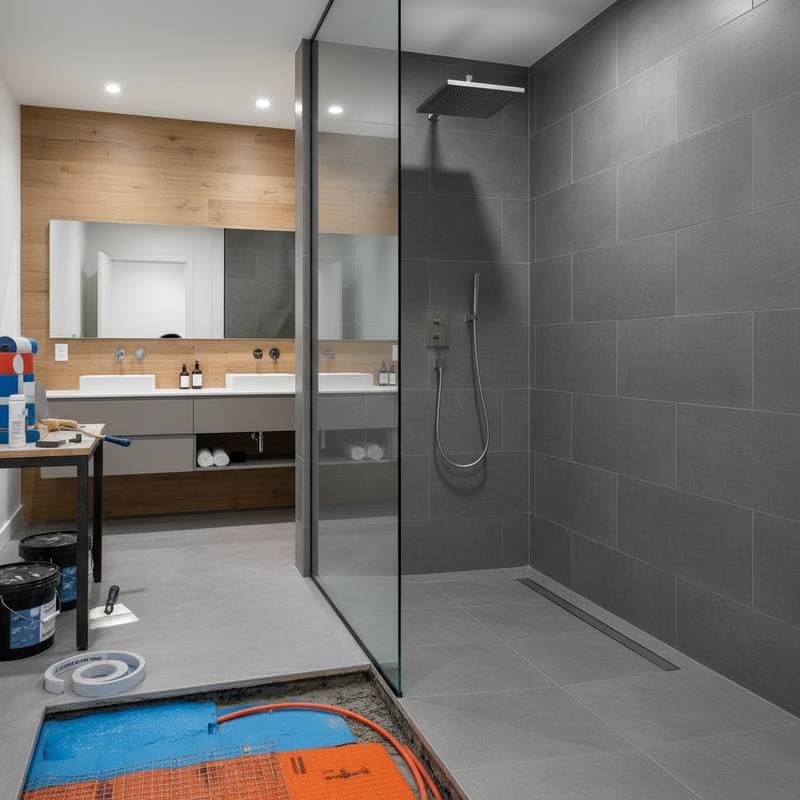
Design planning begins with assessing the existing floor structure. In many homes, the subfloor must accommodate a 1-2% slope toward the drain, typically over a 4-5 foot distance. This adjustment ensures efficient drainage while preserving the illusion of a flat surface. Selecting materials that complement the slope, such as non-slip porcelain tiles, further enhances safety and durability.
Essential Waterproofing Components
Waterproofing forms the foundation of a successful curbless shower installation. The process starts with subfloor preparation, which includes leveling and reinforcing to support the slope and prevent flexing under weight.
Next, apply a waterproof membrane to create a continuous barrier. Sheet membranes, made from PVC or rubber, offer reliable coverage and are installed in overlapping layers for full adhesion. Liquid-applied membranes provide flexibility for irregular surfaces but demand multiple coats for uniform thickness, usually 30-40 mils.
Focus on vulnerable areas during application. Seal corners, wall-floor junctions, and pipe penetrations with reinforced fabric strips embedded in the membrane. For added protection in high-moisture zones, extend the system up the lower 6-12 inches of walls. This full-room approach minimizes leak risks, especially in homes with wooden subfloors prone to warping.
Tile selection influences waterproofing efficacy. Large-format tiles (12x24 inches or larger) reduce grout lines, simplifying sealing, but require precise slope maintenance to avoid water pooling. Smaller mosaic tiles allow better contouring around drains yet increase labor for grouting and sealing.
Projected Costs for 2026
Waterproofing expenses in 2026 will reflect rising material prices and labor demands, influenced by supply chain factors and skilled trade shortages. For a standard 5x5 foot curbless shower in an average bathroom, basic membrane installation ranges from £800 to £1,500, covering materials and labor.
Opting for premium sheet systems can elevate costs to £1,200-£2,000, due to their durability and faster application. Liquid membranes offer a more economical choice at £600-£1,200, though they require expert handling to achieve seamless coverage. Full-room waterproofing, including walls, adds £500-£1,000, providing comprehensive protection.
Larger projects or those involving structural changes push totals higher. Subfloor modifications, such as lowering joists or adding concrete screed, may cost £1,000-£3,000. Factor in drain relocation at £300-£600 and tile installation at £20-£40 per square foot. Overall, a complete curbless shower waterproofing project averages £2,500-£5,000 for mid-sized bathrooms, with luxury options exceeding £7,000.
Regional variations apply. Urban areas with higher labor rates, such as London, see 20-30% premiums compared to rural locations. Always obtain multiple quotes to compare system types and warranties, which typically span 10-25 years for quality installations.
Overlooked Expenses and Challenges
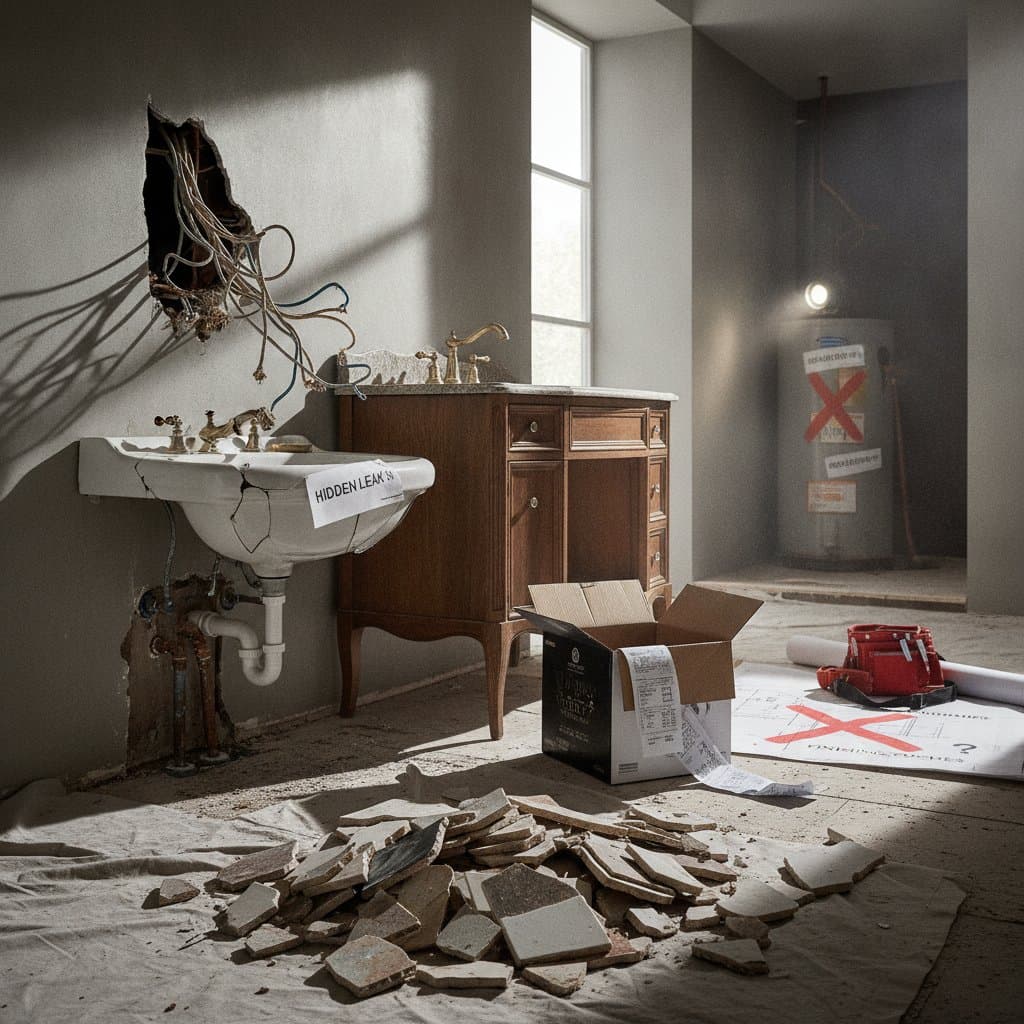
Beyond core waterproofing, several factors can inflate budgets unexpectedly. Structural assessments often reveal the need for joist reinforcement in older homes, costing £800-£2,000 to ensure load-bearing capacity.
Plumbing adjustments represent another hidden cost. Repositioning drains or upgrading to linear systems for even flow adds £400-£900. Integrating underfloor heating complicates the process further, as electric mats must sit beneath the membrane without voids, increasing expenses by £500-£1,200.
Timeframe considerations also matter. Installation typically spans 3-7 days, depending on drying times for membranes (24-48 hours per layer). Delays from curing or inspections can extend this, emphasizing the value of hiring certified professionals familiar with building codes.
Installation Best Practices
To execute waterproofing effectively, follow a step-by-step approach. First, conduct a site survey to map the slope and identify obstacles. Clear the area and install temporary supports if subfloor work is required.
Apply the membrane in dry conditions, starting from the drain outward. Test seals with a flood method: plug the drain, fill the area with 2-3 inches of water for 24 hours, and monitor for leaks. Proceed to tiling only after verification.
Engage licensed contractors with experience in wet rooms. Verify credentials through trade associations and request references from similar projects. A detailed contract should outline materials, timelines, and contingency plans for unforeseen issues.
Maintenance for Longevity
A well-waterproofed curbless shower requires ongoing care to sustain performance. Inspect grout and seals quarterly, reapplying silicone caulk as cracks appear to block moisture ingress.
Use pH-neutral cleaners to avoid degrading the membrane or tiles. Squeegee the floor after each use to minimize standing water, and ensure the drain remains free of hair and debris with regular flushing.
Annual professional inspections, costing £100-£200, can detect early wear. Addressing issues promptly preserves the investment and prevents escalation to major repairs.
Planning Your Curbless Shower Project
Embark on your curbless shower remodel by defining priorities: accessibility, aesthetics, or budget constraints. Consult architects or designers early to visualize the layout and integrate waterproofing seamlessly.
Budget 10-15% extra for contingencies, and explore financing options if needed. With informed planning, this upgrade delivers enduring luxury, transforming daily routines into relaxing retreats while safeguarding your home's value.