What Wet Room Waterproofing Really Costs in 2026
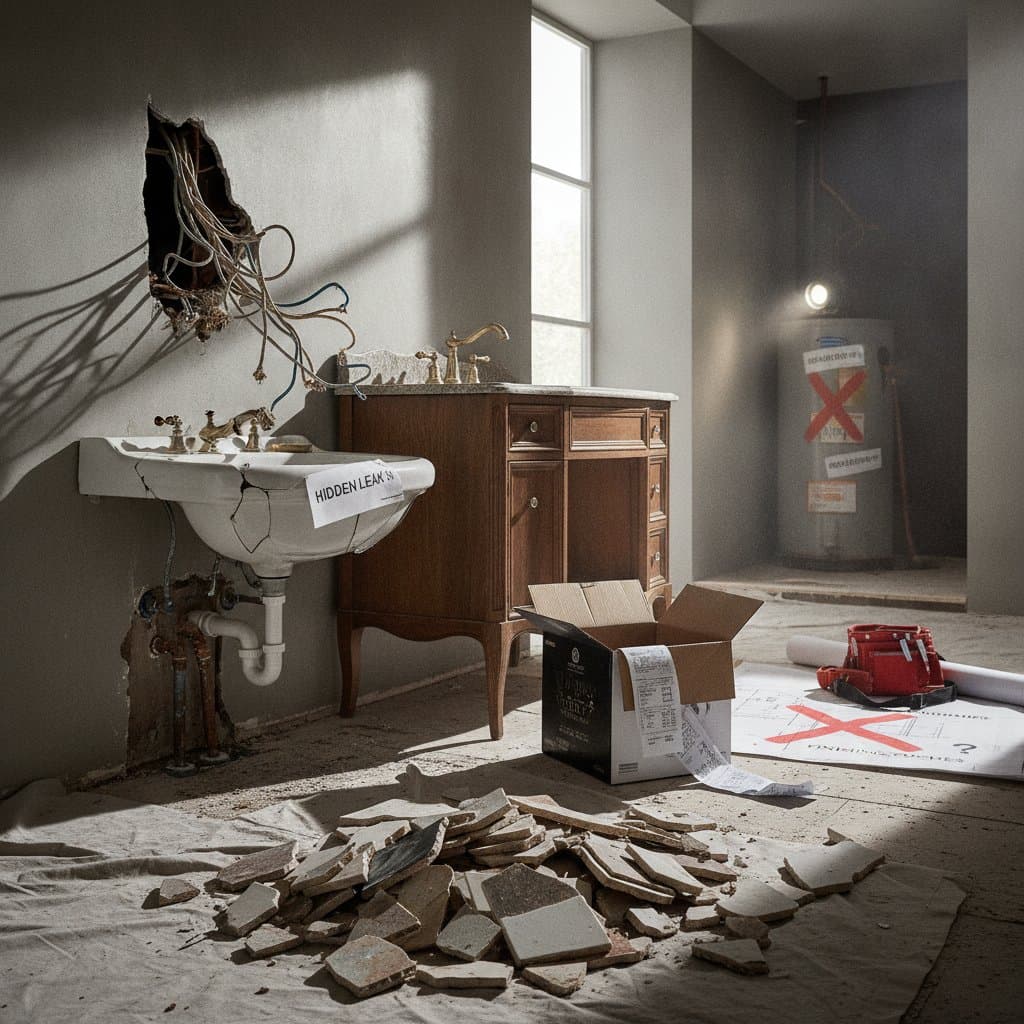
According to the latest Home Improvement Market Index by the National Association of Home Builders, only 42 percent of homeowners who remodeled a bathroom stayed within their original budget. Waterproofing errors ranked among the top five reasons for cost overruns. As wet rooms grow in popularity, understanding true waterproofing expenses has become essential for protecting a remodel investment.
A wet room delivers a sleek, barrier-free shower experience. The financial reality often surprises homeowners who focus only on visible finishes. Waterproofing functions as a structural safeguard that determines how long the entire bathroom lasts.
Technical Scope of a Complete Waterproofing System
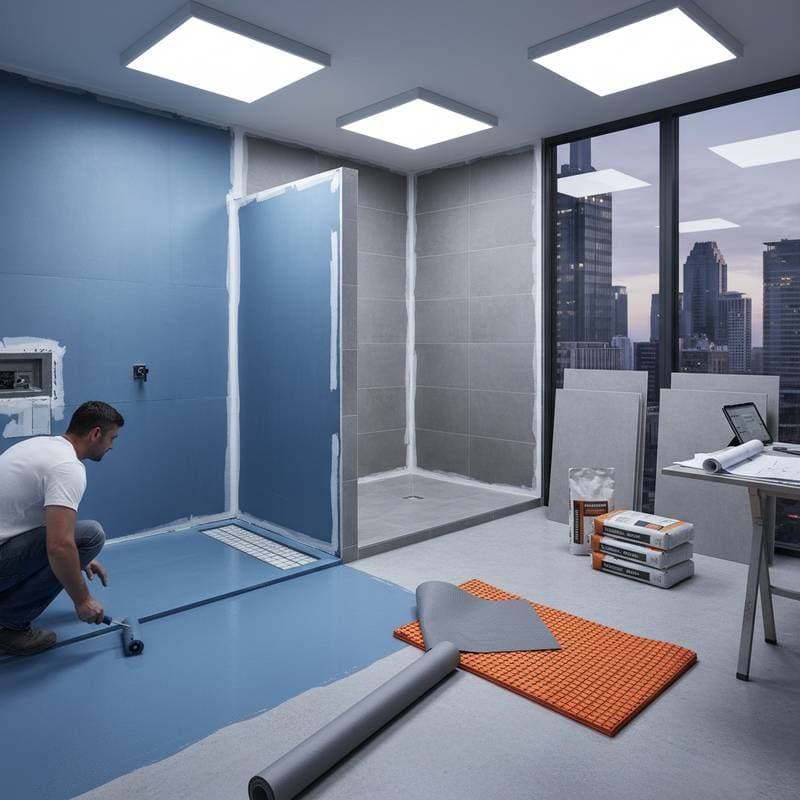
A full wet room waterproofing system incorporates liquid or sheet membranes, sealants, backer boards, precise floor gradients, and integrated drainage. Installers must follow a strict sequence with quality checks at each stage. Certified professionals follow standards from ANSI A118 and the TCNA Handbook to ensure long-term performance.
Sarah Patel, project manager at BuildSmart Renovations, states that waterproofing depends on substrate condition, floor slope, and ventilation details. Materials alone range from 10 to 25 dollars per square foot. Improper installation voids most manufacturer warranties and leads to future repairs.
Homeowners should never treat waterproofing as a task for general handymen. The work requires material compatibility testing and a flood test before any tile is set.
Key Factors That Drive Final Project Costs
Several variables shape the total waterproofing expense. Existing mold or structural rot can add between 1,000 and 5,000 dollars in remediation. Larger rooms or complex slope designs increase material quantities and labor hours.
Linear drains cost up to 800 dollars while standard point drains average 200 dollars. Large-format porcelain tiles demand extra substrate leveling, which extends installation time. Labor rates in metropolitan areas run 25 to 40 percent higher than in rural locations.
Michael Torres, senior estimator at Precision Build Group, notes that waterproofing can represent up to 35 percent of the total bathroom renovation budget in high-cost regions. Homeowners who ignore local pricing data frequently exceed their planned figures.
Selecting Qualified Installers
Choosing certified professionals provides the strongest financial protection. Seek installers who hold manufacturer training credentials or membership in the National Tile Contractors Association. Request references specifically from completed wet room projects rather than standard showers.
Before signing a contract, ask these targeted questions. Which waterproofing system will be used and which company manufactures it? Will the manufacturer warranty the completed installation? Will a flood test occur before tile work begins? How will any substrate repairs be documented and billed?
Require a detailed scope of work and a payment schedule linked to inspection milestones. This documentation maintains accountability and reduces disputes at final billing.
Protecting the Finished Wet Room
After installation, routine care preserves the waterproofing investment. Avoid harsh chemical cleaners that break down sealants over time. Inspect grout lines every three months for cracks or discoloration. Maintain low humidity levels through consistent ventilation to extend membrane and adhesive life.
Steps to Secure Long-Term Performance
Schedule annual professional inspections of drains and seals. Keep detailed records of all maintenance activities and product specifications. These records support warranty claims if issues arise years later. Consistent attention to these details keeps repair costs minimal and protects the original remodel budget.