
The Rise of Wet Rooms in 2026: Balancing Style and Practicality
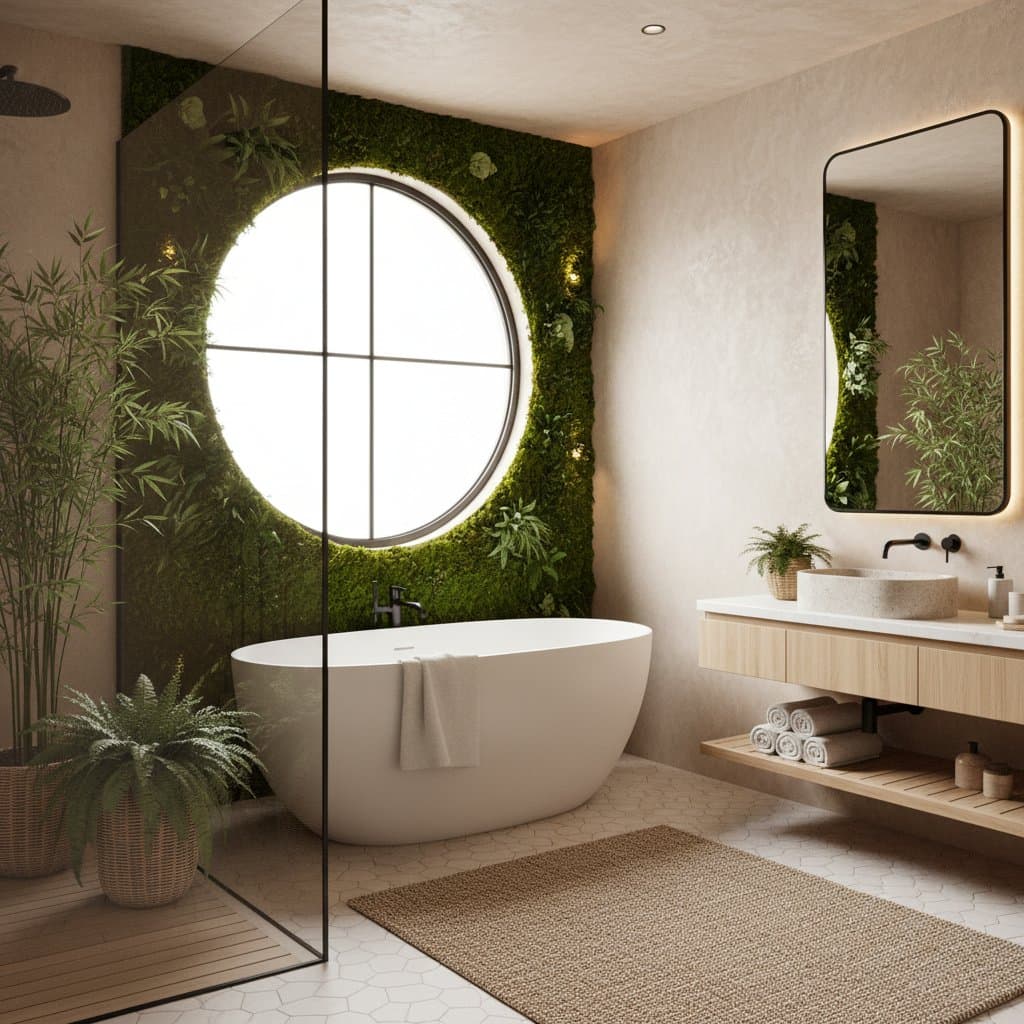
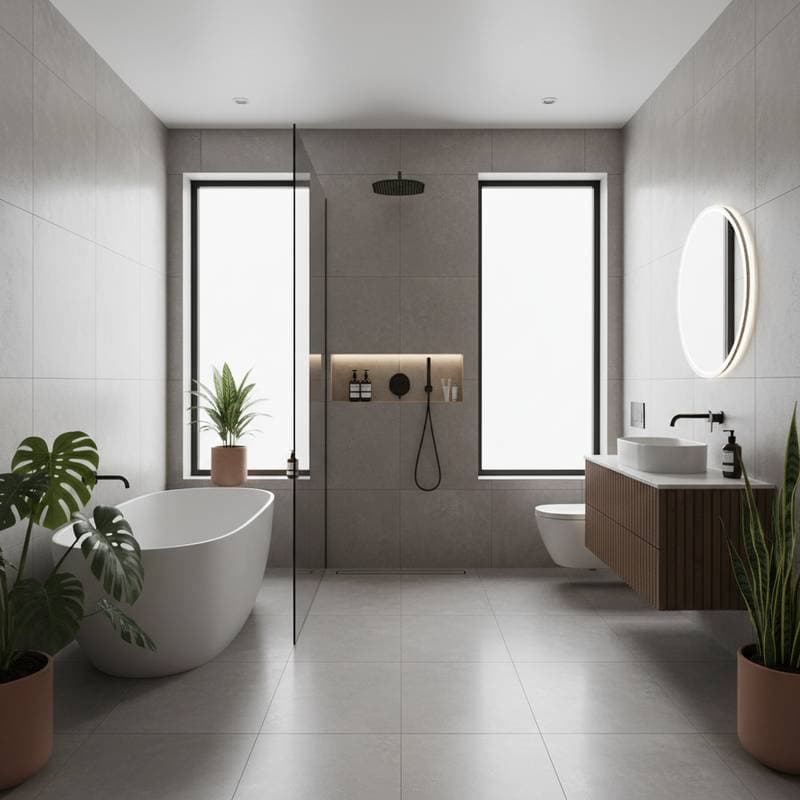
Imagine entering a bathroom where water flows freely across the floor, draining efficiently without barriers or enclosures. This vision defines the wet room, a design increasingly popular for its modern appeal and accessibility. In 2026, wet rooms represent a shift toward open, waterproof spaces that integrate seamlessly with contemporary home aesthetics.
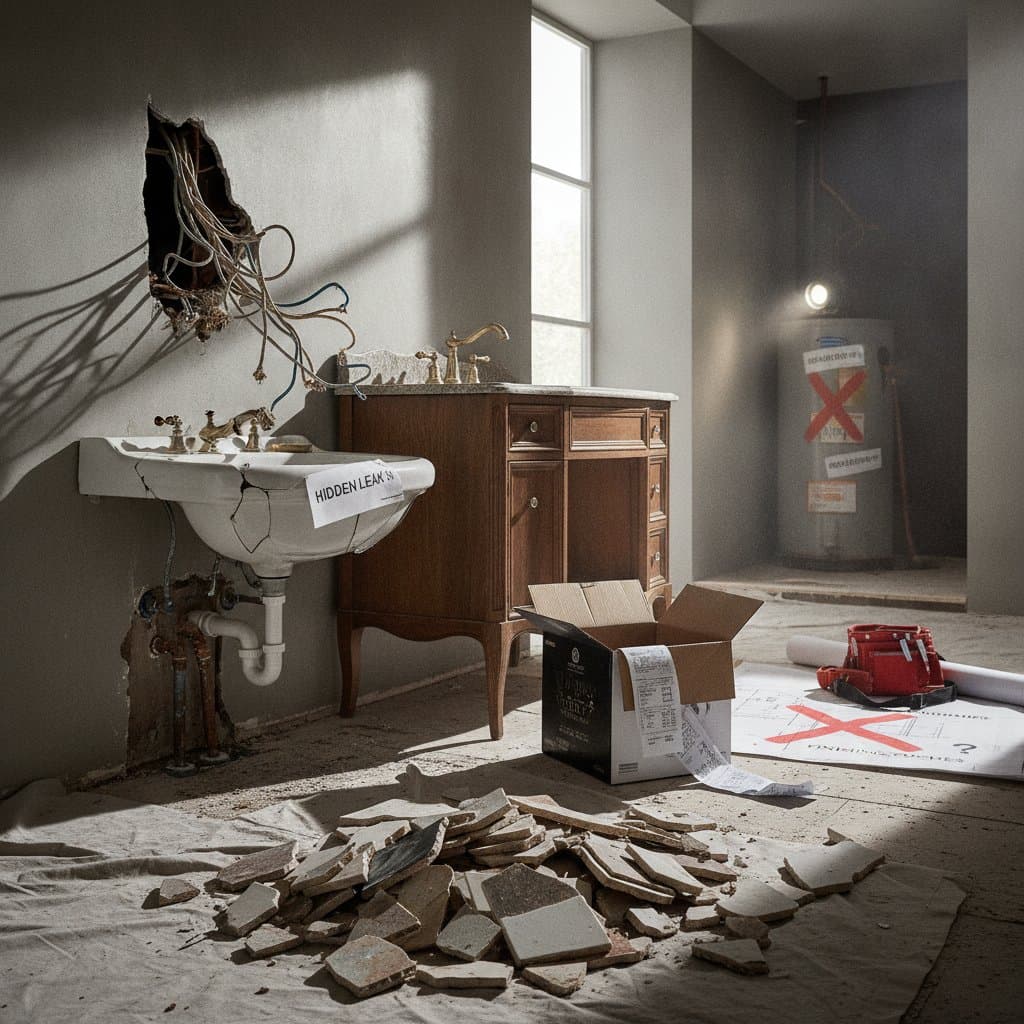
National remodeling data indicates that bathroom projects rank among the most frequent home improvements. However, statistics reveal that only about half of homeowners adhere to their initial budgets. The complexity of wet room installations, involving specialized waterproofing and precise drainage, often contributes to these overruns.
For those considering this upgrade, a clear understanding of costs, design implications, and contractor selection proves essential. This guide provides detailed insights to help plan a project that delivers luxury without financial strain.
Breaking Down Wet Room Renovation Expenses
Wet room projects demand investment in materials and expertise that ensure longevity and safety. Average costs typically span from $12,000 to $25,000 for a standard-sized bathroom, influenced by factors such as room dimensions, material quality, and regional labor rates. Breaking these expenses into categories allows for informed decision-making.
Core Cost Components
-
Waterproofing and Tanking Systems: Expect to allocate $2,000 to $4,000. This involves applying membranes and sealants to walls, floors, and junctions to create a fully enclosed, leak-resistant environment. Experts emphasize that subpar waterproofing leads to moisture damage, potentially costing thousands in repairs.
-
Drainage and Floor Sloping: Budget $1,000 to $2,500 for installing sloped floors and efficient drains. Proper gradient ensures water directs toward the drain without pooling, requiring skilled labor to achieve a subtle yet functional incline.
-
Tiling and Surface Finishes: This category ranges from $3,000 to $8,000. Porcelain or natural stone tiles provide durability and water resistance, with larger formats minimizing seams for easier cleaning.
-
Plumbing and Fixtures: Allocate $2,500 to $6,000 for relocating pipes, installing rain showerheads, and integrating thermostatic controls. High-efficiency fixtures not only enhance functionality but also support water conservation.
-
Labor and Oversight: Plan for $3,000 to $5,000 to cover skilled tradespeople and project coordination. Delays or errors in this phase can inflate total expenses significantly.
James Ortega, a plumber and renovation consultant with two decades of experience, notes, "The key is not just installing a drain. It is creating a waterproof envelope that keeps every drop contained. Cutting corners here leads to costly leaks later."
For budget-conscious homeowners, a partial wet room design offers a viable alternative. By limiting waterproofing to the shower zone while maintaining traditional elements elsewhere, costs can drop to approximately 60 percent of a full conversion. This approach retains the open aesthetic with reduced complexity.
Design Decisions and Their Financial Impact
Selecting elements for a wet room involves balancing aesthetics, functionality, and expense. Each choice influences not only the visual outcome but also the overall budget and maintenance needs.
Influential Design Elements
-
Tile Selection: Opt for large-format tiles to minimize grout lines, which simplifies cleaning and reduces the risk of water seepage. Although initial costs per tile may exceed those of smaller options, the long-term savings in upkeep justify the investment.
-
Drain Configuration: Linear drains integrate flush with the floor for a minimalist look, but their installation demands precise alignment. Traditional point drains serve as a more economical choice without compromising effectiveness.
-
Underfloor Heating Integration: This feature, costing $1,500 to $3,000, promotes faster water evaporation and adds year-round comfort. Electric mats or hydronic systems pair well with wet room layouts, enhancing the spa-like atmosphere.
-
Glass Enclosures: Frameless glass panels contain splashes while maintaining an open feel, priced higher than framed versions due to custom fabrication. Tinted or etched options provide privacy without obstructing light.
If luxury finishes tempt you, prioritize those that align with daily use. For instance, matte black fixtures offer a bold contrast but require vigilant cleaning to prevent water spots. Conversely, chrome alternatives prove more forgiving and cost-effective over time. Consult material samples early to visualize impacts on both style and budget.
To further control expenses, explore sustainable materials like recycled glass tiles or low-VOC sealants. These choices not only lower environmental impact but may qualify for rebates in certain regions, stretching your investment further.
Selecting Reliable Contractors for Success
The right team transforms a wet room vision into reality without surprises. Begin by seeking professionals certified in bathroom remodeling and waterproofing standards. Review portfolios for similar projects to gauge expertise in seamless installations.
Request detailed quotes that itemize labor, materials, and timelines. A reputable contractor provides a written contract outlining warranties, typically spanning five to ten years for waterproofing. Verify licenses and insurance to protect against liabilities.
During consultations, discuss potential challenges like structural adjustments for sloping floors. Experienced teams anticipate issues, such as reinforcing subfloors, to prevent mid-project escalations. Building a rapport ensures collaborative problem-solving throughout the process.
Maintenance Strategies for Longevity
A well-maintained wet room preserves its elegance and functionality for decades. Regular upkeep prevents common issues like mold or grout degradation, safeguarding your investment.
Essential Care Practices
-
Daily Surface Cleaning: Use a soft cloth and mild cleaner to remove soap scum and residues immediately after use. This routine minimizes buildup and maintains the pristine appearance.
-
Annual Grout Inspection: Examine lines for cracks or erosion, applying fresh sealant as needed. This step fortifies defenses against water intrusion.
-
Routine Drain Maintenance: Flush with a vinegar solution monthly to dissolve minerals and debris, ensuring unobstructed flow.
-
Optimal Ventilation: Install or utilize exhaust fans during and after showers to control humidity levels. Supplemental dehumidifiers benefit high-moisture environments.
Adhering to these practices extends the lifespan of components, reducing the need for premature repairs.
Enhancing Home Value Through Wet Room Upgrades
Beyond daily enjoyment, wet rooms appeal to prospective buyers as symbols of thoughtful design and quality. Real estate agent Marcus Hill of UrbanNest Realty observes, "Buyers see a wet room as both a design statement and a sign of quality craftsmanship. It signals that the homeowner invested in long-term value."
Properties featuring accessible, modern bathrooms often command higher offers, with returns on investment reaching 50 to 70 percent. The barrier-free layout accommodates aging in place, broadening market appeal.
Steps to Launch Your Wet Room Project
Embark on your wet room renovation with confidence by starting with a detailed plan. Assess your space, define priorities, and gather multiple contractor bids. Track progress against the budget to stay on course.
This upgrade elevates routine tasks into moments of relaxation, combining practicality with sophistication. With strategic planning, your wet room becomes a cornerstone of comfort and enduring home enhancement.