
Safeguard Your Wet Room from Costly Water Intrusion
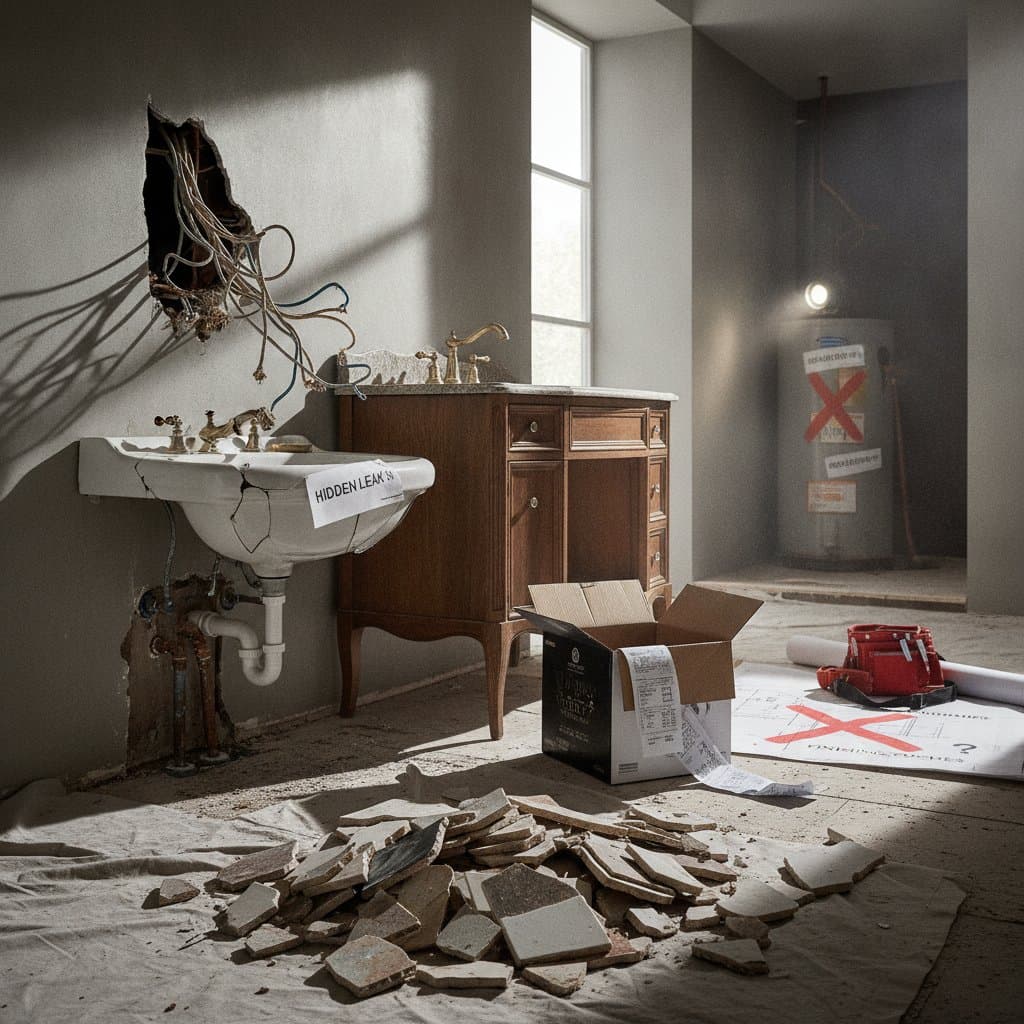
Envision a modern wet room featuring seamless lines and a relaxing atmosphere, complete with a subtle floor slope leading to an unobtrusive drain. Weeks after completion, however, a moisture stain emerges on the ceiling of the level below. This scenario transforms an anticipated luxury into a significant financial burden. Data from a nationwide survey of homeowners indicates that water-related damage ranks among the three most expensive issues in home renovations, frequently requiring expenditures in the thousands for remediation. The primary cause often traces back to inadequate waterproofing rather than the premium finishes selected.
To prevent such outcomes, recognize that waterproofing demands priority attention. Cutting costs in this area invites complications that compromise the entire project.
Develop a Comprehensive Waterproofing Strategy
Wet rooms endure ongoing contact with water, which necessitates protection across all surfaces. Walls, floors, and their intersections require meticulous sealing to maintain integrity.
Certified tiler and installer Mark Benton of AquaSeal Systems observes, “Most leaks occur at material transitions. Overlooking a single joint can compromise the entire floor.” This emphasizes the importance of precision in execution.
A robust waterproofing strategy incorporates several critical elements:
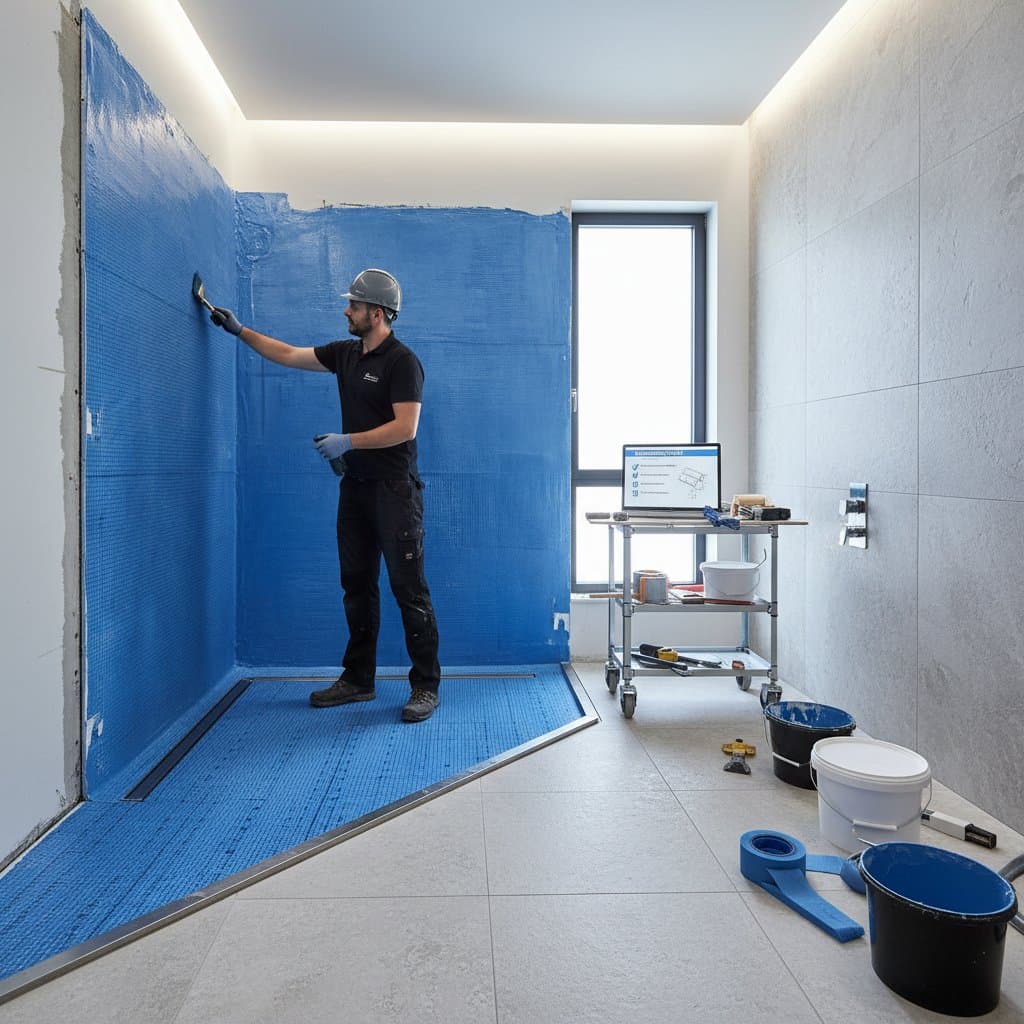
- Complete membrane application across floors and walls, extending beyond the immediate shower zone to cover potential splash areas.
- Secure sealing of corners and pipe entries using specialized tapes and gaskets that form impermeable barriers.
- Harmonious material selection ensuring the waterproofing membrane bonds effectively with tile adhesives and substrates.
- Precise gradient establishment that channels water efficiently to the drain, avoiding pooling or escape into adjacent spaces.
Prior to tiling, conduct a 24-hour flood test by filling the area with water to verify seal effectiveness. This step functions as a preliminary validation, identifying issues before permanent installations proceed.
Consider the types of membranes available, such as liquid-applied systems that create a seamless coating or sheet membranes that offer robust durability. Select based on the room's size and expected usage intensity. For instance, liquid membranes suit irregular surfaces well, while sheet options provide superior puncture resistance in high-traffic areas.
Select Qualified Professionals for Installation
Superior materials alone cannot compensate for inexperienced application. Seek out specialists with dedicated training in wet room waterproofing, distinct from standard tiling expertise.
Interior designer Carla Nguyen of StudioBath Renovations notes, “Homeowners frequently presume that any tiler possesses the skills for a wet room, yet specialized certification proves essential. Minor miscalculations in gradient or sealant application lead to substantial future expenses.”
When evaluating candidates, request the following:
- Documentation of training approved by membrane manufacturers.
- Testimonials and examples from completed wet room installations.
- A detailed warranty that addresses both labor quality and waterproofing performance.
Engaging in thorough vetting may seem intrusive, yet it prevents far greater disruptions down the line. Verify credentials through industry associations to confirm legitimacy.
Account for Essential Budget Allocations
Waterproofing components, including membranes, sealants, and supportive boards, typically increase the overall bathroom budget by 10 to 15 percent. This initial investment pales in comparison to the costs of addressing subsequent water intrusion.
Allocate resources for these aspects:
- Reserve funds to cover unforeseen subfloor modifications revealed during demolition.
- Enhanced drainage solutions, such as linear drains, to support barrier-free shower designs.
- Specialized moisture assessments particularly for properties built on concrete foundations, where capillary action poses additional risks.
Establishing a financial buffer fosters confidence throughout the process. Initial estimates often reveal these ancillary expenses, so incorporate them from the outset to avoid project delays.
Explore cost-effective options like hybrid membrane systems that combine affordability with performance. Compare quotes from multiple suppliers to balance quality and economy without sacrificing standards.
Sustain Longevity Through Routine Upkeep
The most effective waterproofing systems benefit from ongoing vigilance. Reapply sealants to joints at intervals of two to three years, clear drains to prevent blockages, and inspect for indicators like softened grout or tile discoloration. These signs signal potential subsurface issues requiring prompt attention.
Building consultant James O’Neil from RenoCheck states, “Regular maintenance serves as an enduring safeguard. Seasonal checks, lasting mere minutes, avert extensive corrective work.”
Incorporate these practices into a seasonal routine:
- Examine all seals and grout lines for cracks or erosion.
- Test drain functionality by running water and observing flow.
- Use gentle cleaners to avoid degrading protective layers.
By adhering to such protocols, extend the lifespan of your wet room. This approach transforms a potential vulnerability into a reliable feature of daily life.
Realize Lasting Benefits from Diligent Waterproofing
A well-executed wet room elevates home comfort to new heights, provided it remains free from moisture threats. Through strategic planning, expert installation, and consistent care, secure a space that delivers enduring enjoyment. This investment not only preserves structural elements but also enhances property value, offering reassurance for years ahead.