
2026 Open Remodel: Wall Removal Costs Revealed
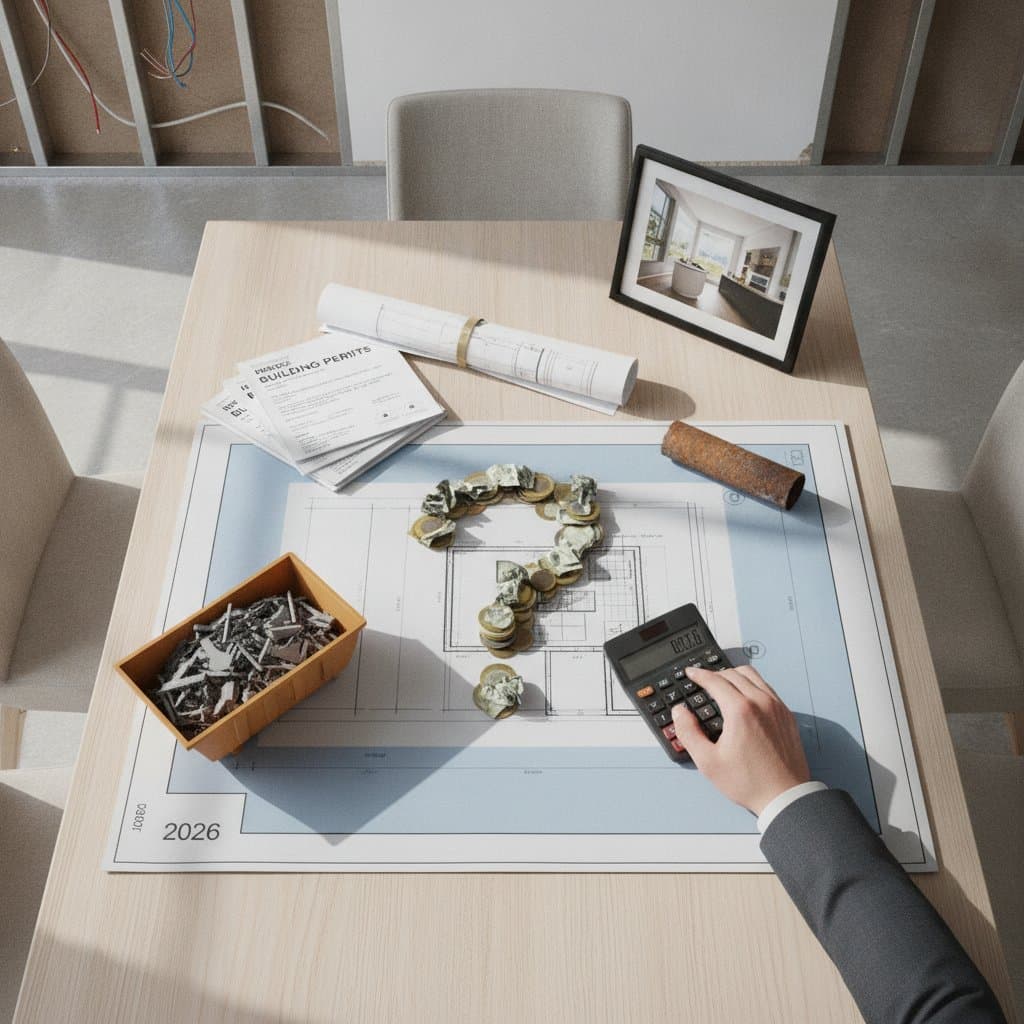
The dream of an airy, open home often begins with inspiration from design images and a moment of relaxation. Individuals envision moving seamlessly from the kitchen to the living area, engaging in conversations with guests while preparing meals, and appreciating the modern, illuminated atmosphere. Reality soon introduces building regulations, invoices from structural engineers, and a persistent layer of dust that affects daily routines for several weeks.
For those who have considered an interior wall and wondered about its removal, this guide provides essential information. Removing a wall alters the entire character of a home, but it also incurs costs that accumulate rapidly. This article examines the process of opening up space, associated expenses, and strategies to manage the project effectively while maintaining composure.
Understanding the Types of Walls
Before discussing costs, it is essential to identify the type of wall involved. Walls vary in construction and function, and accurate identification determines whether the project remains simple or requires extensive structural modifications.
1. Stud or Non-Load-Bearing Walls
Stud walls, constructed from timber frames and plasterboard, separate rooms without supporting weight from above. Their removal involves straightforward demolition, but professionals must address any embedded electrical wiring, plumbing lines, or heating elements.
Costs for removing a non-load-bearing wall typically range from 500 to 1,500 pounds, depending on the wall's length and any necessary rerouting of services. A qualified builder can complete the task in one to two days, allowing occupants to enjoy the expanded, resonant area soon after.
2. Load-Bearing Walls
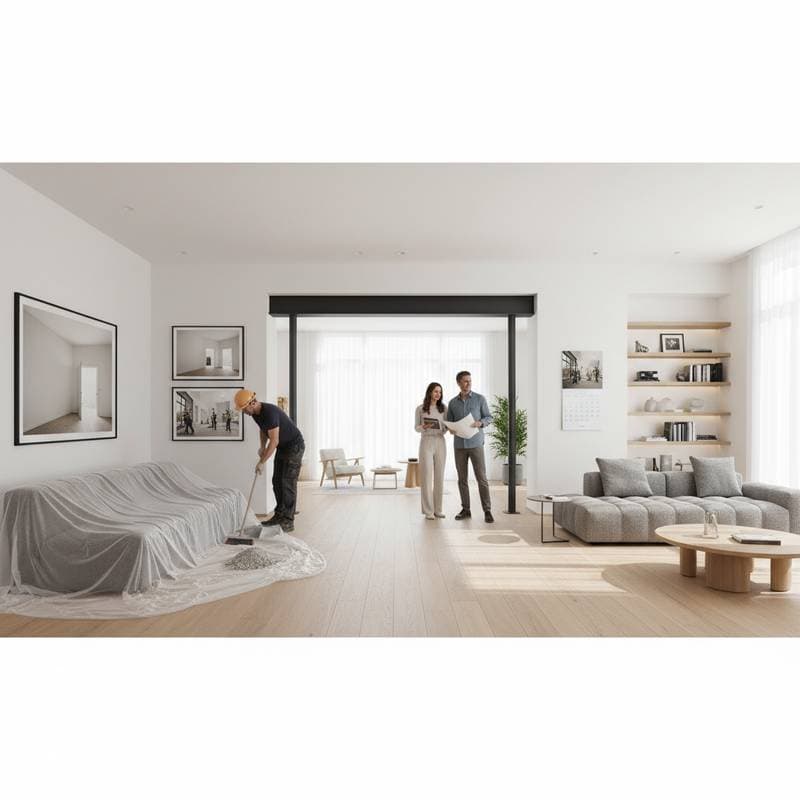
Load-bearing walls provide critical support for upper floors or the roof structure. Their removal necessitates the safe redistribution of weight, often through the installation of a steel beam or lintel spanning the opening. This process demands precise calculations from a structural engineer, approvals from building control authorities, and skilled labor to ensure safety and compliance.
Expenses for load-bearing wall removal generally fall between 2,000 and 5,000 pounds or more, influenced by the opening's span, material costs, and finishing requirements. Budgets must account for the engineer's fees, beam fabrication, builder's labor, and subsequent plastering to achieve a seamless appearance.
3. Partial Removals and Openings
In some cases, full removal proves unnecessary. Creating a wide opening or archway achieves openness while minimizing structural changes. This method effectively balances expenses and visual appeal, providing views between rooms and preserving subtle spatial boundaries.
Costs for partial removals range from 1,000 to 3,000 pounds, varying with the design complexity and any required reinforcements. Consult a professional early to evaluate feasibility and integrate the feature harmoniously with existing architecture.
What It Might Cost
Project expenses differ based on home specifics, but established ranges assist in initial planning.
- Non-load-bearing wall: 500 to 1,500 pounds, lower if no services require relocation.
- Single load-bearing wall with steel beam: 2,000 to 5,000 pounds, higher for wider spans or premium finishes.
- Multiple walls or large openings: 5,000 pounds and upward, especially with additional supports or custom elements.
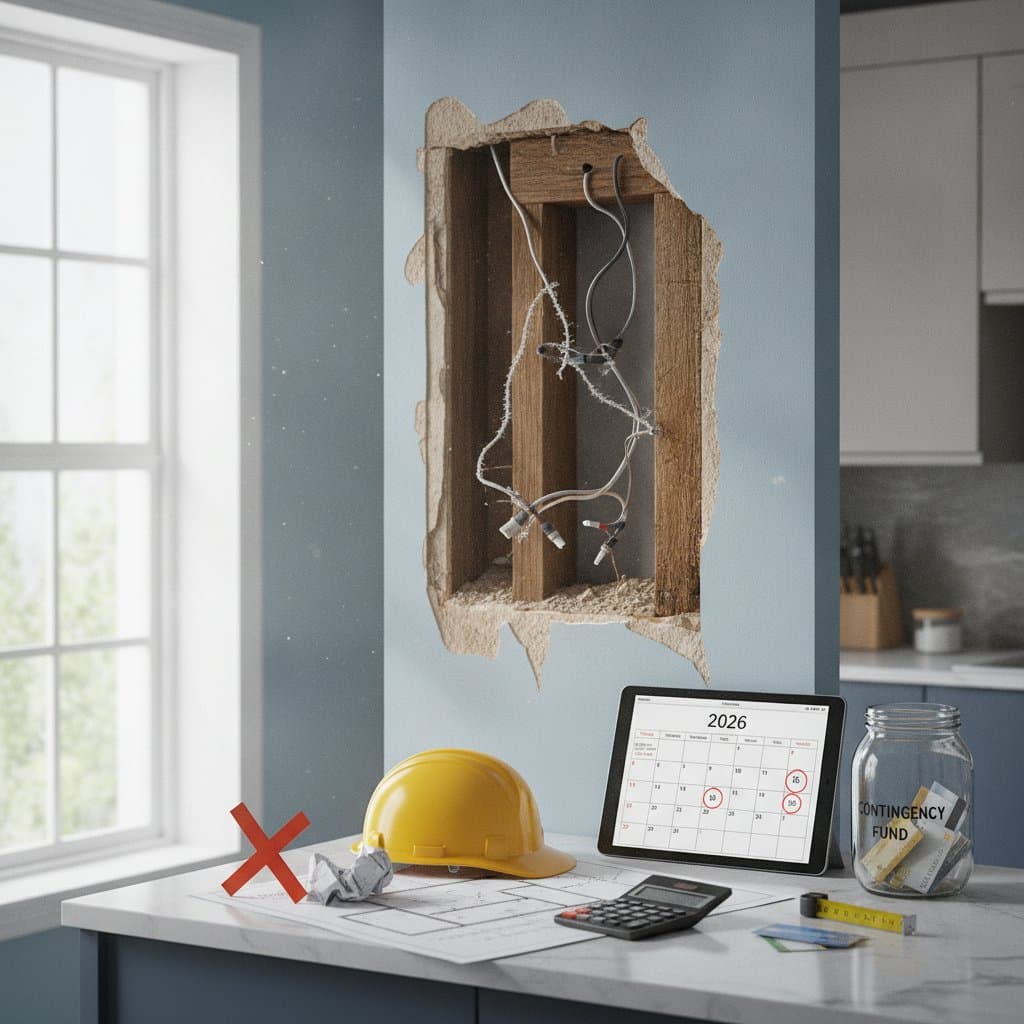
Additional factors include rerouting electrical outlets at 200 to 500 pounds per instance, relocating radiators for 300 to 600 pounds, or repairing ceilings and floors at 400 to 800 pounds. To prepare adequately, allocate 20 percent of the estimated total as a contingency for unforeseen issues.
Overestimating the budget provides reassurance and flexibility, avoiding the stress of insufficient funds during execution.
Tips for Keeping Costs Sensible
Thorough preparation and clear dialogue with contractors help control expenses and reduce complications.
- Obtain multiple quotes. Variations in pricing can exceed 20 percent; request detailed breakdowns covering debris disposal, structural assessments, and surface finishing.
- Budget for professional services. For load-bearing walls, include structural engineer fees of 500 to 1,000 pounds and building control inspections at 200 to 400 pounds.
- Anticipate redecoration needs. Allocate 300 to 700 pounds for repainting walls, ceilings, and floors affected by the work.
- Coordinate with other renovations. Align wall removal with kitchen updates or flooring installations to consolidate trade visits and minimize repeated disruption costs.
- Maintain ongoing communication. Provide contractors with precise specifications upfront; mid-project alterations, such as concealing a beam, may add 500 to 1,000 pounds.
One homeowner incurred additional expenses by opting to encase a visible beam during construction, resulting in enhanced aesthetics but a notable increase in plastering fees.
Living with Your New Space
After completion, occupants observe shifts in daily home usage. A former separate dining area may evolve into a central family zone, while the kitchen gains prominence suitable for design publications.
Several enhancements ensure the layout functions optimally:
- Lighting: Implement multi-layered systems, such as pendant fixtures over dining areas and ambient lamps for relaxed evenings, to illuminate the expanded volume effectively.
- Acoustics: In open designs, sound propagates easily; incorporate area rugs, heavy curtains, and soft furnishings to absorb echoes and maintain comfortable noise levels.
- Storage: The absence of walls reduces built-in concealment options; install custom shelving units or freestanding cabinets to organize items efficiently.
- Temperature control: Larger spaces may experience drafts; evaluate insulation quality and install zoned heating systems for consistent comfort.
Open layouts offer versatility, enabling furniture rearrangements for social events or expansive setups for leisure activities without physical barriers. This freedom enhances livability, though provisions for privacy, such as screens during simultaneous activities, prove beneficial.
Preparing for Wall Removal
To initiate the project, conduct a self-assessment regarding tolerance for construction disturbances, including noise, dust, and material selections. Begin by soliciting quotes from licensed builders, engaging a structural engineer for evaluations, and establishing a contingency fund equivalent to 15 to 25 percent of the total estimate.
The undertaking lacks glamour but yields profound improvements. Homeowners gain sociable, adaptable environments that align with contemporary lifestyles rather than outdated divisions.
Upon receiving compliments from visitors on the refreshed open-plan area, the temporary inconveniences fade from memory. Individuals may reflect on the effort invested, recognizing the value in the resulting connected, luminous domain.
For those contemplating the wall between kitchen and living spaces, explore options by consulting local experts. Visualize daily routines in the altered configuration, weigh the financial and logistical commitments, and proceed if the advantages align with personal goals. A reliable cleaning tool remains essential for ongoing maintenance.