Transform Your Pantry: 2026 Storage Trends
A well-organized pantry transforms daily kitchen routines into efficient experiences. Homeowners increasingly seek designs that combine functionality with aesthetic appeal. The 2026 trends emphasize spacious layouts, innovative storage solutions, and sustainable practices to create inviting spaces.
The Rise of the Walk-In Pantry
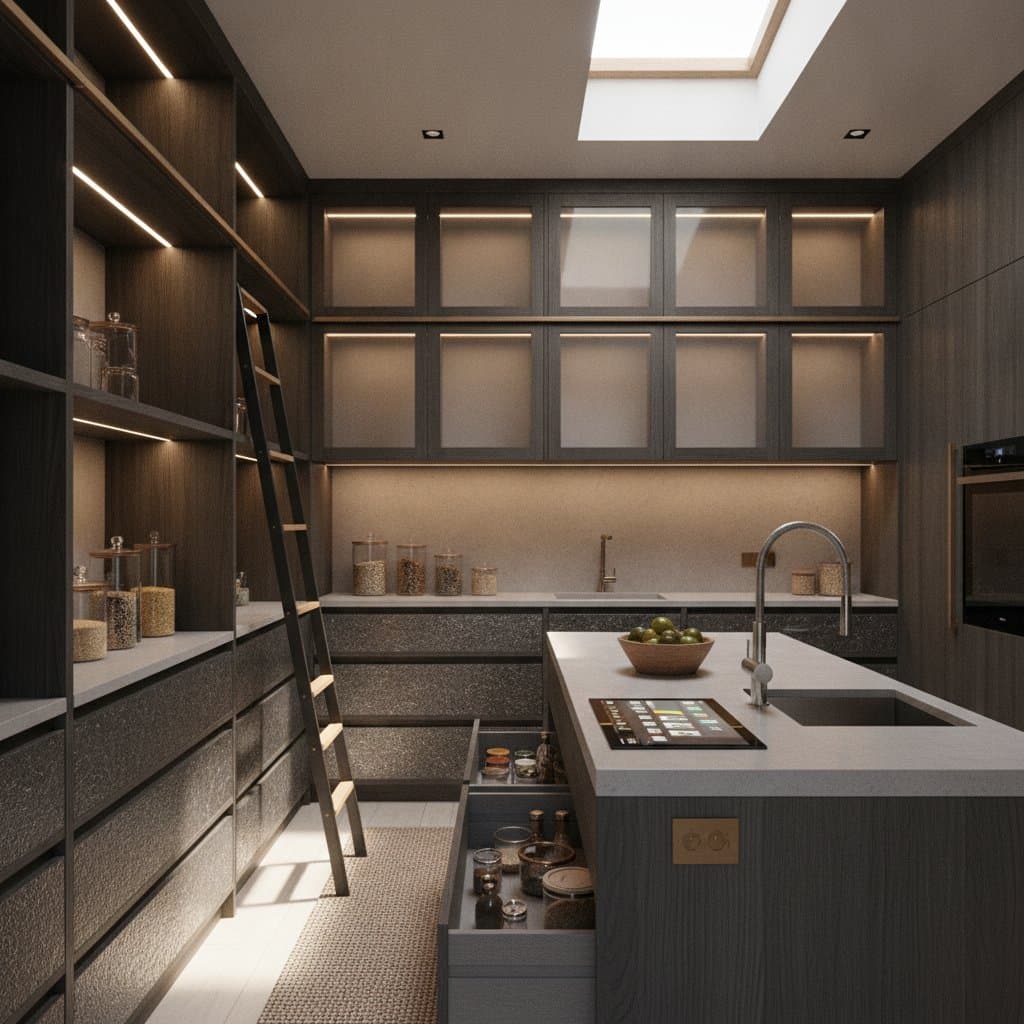
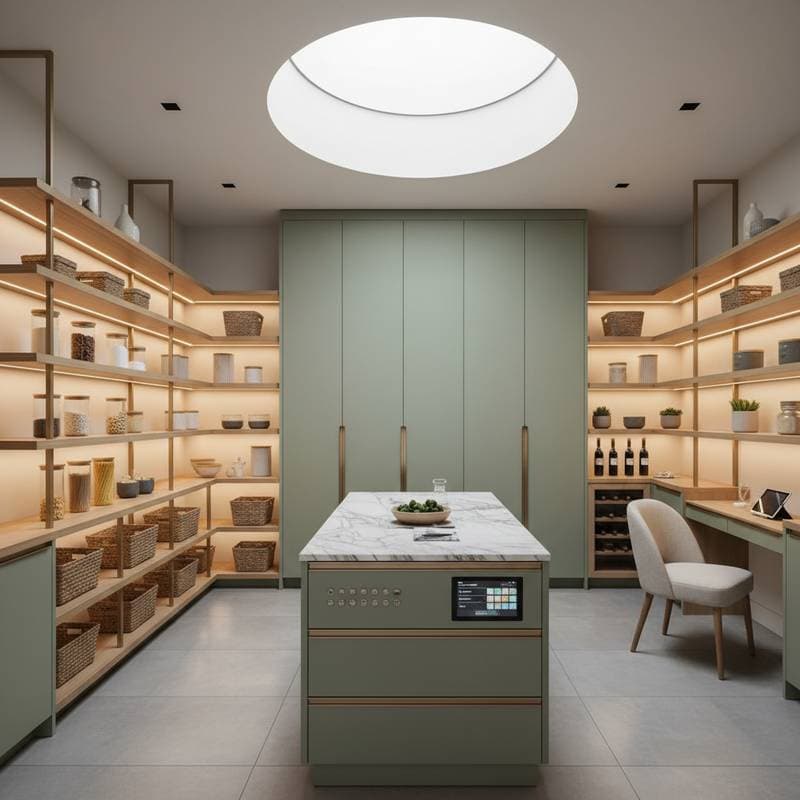
Walk-in pantries offer a luxurious expansion beyond traditional cupboards. These designs maximize floor space through strategic layouts, such as U-shaped shelving or corner carousels that access hard-to-reach areas. Adjustable systems, including track-mounted shelves or pegboard panels, allow reconfiguration for items like baking sheets or bulk grains.
Visibility remains key to efficiency. Install clear acrylic bins for dry goods and under-shelf LED strips for illumination. In smaller homes, pocket doors or bifold panels conserve space while maintaining a modern profile. These elements reduce waste by enabling quick inventory checks and precise shopping.
Innovative Hidden Storage Solutions
Hidden storage elevates pantry organization by concealing essentials without sacrificing accessibility. Pull-out spice racks with tiered dividers organize small bottles efficiently, while lazy Susan turntables in corners retrieve items effortlessly. Disguised drawers beneath base cabinets accommodate oils and vinegars, preventing clutter on main shelves.
This approach suits various pantry sizes. In compact setups, vertical pull-out towers between studs hold canned goods securely. Balance concealment with usability to avoid search times; label compartments clearly and limit layers to three deep. Such systems foster a streamlined appearance and intuitive navigation.
Sustainable Materials and Practices
Sustainability integrates seamlessly into pantry design through eco-friendly choices. Opt for bamboo shelving or reclaimed wood panels that provide durability and natural texture. Integrated compost bins within cabinet doors facilitate waste management, while refill stations for grains encourage zero-waste habits.
Mindful consumption drives these trends. Reusable glass containers with airtight lids store bulk purchases, extending freshness and reducing packaging. Low-voltage LED lighting conserves energy and highlights contents softly. These features create warm, responsible spaces that align with environmental goals.
Color, Texture, and Calming Aesthetics
Pantries now reflect kitchen aesthetics with thoughtful color and texture selections. Neutral palettes in soft grays or warm beiges promote serenity, complemented by matte finishes on handles and shelves. Bold accents, such as emerald green walls or navy cabinetry, add personality to enclosed areas.
Layer textures for visual interest. Pair smooth metal bins with rattan baskets for grains or ceramic crocks for utensils. This combination enhances warmth and functionality. Experiment in small spaces, using peel-and-stick tiles for backsplashes or fabric liners in drawers to introduce pattern without commitment.
Budgeting for Pantry Upgrades
Pantry renovations range from modest updates to comprehensive overhauls. Basic improvements, like installing wire grid shelves and basic lighting, cost under $500 and yield immediate results. Custom builds with integrated appliances may exceed $5,000, depending on materials and labor.
Prioritize foundational elements. Secure heavy-duty brackets for shelves supporting up to 100 pounds per unit, and allocate funds for durable hardware. Consult professionals for structural assessments in older homes. Modular kits from retailers offer affordable customization, ensuring value without excess expenditure.
Integrating Technology
Technology enhances pantry utility through subtle integrations. Motion-sensor lights activate upon door opening, providing hands-free convenience during meal prep. Digital inventory apps, paired with barcode scanners, track stock levels and generate shopping alerts via smartphone.
Climate-controlled drawers maintain optimal conditions for produce or spices, with adjustable vents regulating humidity. Compact cooling units preserve perishables longer, minimizing spoilage. These tools suit tech-savvy households, though simple checklists suffice for basic needs.
Adapting the Pantry to Daily Routines
A functional pantry aligns with household rhythms. Designate zones for frequent items, such as a low shelf for children's snacks or a dedicated rack for baking supplies. Label shelves with vinyl tags for quick identification, accommodating family members of all ages.
Regular maintenance sustains organization. Rotate stock to use oldest items first and declutter quarterly. These habits ensure the space evolves with changing needs, from seasonal entertaining to daily meal planning.
Maximizing Benefits from Your Upgraded Pantry
Implement these trends to streamline kitchen workflows and enhance enjoyment. The result is reduced stress, less waste, and more time for creative cooking. A thoughtfully designed pantry serves as a reliable foundation for culinary success.