
Prep Kitchen Essentials: 2026 Remodeling Checklist
The National Kitchen and Bath Association's latest homeowner survey indicates that 41 percent of renovation budgets now allocate space for a dedicated prep or secondary kitchen. Home values continue to rise, and evolving cooking habits fuel this demand. However, many projects surpass estimates by up to 28 percent. A well-planned prep kitchen delivers efficiency and boosts resale appeal, provided financial discipline and expert input guide the process.
1. Define the Core Purpose of Your Prep Kitchen
Start by outlining the specific functions the space will serve before choosing any fixtures or surfaces. A prep kitchen extends the main kitchen's capabilities, handling tasks such as chopping vegetables, washing dishes, or storing small appliances. Projects without a defined goal often lead to unnecessary expenses.
Laura Benton, a certified kitchen designer at CraftSpace Design Group, emphasizes functionality: "Clients often start with aesthetics, but the financial success of a prep kitchen depends on understanding workflow and utility. Every dollar should deliver operational value." Assess whether the area supports catering events, daily family meals, or overflow storage. This clarity shapes the layout and directs spending toward essential features.
2. Establish a Solid Budget Structure
Remodeling Magazine's Cost vs. Value report shows that midrange secondary kitchen remodels range from $24,000 to $38,000, with upscale versions surpassing $60,000. Build your budget with detailed line items for cabinetry, plumbing, flooring, ventilation, and labor costs. Include a 10 percent buffer for surprises like electrical modifications or undetected moisture issues.
Marcus Leung, a home renovation consultant at Pacific Property Works with experience on over 300 projects, highlights common pitfalls: "The biggest mistake is underestimating soft costs like permits and design fees. They can add 12 to 15 percent to total spending." Monitor these elements from the outset to curb expansion of the project scope.
3. Focus on Practical Features Before Aesthetics
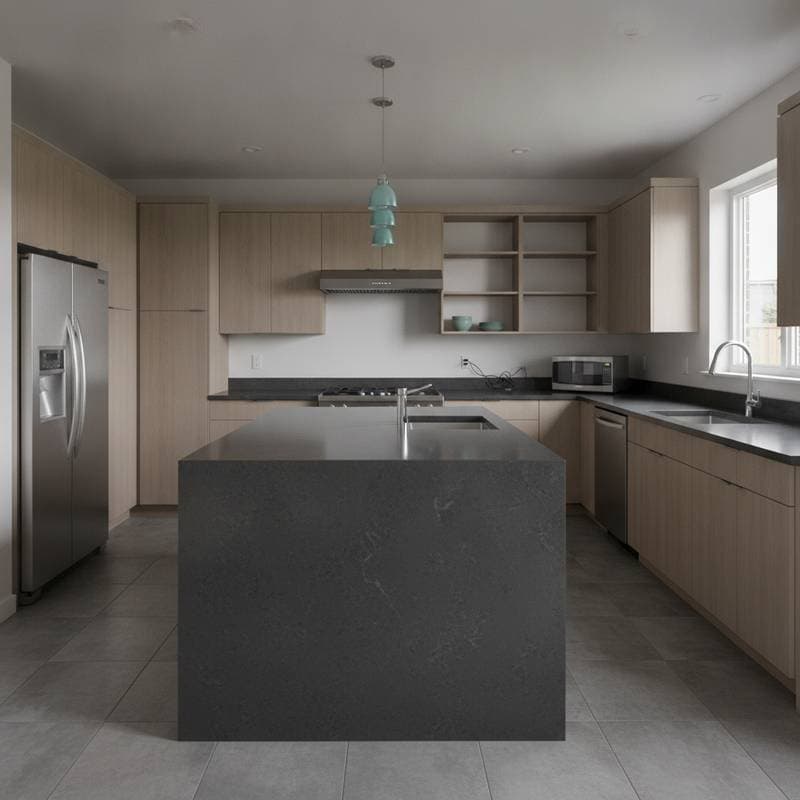
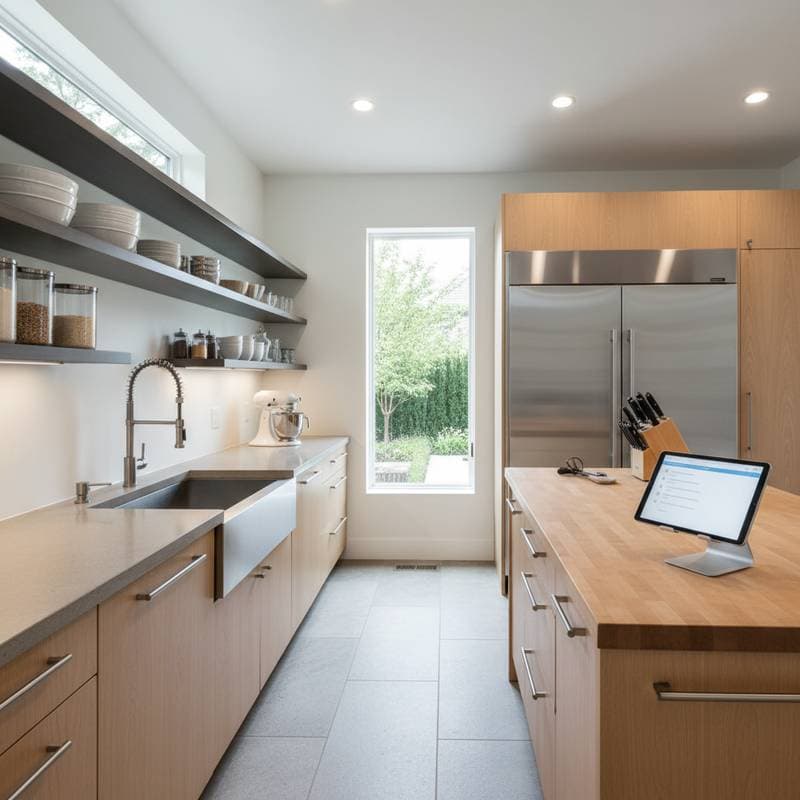
Select materials that prioritize durability and ease of maintenance over visual flair. Opt for stainless steel countertops, quartz surfaces, and commercial-style faucets that endure frequent use and simplify cleaning. Incorporate open shelving or robust laminate cabinets to cut installation expenses by as much as 20 percent versus custom woodworking.
Integrate energy-saving options such as undercounter refrigerators, induction cooktops, and water-efficient faucets. These choices often recover their initial cost through reduced energy and water bills within three to five years. For flooring, choose options resistant to moisture with slip-resistant properties to align with safety guidelines from remodeling professionals.
4. Design for Efficient Layout and Storage
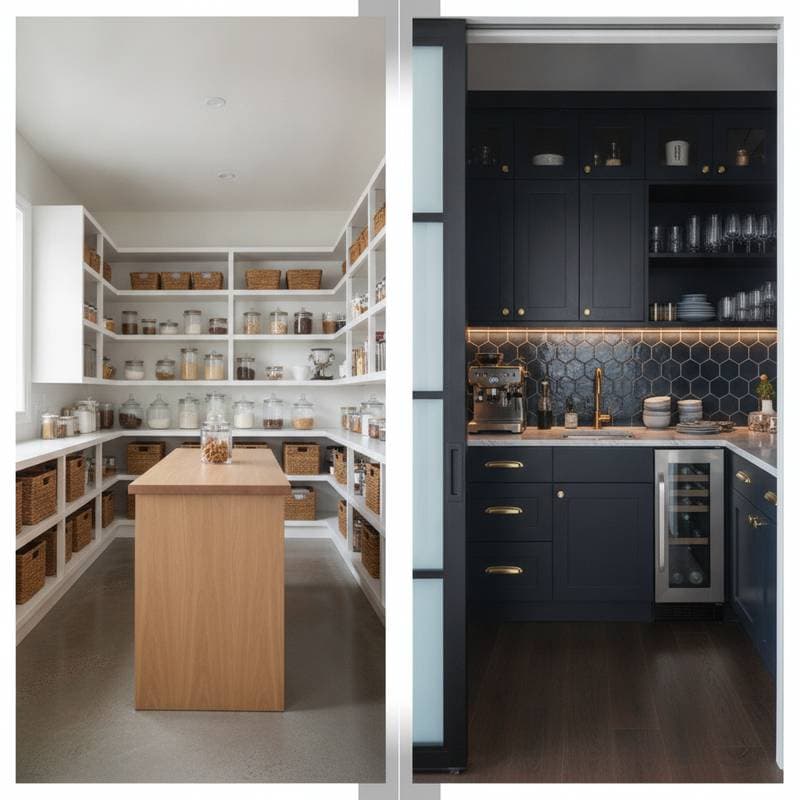
Tailor the prep kitchen layout to streamline operations rather than replicate the primary kitchen. Implement a zoned approach that divides areas for cleaning, cooking, and storage. Maintain a minimum of 42 inches between counters to allow comfortable navigation.
Wall-mounted cabinets preserve counter space for bulky appliances or serving platters. Ellen Ruiz, project manager at Metro Build Group, recommends a streamlined process: "Think of the prep kitchen as a production zone. Every step from storage to plating should take no more than two or three movements. That efficiency saves both time and labor costs." Sketch these pathways prior to building to prevent costly adjustments during construction.
5. Incorporate Expert Guidance Throughout
Professional involvement ensures even basic prep kitchens meet code and perform optimally. Engage a licensed contractor experienced in mechanical systems and airflow needs. Consult a certified kitchen planner who balances design appeal with budget constraints.
Obtain detailed written proposals and confirm insurance details prior to agreements. For projects spanning multiple areas, use digital tools like CoConstruct or BuildBook to monitor budgets and timelines. These systems foster clear communication among designers, builders, and homeowners.
Safeguard Long-Term Value Through Maintenance
After completion, treat the prep kitchen with the care of a professional workspace. Conduct regular checks on plumbing and ventilation to catch issues early. Promptly replace seals and filters to prevent leaks or mold growth.
Document all upkeep in a dedicated log, including repair dates and appliance tune-ups. This approach sustains daily usability and preserves property worth. Homebuyers prize versatile secondary kitchens, and strategic planning yields returns exceeding 60 percent. View the space as a dual-purpose investment in functionality and finances.