
Why Mudroom-Kitchen Flow Transforms Home Remodeling
In the past, mudrooms served as basic utility areas for storing boots, leashes, and misplaced items. Kitchens maintained a separate, pristine domain, often isolated from the entryway's disorder. Today, designers integrate these spaces to create a seamless transition. This approach enhances practicality and elevates daily living, drawing from both aspirational ideals and real-world experiences.
Consider entering the home after a rainy outing, carrying bags, an umbrella, and a child with unexpected dirt. A dedicated mudroom zone allows immediate unloading and cleanup before reaching the kitchen. This layout minimizes disruption and streamlines routines.
Benefits of Integrated Spaces
Open-plan designs have long dominated trends, with walls removed to foster connectivity. However, fully open layouts can overwhelm with scents, sounds, and clutter. The mudroom-kitchen integration provides balance, linking utility and social areas while preserving tranquility.
This connection aligns with family dynamics. Groceries enter directly, coats hang nearby, and meals prepare efficiently. Such organization fosters a sense of harmony in routine tasks.
Ideal Design Elements
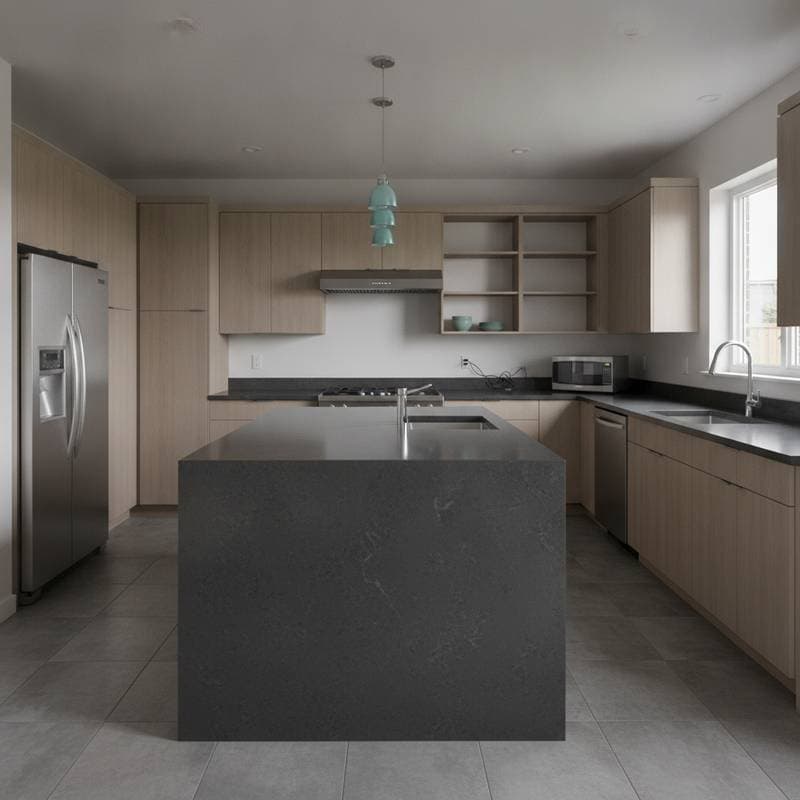
An optimal mudroom-kitchen setup features durable limestone flooring and custom cabinetry that extends seamlessly between zones. Include built-in storage for pet supplies and recycling, plus a deep sink beneath a window for easy cleaning. Select cabinet colors like soft neutrals for cohesion.
Layer lighting with pendants over benches and ambient fixtures in the kitchen. Brass accents and organized spice storage add polish. These elements turn mundane chores into refined experiences.
Practical Implementation
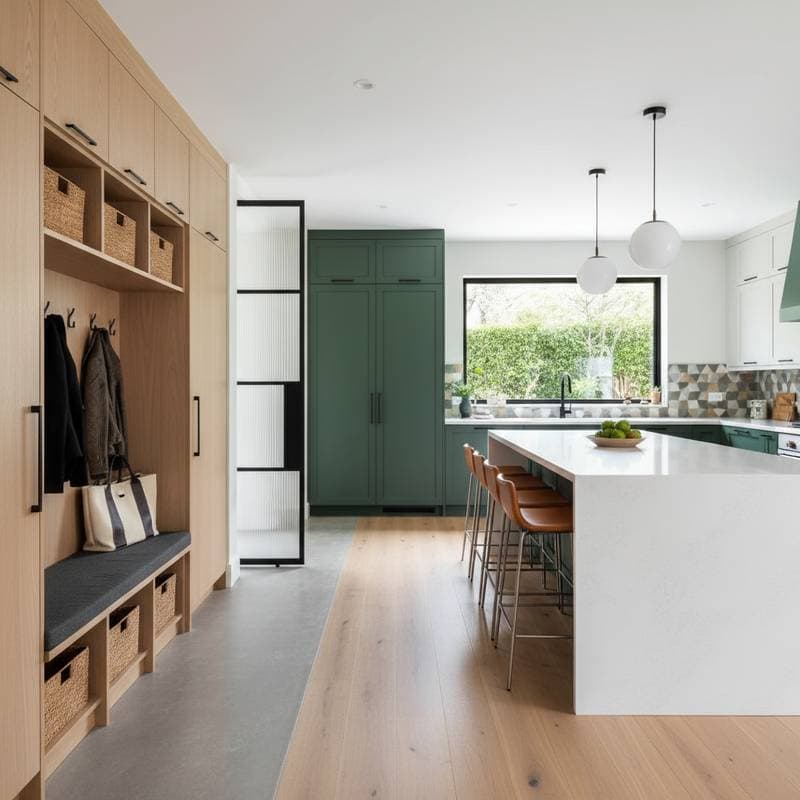
Realistic remodels account for budgets and existing structures. Start with a simple bench, under-bench baskets, and coat rails in a repurposed area. Open a direct doorway to the kitchen to improve access.
This adjustment enables direct grocery placement on counters and contains boot dirt. Tiles in the mudroom handle paw prints, transitioning smoothly to kitchen surfaces.
Core Advantages
This layout addresses multiple challenges through thoughtful design.
-
Enhanced Movement. Entry to kitchen occurs without navigating obstacles, reducing clutter spread.
-
Daily Efficiency. Children store bags and coats en route to snacks, simplifying supervision.
-
Improved Hygiene. The mudroom buffers dirt, keeping kitchen surfaces cleaner and reducing cleaning time.
-
Visual Unity. Matching materials create a cohesive aesthetic that soothes the eye.
Adapting to Various Styles
This concept suits diverse aesthetics. In rural settings, incorporate wood paneling and open shelving for a warm feel. Urban environments favor sleek cabinets, concealed storage, and resilient tiles.
Prioritize durable options like dirt-resistant flooring and wipeable finishes. Porcelain tiles can replicate natural stone, while high-quality laminates offer luxury on a budget.
Maximize natural light with mudroom windows or glass-paneled doors. These features prevent the space from feeling confined.
Optimizing Storage Solutions
Effective storage elevates functionality. Design tall cabinets for cleaning supplies, accessible yet hidden. Use bench-integrated baskets for accessories and toys.
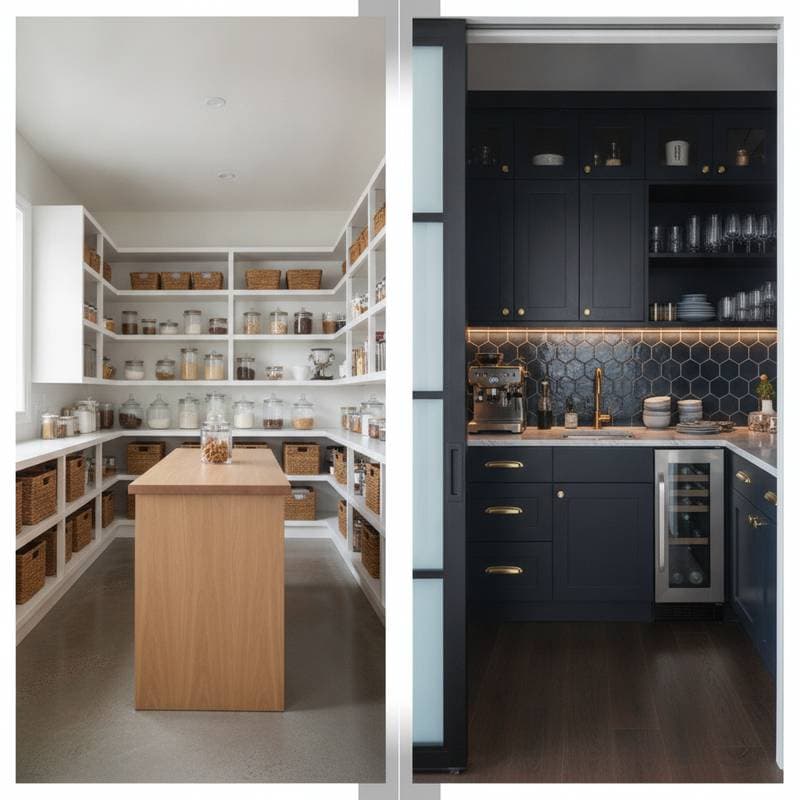
Incorporate pet-friendly elements, such as lead drawers and collar hooks. Overhead shelves accommodate seasonal goods or extra pantry items.
These solutions ensure accessibility and maintain tidiness, even during entertaining.
The Value of Functional Design
Practical spaces provide emotional benefits beyond appearance. They accommodate life's unpredictability, promoting calm over chaos.
After implementing this flow, mornings proceed with less haste. Designated areas prevent mishaps, and the kitchen remains a serene hub. Such designs enhance overall well-being.
Tailoring to Home Types
Assess usage patterns to customize the layout. Identify primary entry points and kitchen roles to guide modifications.
Compact Residences. Install hooks and shoe storage adjacent to the kitchen for subtle integration. Select blending materials to avoid a disjointed look.
Spacious Properties. Add utility sinks, laundry nooks, or additional appliances. Choose robust flooring like vinyl or sealed stone for high-traffic demands.
Historic Homes. Preserve original features with reclaimed doors, blending tradition and modernity.
Creating Distinct Zones
The design inherently divides areas, with the mudroom serving as an entry buffer. This setup contains external elements and eases mental transitions.
Define zones using varied textures or flooring. A deeper tone in the mudroom contrasts with brighter kitchen elements, guiding flow intuitively.
Experiencing the Transformation
Post-remodel, appreciate details like sunlight on floors or effortless grocery handling. The space supports active living with minimal upkeep.
Guests often note the thoughtful organization, signaling effective design. Contained clutter allows focus on enjoyment rather than constant maintenance.
Implementing Your Remodel
Evaluate movement patterns in your home before changes. Prioritize connections that align utility with living areas. This enduring strategy boosts comfort and value for years ahead.